

SPACE & LIGHT · CALM SPACES
How to Reduce Noise at Home: Practical Ideas for Quieter Rooms
Understand the difference between room echo, household rattles and sound travelling through a building, then choose safe, practical improvements.
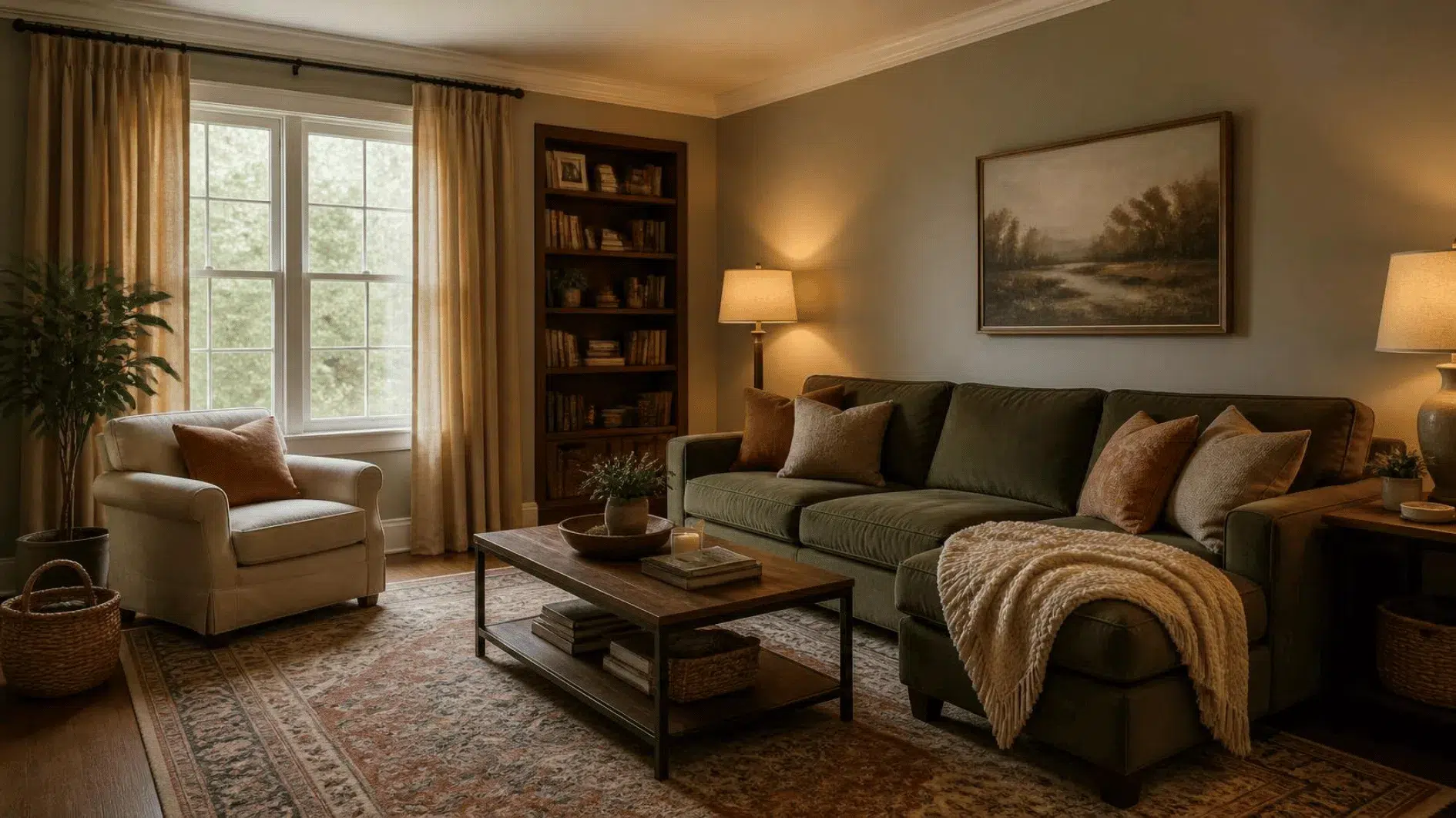
Reducing noise at home begins by working out what you are hearing. Echoing voices inside a bare room, a washing machine rattle, traffic entering through a window and footsteps from upstairs are not the same acoustic problem. A treatment useful for one may do little for another.
Many sensible first steps involve observation, maintenance or existing furnishings rather than a large soundproofing project. Building alterations and specialist acoustic measures can have a place, but they need realistic expectations and proper safety considerations.
This guide explains the main noise types, what ordinary textiles can and cannot do, and when to seek help. It forms part of our calm home ideas guide, which also explores practical layout and lighting choices.
What Does It Mean to Reduce Noise at Home?
Reducing noise at home can mean several different things: making a room less echoey, avoiding avoidable rattles, reducing sound passing through an opening, or finding practical ways to live with sounds outside your control. These problems have different causes and need different responses.
The aim is not absolute silence. Conversation, play, household appliances and nearby activity are ordinary parts of many homes. Instead, identify a specific sound that creates difficulty and consider whether a safe, proportionate improvement is possible.
Our calm home ideas guide looks at visual busyness, layout and lighting as well as sound. Here we focus on sound sources, routes through the building and practical reduction strategies.
Room Echo and Soundproofing Are Different Problems
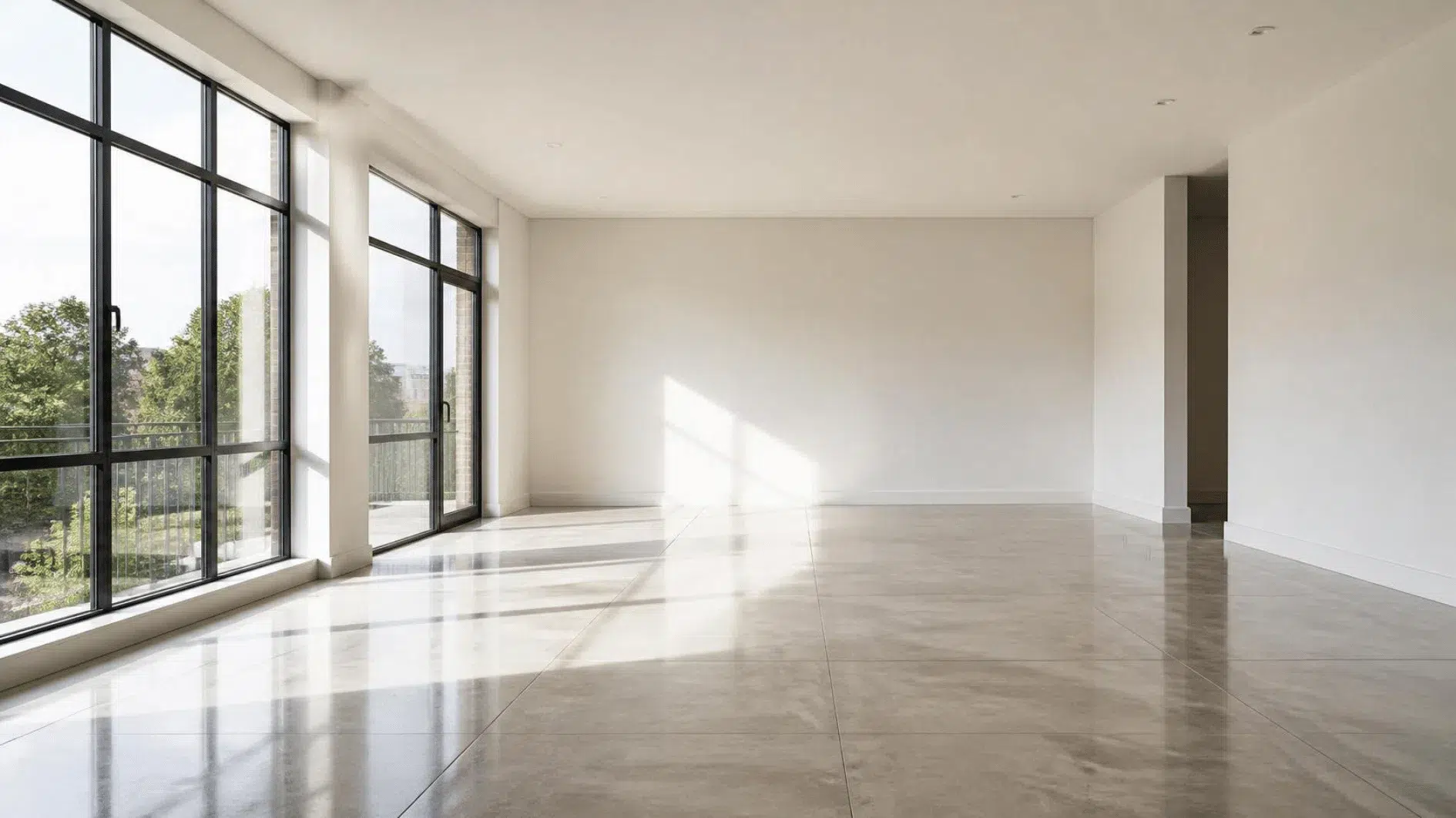
Echo and reverberation are reflections of sound inside a room. Hard floors, large bare walls and uncovered windows can contribute to a space sounding lively or hollow. Soft furnishings may absorb part of those reflections.
Sound transmission is noise moving between spaces, such as traffic through windows, speech through a partition or footsteps from above. Soundproofing addresses transmission and usually depends on construction, gaps, connections and suitable materials.
A new rug may make your own room less echoey, but it is not a reliable way to block a neighbour’s television through a wall. Knowing which issue you are addressing helps avoid ineffective purchases.
Identify the Noise Source Before Buying Anything
Listen for where the sound seems to originate, when it occurs and how it changes as you move between rooms. Is it a vibrating appliance, the reverberation of your own voice, a corridor door or an external road?
If safe, compare the sound with normal household equipment on and off. Keep notes about patterns when that helps identify a fault or explain an issue to a landlord or building professional.
Do not dismantle electrical equipment, investigate unsafe structural spaces or confront other people in an escalating manner to trace a sound. Seek qualified help when its source is uncertain.
Start With a Practical Noise Assessment
- Choose one repeated sound that you want to address.
- Note whether it starts inside the room, elsewhere in the building or outdoors.
- Decide whether the issue is echo, a mechanical rattle or sound passing between spaces.
- Check for a safe, obvious source such as a loose fitting or poorly placed object.
- Consider any tenancy, building or maintenance responsibilities.
- Try one reversible improvement and compare the result during normal use.
The observation need not be scientific or complicated. A brief record can help distinguish a genuine improvement from a product’s marketing promise.
If noise affects health or safety significantly, seek appropriate advice rather than relying only on general decorating measures.
How Soft Furnishings Can Change Room Acoustics

Curtains, upholstered furniture and rugs can influence reflections inside a room, especially where the space otherwise contains many bare hard surfaces. Their effect depends on area, thickness, construction, placement and sound frequency.
A thin curtain will not behave like specialist acoustic treatment, and adding one soft object to a large room may not create a noticeable change. Start with textiles you already own when their placement is useful.
Do not obstruct heaters, ventilation, fire equipment or clear walking routes with fabrics. Room comfort and safety remain more important than chasing a quieter sound.
Curtains: Manage Reflections and Window Comfort
Curtains may soften some reflections and make a window area feel less acoustically exposed within a room. Heavier, fuller fabrics can behave differently from thin decorative panels, but their effectiveness varies.
Ordinary curtains are not a substitute for correctly designed acoustic glazing or construction. They cannot be expected to stop road traffic or loud neighbour noise reaching a room.
Check rail capacity, fixings, proximity to heat sources, condensation and cleaning needs. For a rented home, obtain permission before fitting new hardware where required.
Rugs on Hard Floors: Useful but Limited
A suitable rug may reduce some reflected sound and the noise of direct movement on a hard floor. The result varies with thickness, underlay, floor construction and how the room is used.
Select a rug for practical comfort and safe placement, not a promise that it will soundproof the entire floor. An appropriate underlay may support stability and can affect the sound of some movements.
Our wool home decor guide covers textile construction, while jute rugs discusses underlay compatibility, moisture and floor safety.
Use Upholstered Seating Without Overfilling the Room
A sofa, fabric armchair or other substantial upholstered object may change the room’s acoustic character compared with a collection of hard reflective surfaces. This does not mean you should purchase furniture just to absorb sound.
Assess furniture layout, comfortable seating and clear access first. A large chair in the wrong location may make circulation harder without solving the original noise problem.
A practical room arrangement should continue to support daily activities even after you have addressed unwanted reverberation.
Do Bookshelves and Wall Decor Reduce Noise?
A filled bookcase or uneven surface can change some sound reflections, but results depend on the room and the materials involved. Decorative objects should not be treated as tested acoustic products.
A bookcase is not an adequate replacement for a properly designed sound-insulating wall. Its usefulness for sound may be incidental to its everyday storage function.
Secure tall furniture according to its manufacturer instructions and avoid attaching heavy objects unsafely to partitions. Do not overload shelves in pursuit of an acoustic effect.
When Acoustic Panels May Be Useful
Acoustic panels designed to absorb sound can help with reverberation in a room when selected and installed appropriately. The relevant information includes the product’s tested performance, covered area, thickness and installation method.
A panel advertised as soundproof may in fact only absorb reflections; ask for specifications that relate to your particular goal. Reducing sound transmission through a separating wall is a different technical problem.
Consider fire-safety classification, suitable fixings and whether the product meets the requirements of the setting. Consult an acoustics professional when the project involves significant performance claims or building work.
Check Doors for Rattles and Unwanted Gaps
A loose handle, misaligned latch or rattling panel can make avoidable noise. Straightforward maintenance by someone competent to do the work may help without changing the room’s decoration.
Noise can also pass around door edges, but seals and thresholds need to be appropriate for the specific door. Do not alter certified fire doors, their closers, required undercuts or ventilation paths without professional guidance.
For shared buildings and rented homes, speak with the landlord, managing agent or building professional before changing communal or fire-safety-critical doors.
Windows and External Noise
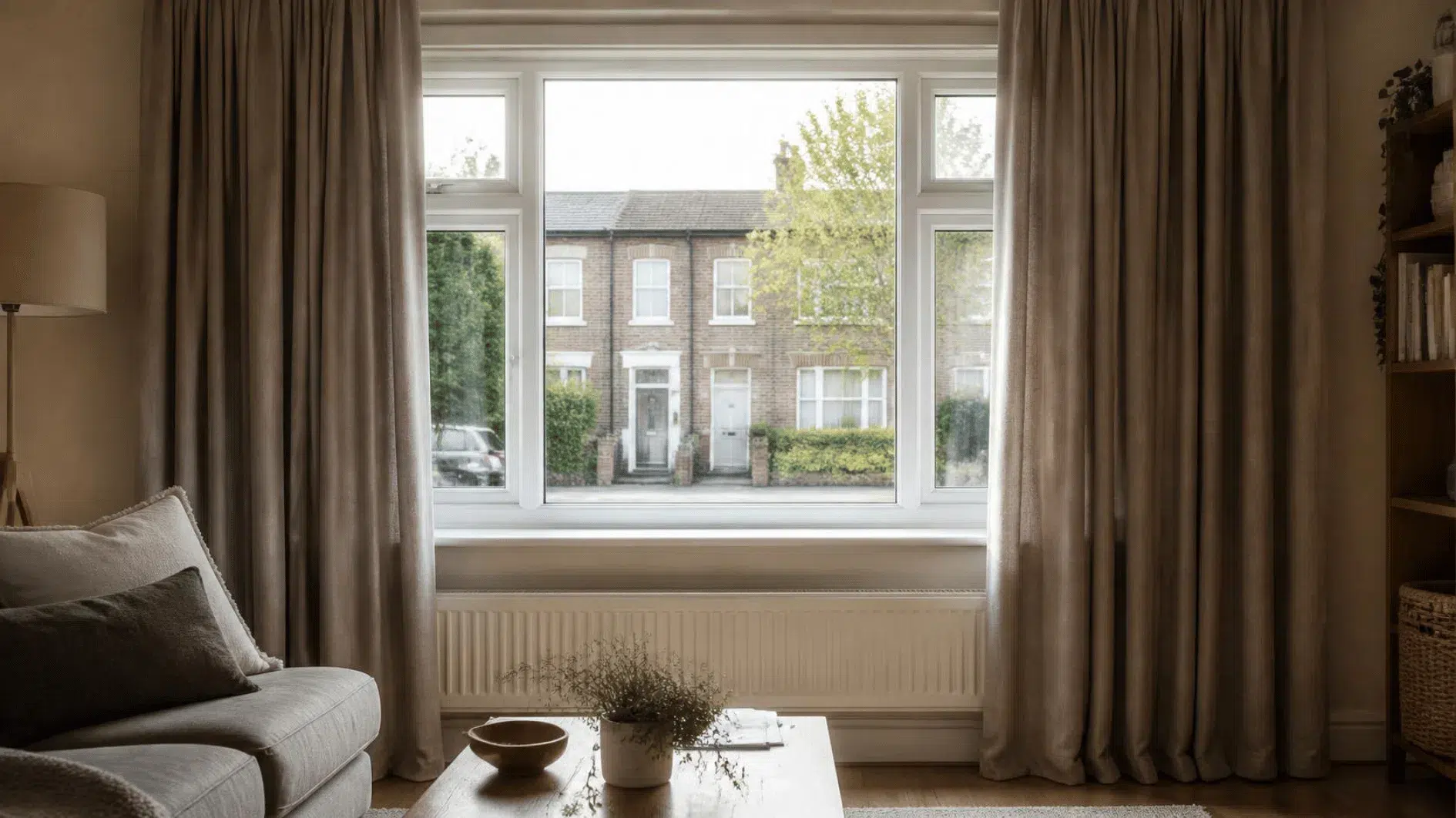
Road traffic, voices and other outside sounds may enter around glazing, frames or openings. The contribution of gaps and glass depends on the window construction and frequency of the sound.
Normal window maintenance and correctly designed improvements may help, but decorative curtains alone cannot promise sound insulation. Secondary glazing or replacement components require appropriate technical assessment.
Preserve required ventilation, safe opening and escape provisions. Check planning, conservation or landlord permissions where relevant before undertaking alterations.
Never Block Vents to Make a Room Quieter
Ventilation openings can allow some sound to pass between spaces, but they may also be essential to air quality, moisture control or safe operation of combustion appliances.
Do not seal or cover vents with foam, fabric or furniture in pursuit of silence. Ask a qualified professional about compliant acoustic ventilation solutions if this is a genuine issue.
A room that sounds quieter but has inadequate ventilation is not a successful home improvement.
Noise Through Walls and Shared Partitions
Speech, television and other sounds can travel through shared partitions and via adjoining building elements. Reducing this transmission may require assessment of the whole construction rather than attaching fabric or light foam to one surface.
Gaps around penetrations, structural connections and the type of wall can matter. Do not attempt unapproved sealing around electrical installations, heating systems or fire-rated assemblies.
If the issue is persistent, ask the landlord, building manager or a suitably qualified acoustics professional for advice about the source and lawful, safe improvements.
Footsteps and Noise From Rooms Above
Impact sounds such as footsteps or dropped objects behave differently from airborne voices. They can travel through the structure of a building, and ordinary room curtains are unlikely to address the main transmission path.
Soft floor coverings and suitable underlays in the source room may affect certain impact sounds, but results depend on building construction and proper installation.
Where sound comes from another dwelling, discuss options through appropriate building or tenancy channels. Avoid unauthorised work on floors or ceilings and do not assume one product will resolve the problem.
Noise From Furniture, Footsteps and Hard Floors
Within a home, some noise comes from moving chairs, hard shoe soles, dropped objects and equipment vibrating against the floor. Suitable furniture feet, floor protection or other manufacturer-approved accessories may reduce particular rattles or impacts.
Check that any pads or underlays are compatible with the flooring and do not make furniture unstable or create slipping hazards.
A few targeted changes to a repeated source can be more useful than trying to cover every hard surface.
Quiet Noisy Household Appliances Safely
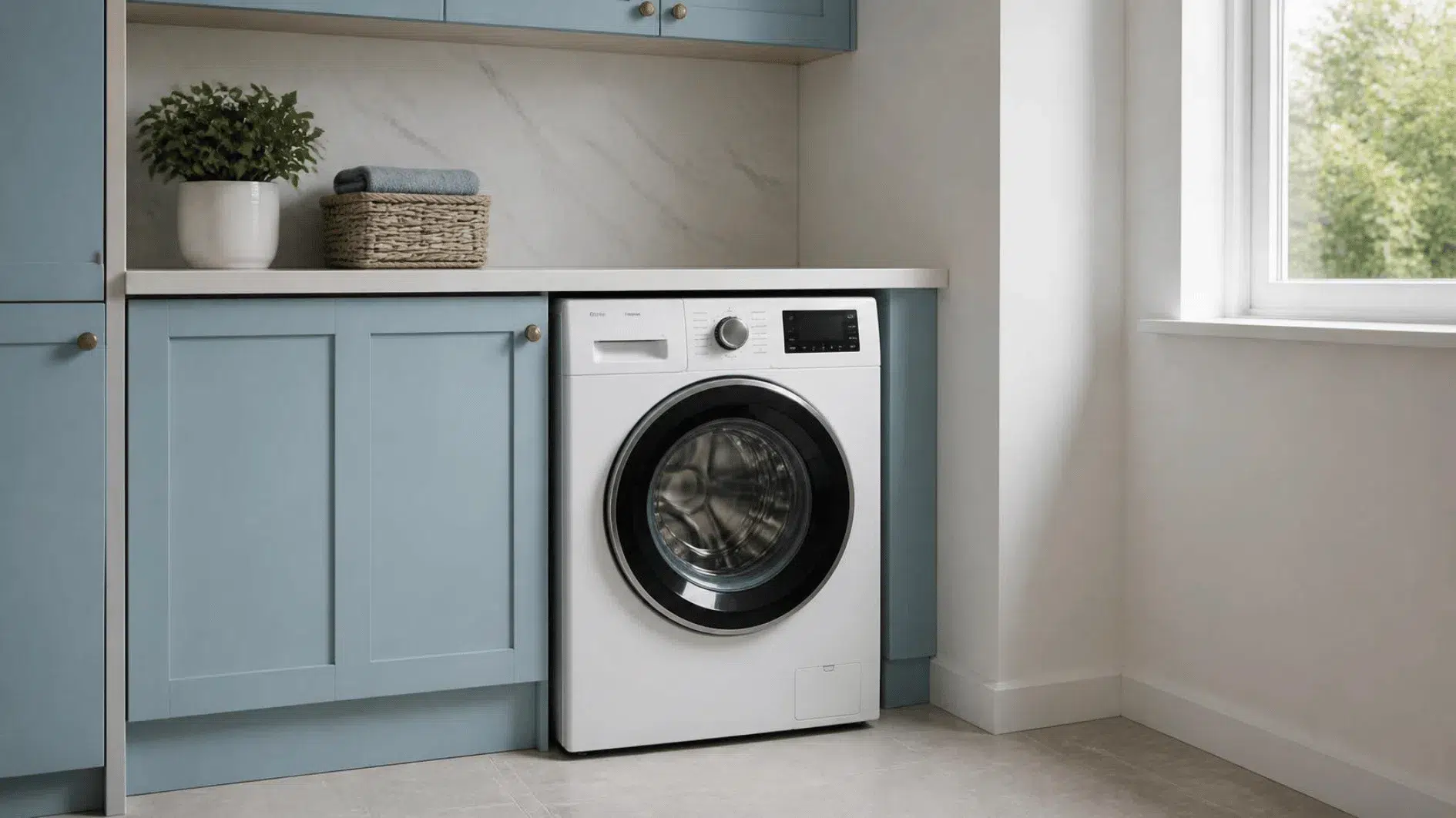
A washing machine, extractor or refrigerator may make expected operating noise, but a new rattle, grinding sound or unusual movement calls for attention. Check the manufacturer’s troubleshooting guidance.
Correct installation, levelling and maintenance may make a difference. Never disable guards, restrict cooling or ventilation, wedge appliances unsafely or undertake electrical repairs beyond your competence.
If the sound suggests a fault or deterioration, stop using the equipment when appropriate and contact a qualified repairer or the manufacturer.
Radiators, Pipes and Household Rattles
Heating and water systems can produce clicks, knocks or other sounds for several reasons. Some are related to normal operation; others may indicate a maintenance problem.
Avoid dismantling boilers, gas equipment, electrical controls or pressurised components to investigate sound. Record the circumstances and ask the responsible professional or landlord for an assessment.
Do not insulate or box in pipes without understanding heat, access, ventilation and safety requirements.
A Quieter Home-Working Space
A working area may be affected by household conversation, external sound or its own acoustics during video calls. Begin with practical options such as relocating a desk, adjusting the call position or choosing an appropriate headset when useful.
Avoid making a workspace too isolated for necessary family care and communication. Good lighting, ergonomics and genuine rest remain important.
If workplace requirements call for a particular acoustic standard, the solution may need professional assessment rather than decorative additions.
Noise Considerations for Bedrooms
Bedrooms may face corridor doors, neighbours, windows or mechanical equipment. Identify which source is most relevant before changing soft furnishings.
Moving a bed or a device may be a reversible first step where the layout allows. Appropriate curtains and existing rugs can alter the room’s character, but their sound-insulating performance must not be overstated.
See our cosy bedroom ideas guide for lighting, comfort and furniture positioning. Persistent sleep difficulties or significant distress should be discussed with an appropriate professional.
Reduce Unwanted Noise in the Living Room
A living room often contains hard surfaces, conversation, media and movement. If the room sounds echoey, review how its existing sofa, curtains and rugs are distributed before adding acoustic materials.
For sound coming from adjacent spaces, locate the transmission path rather than assuming an extra throw or cushion will help. Keep the seating and furniture practical.
Quieter Shared Homes Without Expecting Silence
People use shared spaces differently. Conversation, children’s play and routine tasks are reasonable parts of household life, even though timing and volume may occasionally cause friction.
Discuss practical expectations for calls, media, rest and necessary tasks without pressuring anyone to be silent throughout the day. Where suitable, closing an ordinary internal door or moving an activity may be easier than buying equipment.
Agree on changes respectfully, and prioritise children, care duties and accessibility needs.
Renter-Friendly Noise Reduction Ideas
Renters can often experiment with movable furnishings, appropriate rugs, furniture pads and desk placement without permanent alterations. Check tenancy conditions before fixing panels or altering doors.
Maintenance matters may fall to the landlord or building manager, especially where windows, communal doors, fixed ventilation or building defects are involved.
A reversible improvement should remain safe and should not damage the property or interfere with required systems.
When to Ask an Acoustic or Building Professional
If sound transmission is severe, a renovation is planned or a performance target must be achieved, a qualified acoustics consultant or suitably competent building professional can identify likely sound paths and appropriate measures.
Consider professional help when changes involve separating walls, floors, windows, fire-rated assemblies or essential ventilation. Technical specifications and any applicable building regulations should be checked.
Avoid promises of complete soundproofing without evidence, including from contractors and online sellers. Request a clear scope, proposed method and realistic limitations.
Try Low-Cost Changes Before Purchasing Products
You may be able to correct a rattling item, move a desk, adjust existing furniture or maintain an appliance before purchasing any specialist materials.
Where soft furnishing is useful for your room’s comfort and echo, first consider what is already available. A new rug or heavy curtain may cost more and add upkeep without meaningfully reducing the specific noise.
Buy only once you can explain what kind of sound the item is intended to address and why its performance is credible.
Which Changes Address Which Type of Noise?
| Sound problem | Possible first action | Important limitation |
|---|---|---|
| Room sounds hollow | Review existing upholstery, curtains and suitable rugs | May reduce reflections, not sound through walls |
| Rattling door hardware | Arrange appropriate maintenance | Do not alter fire doors without approval |
| Washing machine vibration | Check levelling and manufacturer troubleshooting | Do not bypass safety or ventilation |
| Traffic at a window | Assess window condition and suitable glazing options | Curtains alone are not guaranteed insulation |
| Footsteps from above | Identify impact transmission and discuss building options | Structural paths require proper assessment |
| Noise around a vent | Seek compliant professional advice | Never block required ventilation |
| Desk affected by household activity | Reposition desk or use suitable headset | Needs may involve shared-household agreements |
The best choice depends on the source, the room, safety requirements and the available budget. No single treatment addresses every type of sound.
Common Noise Reduction Mistakes
- Confusing echo control with soundproofing. Absorbing reflections does not necessarily block outside noise.
- Buying untested acoustic foam. Check evidence about what a product actually does.
- Blocking ventilation. This may create serious safety and air-quality risks.
- Altering a fire door. Leave certified safety features to appropriate professionals.
- Overloading curtains or fixings. Select secure, suitable hardware.
- Ignoring appliance faults. Investigate unusual noises using correct guidance.
- Creating a rug trip hazard. Choose compatible grip and safe placement.
- Expecting total silence. Aim at specific controllable problems.
A Practical Reduce Noise at Home Checklist
- Identify the particular sound you want to reduce.
- Distinguish reflections inside the room from sound transmission.
- Check simple maintenance issues and vibrating objects.
- Keep circulation, electrical safety and ventilation in view.
- Assess whether existing textiles can help with echo.
- Confirm rug and curtain safety before changing them.
- Follow manufacturer instructions for appliances.
- Review tenancy or building permissions for fixed work.
- Ask for evidence before buying acoustic products.
- Consult an appropriate professional for structural transmission or complex issues.
Frequently Asked Questions About Reducing Noise at Home
How can I reduce noise at home without renovating?
Start by identifying the source. Safe maintenance, repositioning furniture, reducing rattles and adjusting existing soft furnishings may help particular problems without building work.
Do thick curtains soundproof a room?
Not generally. They may change reflections in a space, but blocking external sound through a window requires attention to the actual window and construction.
Do rugs help reduce noise?
They can affect reflected sound and some direct impact noise, depending on their construction and placement. They are not guaranteed to stop neighbours’ sound through a floor.
Does acoustic foam stop noise through walls?
Many foam products are intended to reduce reflections within a room rather than provide effective transmission isolation. Examine tested specifications and the problem being addressed.
Can I block a vent to keep noise out?
No. Required ventilation must remain functional. Seek qualified advice about compliant solutions.
When do I need professional soundproofing advice?
When the problem involves significant sound transmission, alterations to building elements, fire protection, ventilation or uncertain technical performance.
Focus on the Source, Not a Promise of Silence
To reduce noise at home, begin with a specific source and understand how the sound reaches the room. Rugs and curtains may help with internal echoes, while noise passing through walls, windows or floors often needs another approach.
Keep improvements safe, practical and proportionate. A well-maintained appliance, correctly functioning door or thoughtfully arranged room may offer more useful progress than an expensive product that addresses the wrong problem.

Leave a Reply