

NATURAL LIVING · NATURAL MATERIALS
Wool Home Decor: Choosing Textiles and Caring for Wool
From throws and cushions to wool rugs: understand fibre labels, construction and practical care before choosing what belongs in your home.
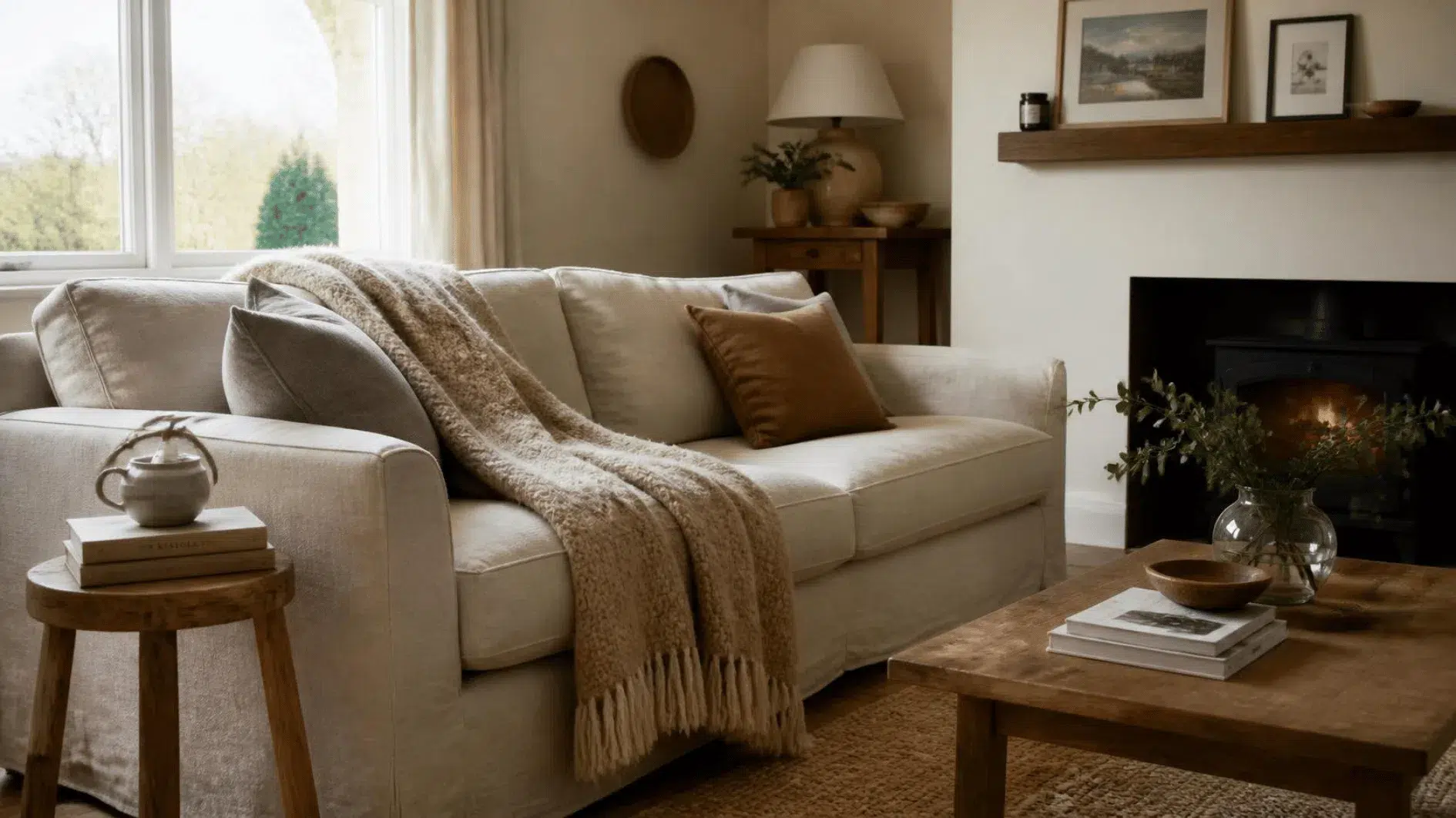
Wool home decor can bring warmth of texture and a familiar, tactile quality to British living spaces. From throws and cushions to rugs and upholstered furniture, however, the appearance of wool tells you surprisingly little about how a finished item will perform. Construction, fibre blends and care labels all matter.
Choosing wool well is not about filling a home with matching blankets. It is about selecting pieces that feel comfortable, suit their intended use and are practical to look after. A high-maintenance wool rug in a spill-prone spot may be less useful than a simpler alternative, while one serviceable throw may be all a sofa needs.
This guide looks at wool types, textile composition, everyday care, pilling, rugs, storage and buying second-hand. For the wider differences between rattan, jute, wool and other fibres, start with our natural materials for the home guide.
What Does Wool Home Decor Include?
Wool home decor includes everyday furnishings made wholly or partly from wool: throws, blankets, cushions, rugs, upholstered furniture and smaller woven accents. Wool is an animal fibre, but the finished product’s feel and upkeep depend on its yarn, weave, construction and any blended materials.
A soft throw and a tightly woven floor rug may both contain wool while behaving quite differently. One is handled and washed periodically; the other needs to tolerate foot traffic, soil and a suitable cleaning method.
This is a material-specific guide within our natural materials for the home guide. It focuses on the realities of choosing, using and maintaining wool rather than simply adding a natural texture to a room.
Why Choose Wool for Home Furnishings?
Wool can offer distinctive texture, drape and a range of finishes from fine and smooth to substantial and visibly woven. It is used in both traditional and contemporary interiors, and naturally occurring variation can give it character.
Those qualities do not make every wool furnishing better than cotton, linen or a suitable synthetic alternative. Consider what you need the item to do, how it feels to the user and whether its care instructions work for your household.
Choose a particular piece because its design and construction fit a real use, not merely because wool is described as natural or premium.
Understand Wool Types and Product Terminology

Labels may refer to lambswool, merino, Shetland wool or other sheep-wool types. These terms can indicate the source or character of the fibre, but the final texture also depends on spinning, knitting or weaving, finishes and construction.
Cashmere, alpaca and mohair are other animal fibres sometimes sold alongside wool textiles; they are not interchangeable names for ordinary sheep’s wool. A seller should specify the actual fibre composition.
Read the full label instead of relying on product titles. Where a blend is involved, the percentage of each fibre matters more than the presence of a desirable name in the description.
Read Fibre Composition and Care Labels First
A label stating 100% wool describes the declared fibre composition but not the piece’s durability, softness or care requirements. Other fibres, backings, linings or fillings can be present in different components of a finished cushion or rug.
- Check the full fibre percentages, not only the headline product name.
- Identify whether the stated composition refers to the cover, filling, pile or backing.
- Read washing, drying, ironing and professional-cleaning guidance.
- Look for dimensions, weight and intended indoor use.
- Check whether replacement covers or fillings are available.
- Save product-specific care instructions after purchase.
If a listing lacks vital information, ask the retailer or supplier before buying. Do not infer machine washability from a photograph of the fabric.
Wool Blends Versus Pure Wool
A wool blend combines wool with one or more other fibres. The second fibre may affect price, hand feel, strength, stretch, laundering or appearance, but performance varies with the actual mix and fabric construction.
Some blends may suit a heavily used cushion better than a delicate fabric; others may still require specialist care. There is no universal percentage that guarantees durability or a softer feel.
Treat the exact label and maker’s instructions as the authoritative guide. Do not assume a small percentage of wool creates the characteristics of a fully woollen textile.
Choosing a Wool Throw for the Sofa

A wool throw may bring texture to a sitting room and provide a useful covering while relaxing. Consider the size relative to the sofa and intended user, the weight of the fabric and whether it is comfortable against the skin.
A large, densely woven blanket may feel substantial but be inconvenient to handle and clean. A smaller lightweight throw may be more practical for some households.
Try the placement in your existing room rather than purchasing several coordinated throws. A single comfortable textile that is easy to put away often serves better than an elaborate arrangement.
Wool Blankets for Bedrooms and Occasional Use
A wool blanket can be part of a layered bed or kept for occasional use. Check its finished dimensions, how it sits with existing bedding and whether the household’s washing and storage arrangements suit the product.
The choice of weight and texture is personal. Someone who dislikes a coarser yarn may prefer another textile regardless of its appearance or marketing.
For wider bedroom layout and bedding decisions, see our cosy bedroom ideas guide. Wool is an option rather than a required ingredient for a comfortable bedroom.
Wool Cushion Covers: Texture, Construction and Care
Wool cushion covers can add contrast beside smooth upholstery or a wooden seat. Before choosing one, check the fabric’s surface texture, whether the cover is removable and what cleaning is permitted.
Fastenings, seam quality, backing and fit over the insert all affect practical use. A wool-front cushion may include a different backing fabric, which should be stated clearly.
If the cushion will be handled frequently or used in a busy family room, a robust fabric and convenient care routine may be more valuable than an especially delicate weave.
Choosing a Wool Rug for Everyday Living

Wool rugs can have different constructions, including flatweave and various pile structures. Density, backing, finishing and workmanship all influence texture, wear and the ability to clean the finished piece.
Consider where the rug will sit: how often people walk on it, whether spills are likely, whether furniture will rest on it and how it can be cleaned or moved.
A beautiful wool rug that cannot be maintained in its planned location may not be the best choice. Compare practical cleaning instructions before choosing size or colour.
Wool Rug Pile and Weave: What to Compare
A flatwoven rug may have a lower, less cushioned surface than a thick-pile design. Higher-pile rugs can feel different underfoot and may retain debris differently; the details depend on yarn, knotting or tufting and construction.
Check the seller’s description of pile, backing and whether shedding is expected. Look for evidence about intended use rather than assuming thicker always means better.
A rug’s location and safe installation matter as much as tactile preference. Assess door clearance, furniture placement and edges that could catch a foot.
Place Wool Rugs Without Creating Trip Hazards
Measure the room and the planned position of the rug before ordering. Check whether doors can open, whether furniture stands securely and whether the rug may move on the underlying floor.
Where an underlay is appropriate, it should be compatible with both rug and flooring. Follow manufacturer instructions; inappropriate backings can cause movement or surface problems.
A rug is optional. If the existing floor already suits the room, do not add a wool covering solely to achieve a particular style.
Wool Upholstery: Look Beyond the Fabric Name
Wool-containing upholstery can provide a different surface character from linen, leather or synthetic fabrics. However, durability depends on the fabric construction, upholstery specification and the piece of furniture as a whole.
Ask about intended use, appropriate abrasion or wear information where available, and professional cleaning or spill guidance. Also examine frame stability, cushion construction and whether the upholstery is suitable for the household.
A wool label does not guarantee a sofa or chair will resist stains, remain unchanged in sunlight or suit children and pets. Check the actual product specification.
Comfort, Texture and Personal Sensitivities
Some wool feels soft to a particular user, while other yarns or finishes may feel coarse or irritating. Personal sensitivity, contact time and whether the textile is directly against the skin all matter.
Do not assume every wool fibre is comfortable for everyone, or use broad claims that wool is automatically hypoallergenic. If comfort is important, evaluate an actual sample or seek suitable product information.
For household needs involving allergies or health concerns, rely on appropriate professional guidance rather than marketing claims about fabrics.
Using Wool Textures With Warm Neutral Colours
Natural cream, oatmeal, brown and grey wool can work alongside timber, muted paint colours or darker furniture. The visible yarn and weave add detail even when the textile is close in tone to surrounding pieces.
A strongly patterned rug or throw may work best with fewer competing accents. Start with existing flooring, large upholstery and curtains before adding another substantial pattern.
Our warm neutral colours guide
Pair Wool With Linen, Cotton and Timber
A wool throw against linen upholstery can provide a contrast in weave and visual weight. Smooth timber furniture offers another surface without requiring a matched set of accessories.
Different textiles do not necessarily need the same cleaning method. Keep each item’s care instructions separate and be realistic about how often it will need maintenance.
For linen fabric and curtain care, see linen home decor. Our wooden home decor guide
Understand Wool Washing Symbols and Restrictions
A wool item may be labelled for a particular hand wash, machine wool cycle or professional cleaning. The safe choice depends on the product’s full construction and instructions, not on the fact that it contains wool.
Incorrect agitation, temperature or drying can alter some wool textiles. Never assume that a routine suitable for one wool garment is safe for a furnishing, and avoid improvised heat or cleaning treatments.
When a label is unclear, seek the manufacturer or supplier’s guidance. If professional care is required, consider those ongoing costs before buying.
How to Clean Wool Rugs and Textiles: Spills and Marks
A spill calls for prompt, appropriate action based on the particular item. Check the manufacturer’s instructions before applying water, stain-removing chemicals or friction.
Rubbing can spread or work a stain further into some fabrics; excessive wetting can affect certain rug backings or upholstery components. Do not test an unknown cleaning mixture on a valuable wool piece.
Where the product recommends professional cleaning, follow that advice. The need for specialist treatment can be an important factor in deciding whether the material suits a frequently used area.
Dry Wool Textiles According to Their Care Instructions
Drying guidance varies by construction and finish. A product may require reshaping and suitable air drying, while another may be suitable only for professional care. The label should determine the method.
Avoid exposing a wool textile to direct heat or machine drying unless explicitly allowed. Do not hang a heavy wet piece in a way that might distort its shape.
Ensure a textile is properly dry before storing it, according to its care instructions. Storage while damp can cause avoidable problems regardless of the fibre.
Wool Pilling: What It Is and What to Expect
Pilling is the formation of small fibre balls on a textile surface as fibres work loose and become entangled with wear and friction. Some fabrics show more pilling than others, depending on fibre, yarn and use.
A little surface pilling does not necessarily mean a product is faulty, but severe or unexpected changes should be evaluated against its advertised specification and normal use.
Use only a maker-approved method to remove pills. Aggressive combing, trimming or pulling can damage a delicate knit or weave.
Shedding, Loose Fibres and New Wool Rugs
Some new wool rugs may release loose fibres, particularly during early use. The amount varies with construction and finishing, so ask the supplier what is considered normal for the specific rug.
Follow the correct vacuuming and maintenance instructions; overly aggressive suction or unsuitable brush attachments may affect delicate surfaces.
If shedding remains excessive or there are signs of construction failure, contact the retailer with photographs and product details rather than continuing an unsuitable cleaning method.
Store Wool Throws and Blankets Carefully

Store wool textiles clean and dry in suitable conditions, following any maker’s storage advice. Folded storage may suit some pieces better than hanging, especially where weight can distort the textile.
Check stored items occasionally for damage, moisture or pests. Avoid sealing anything while damp or leaving it exposed to unsuitable conditions.
The ideal method depends on the textile and available storage. A practical, accessible arrangement is preferable to a complicated system you cannot maintain.
Be Aware of Clothes Moths Without Over-Treating
The larvae of certain clothes moths can damage wool and other animal fibres. Regular checks, appropriate cleaning and good storage practices are sensible precautions.
If damage or an infestation is suspected, identify the problem and follow reputable treatment guidance rather than spraying products at random. Use only treatments authorised for the situation and keep household safety in mind.
Do not apply essential oils or homemade repellents to wool furnishings based on unverified promises of protection. They may not solve the problem and can affect materials or household sensitivities.
Consider Sunlight, Damp and Placement
Repeated direct sunlight can change the appearance of some dyed textiles. Excessive damp may cause separate maintenance problems, especially for heavy rugs or upholstery.
Look at the room’s light, ventilation and proximity to heating equipment before placing a wool furnishing. Follow any warnings about heat, cleaning and use.
Textiles cannot address persistent condensation, leaks or poor ventilation. Deal with underlying building conditions rather than relying on a decorative material.
Wool Furnishings in Homes With Pets or Children
Busy households may need textiles that can handle frequent handling, fur, spills or play. Wool can be used in such settings, but the suitability depends on the item’s construction and how it can be cleaned.
Choose durable, stable furnishings and avoid small loose components or easily damaged decorative pieces where they create hazards. Store cleaning supplies away from children and animals.
A practical washable alternative may serve better than a delicate wool item. The right choice is about a household’s actual needs, not the perceived prestige of a fibre.
Buying Second-Hand Wool Home Furnishings
Used wool throws and rugs may offer value if condition, hygiene and cleaning requirements are clear. Check for odours, staining, uneven wear, moth damage, weakened seams and any backing problems.
Allow for possible specialist cleaning costs and check that the piece fits the intended room. Do not assume an old textile is valuable solely because it is made from wool.
Our second hand furniture guide
Does Wool Automatically Make a Product Sustainable?
Wool comes from animals, but that fact alone does not establish an item’s environmental or welfare performance. Production, land use, animal welfare practices, processing, transport, durability and disposal all deserve consideration.
A durable and repairable product may offer practical value, but any environmental claim should be specific and supported. Look for credible evidence about the actual product and supplier rather than generic natural or eco-friendly labelling.
For broader guidance on sourcing and green claims, read our sustainable materials guide. Do not replace sound existing textiles only to buy a supposedly greener one.
Wool Decor Choices at a Glance
| Item | Useful questions | Potential upkeep consideration |
|---|---|---|
| Wool throw | Is it comfortable, correctly sized and useful? | Read wash and drying instructions. |
| Wool cushion cover | Is the cover removable and well constructed? | Check fibre mix and the backing. |
| Wool rug | Does its weave, backing and size suit the room? | Check shedding, cleaning and floor safety. |
| Wool upholstery | Is the complete furniture piece fit for use? | Confirm suitable cleaning and wear guidance. |
| Stored wool blanket | Will you use it and have suitable storage? | Keep clean and dry; check periodically. |
These comparisons are starting points, not universal performance ratings. Manufacturer specifications and household conditions remain decisive.
Common Mistakes When Choosing and Caring for Wool
- Buying by fibre name alone. Examine construction and intended use.
- Assuming all wool feels soft. Comfort varies with the yarn and finishing.
- Ignoring care labels. Washing and drying restrictions differ between items.
- Choosing an impractical rug. Check floor safety and cleaning requirements.
- Confusing surface pilling with guaranteed poor quality. Assess the amount and product expectations.
- Using unapproved stain removers. Avoid damaging valuable fabric.
- Storing damp textiles. Follow proper cleaning and dry-storage guidance.
- Treating natural as an environmental certification. Ask for evidence.
A Practical Wool Home Decor Checklist
- Identify whether you need a throw, rug, cushion or upholstery fabric.
- Check the complete fibre composition and product construction.
- Consider comfort, texture and actual household use.
- Measure dimensions and assess placement.
- Read washing, drying and storage instructions.
- Check likely cleaning costs and practicality.
- Inspect seams, backing, joints or wear as relevant.
- Consider floor grip and trip risks for rugs.
- Review sourcing or environmental claims critically.
- Keep useful existing furnishings rather than replacing them unnecessarily.
Frequently Asked Questions About Wool Home Decor
Is wool suitable for living-room decor?
Wool can suit throws, cushions, rugs and upholstery, depending on the product’s construction and your care requirements. It is not the right choice for every use.
Can wool throws go in the washing machine?
Only if the specific product’s care label permits it. The wool fibre alone does not determine safe washing or drying instructions.
Do wool rugs always shed?
Some wool rugs shed loose fibres, particularly when new, but the amount depends on construction and finishing. Check the supplier’s advice for the specific rug.
What is wool pilling?
Pilling happens when surface fibres form small balls through wear and friction. Its extent varies by textile, and removal should follow suitable product guidance.
Is wool hypoallergenic?
Do not assume so. Comfort and sensitivity vary between people and products; seek suitable guidance if a specific allergy or health issue is involved.
Is wool always a sustainable material?
No. Natural origin does not establish environmental impact or animal welfare practices. Specific sourcing, production and durability evidence matter.
Choose Wool for How You Will Actually Use It
Wool home decor can bring appealing texture and useful furnishings to a room, from a simple throw to an upholstered chair or well-chosen rug. Its practicality depends on what the finished product contains, how it is made and what care it requires.
Start with the needs of the room and the people who use it. Check labels, keep maintenance realistic and select pieces that genuinely earn their place rather than building a collection around one natural fibre.

Leave a Reply