

SUSTAINABLE HOME · CONSCIOUS CONSUMPTION
Second Hand Furniture: How to Buy Well and Avoid Common Mistakes
A practical guide to buying second hand furniture with confidence—how to check dimensions, construction, stability, upholstery, hidden damage, repair costs and transport before an attractive bargain becomes an expensive mistake.
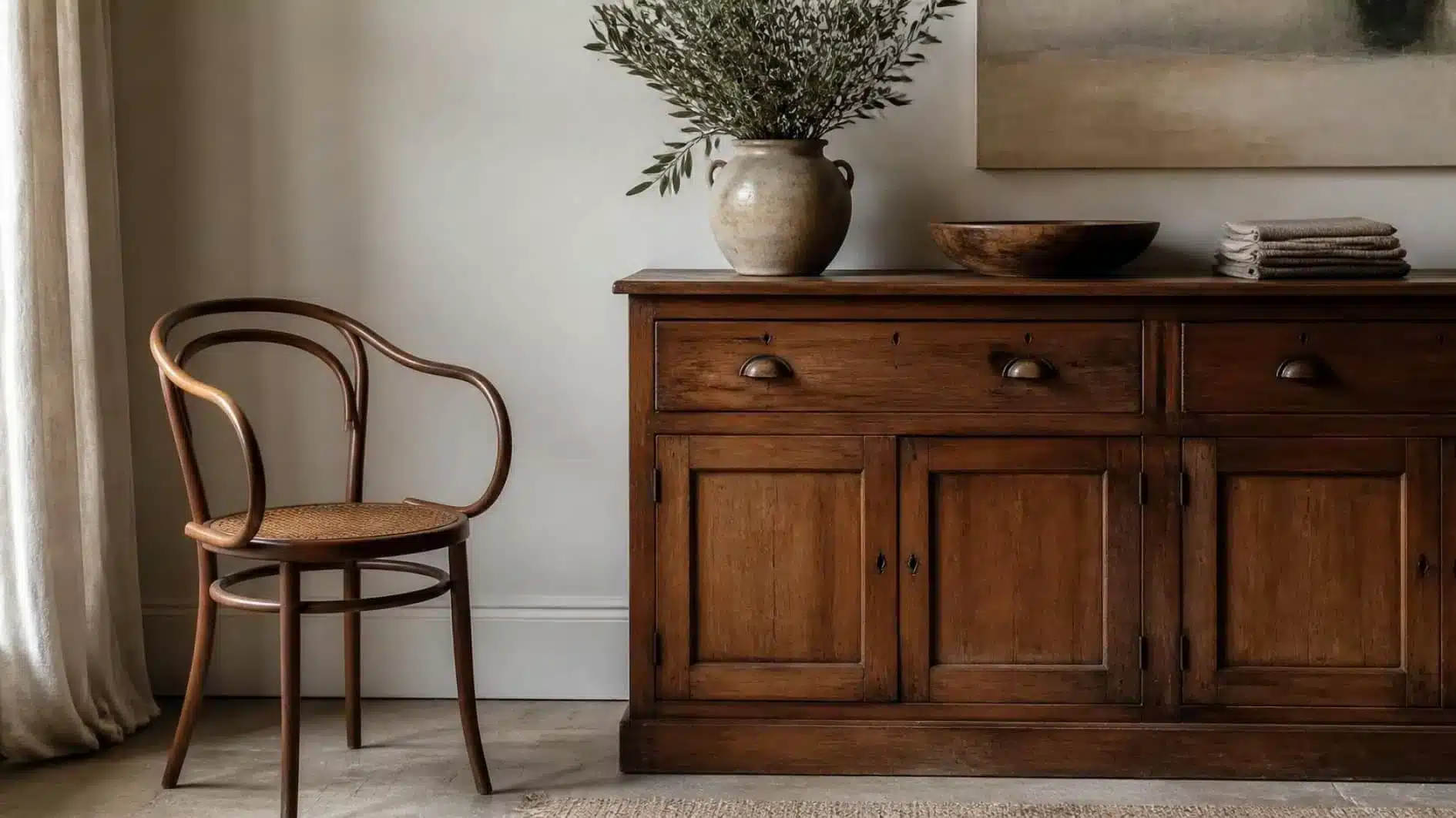
Second hand furniture can be one of the strongest ways to furnish a home with more character and less unnecessary material use. A well-made table, chest, chair or cabinet may already have decades of service behind it and still have many useful years ahead.
But second hand does not automatically mean good value, durable or sustainable. A piece that is structurally weak, badly damaged, difficult to transport or expensive to restore can become waste just as quickly as a poor new purchase.
The useful approach is simple: buy less, inspect carefully and choose pieces you can realistically live with. That is the same principle behind our broader zero waste lifestyle guide—keep useful objects in circulation, but do not confuse reuse with accepting unsuitable products.
Why Buy Second Hand Furniture?
Buying second hand keeps an existing object in use and can reduce demand for a replacement product. It can also give you access to solid timber, older construction methods or unusual proportions that are difficult to find at the same price when buying new.
The strongest reason, however, is not that every pre-owned piece is automatically sustainable. It is that a suitable existing object can continue doing useful work instead of being discarded.
Measure Before You Browse
Second-hand buying often moves quickly, which makes it easy to fall in love with a piece before checking whether it can actually reach the room.
- Measure the intended position in the room.
- Check door widths, stair turns, lifts and narrow hallways.
- Allow space for drawers and doors to open.
- For tables and desks, check chair and circulation clearance.
- Confirm whether legs, tops or other sections can be removed for transport.
A beautiful piece that cannot pass the stair landing is not a useful purchase.
Understand What the Furniture Is Made From
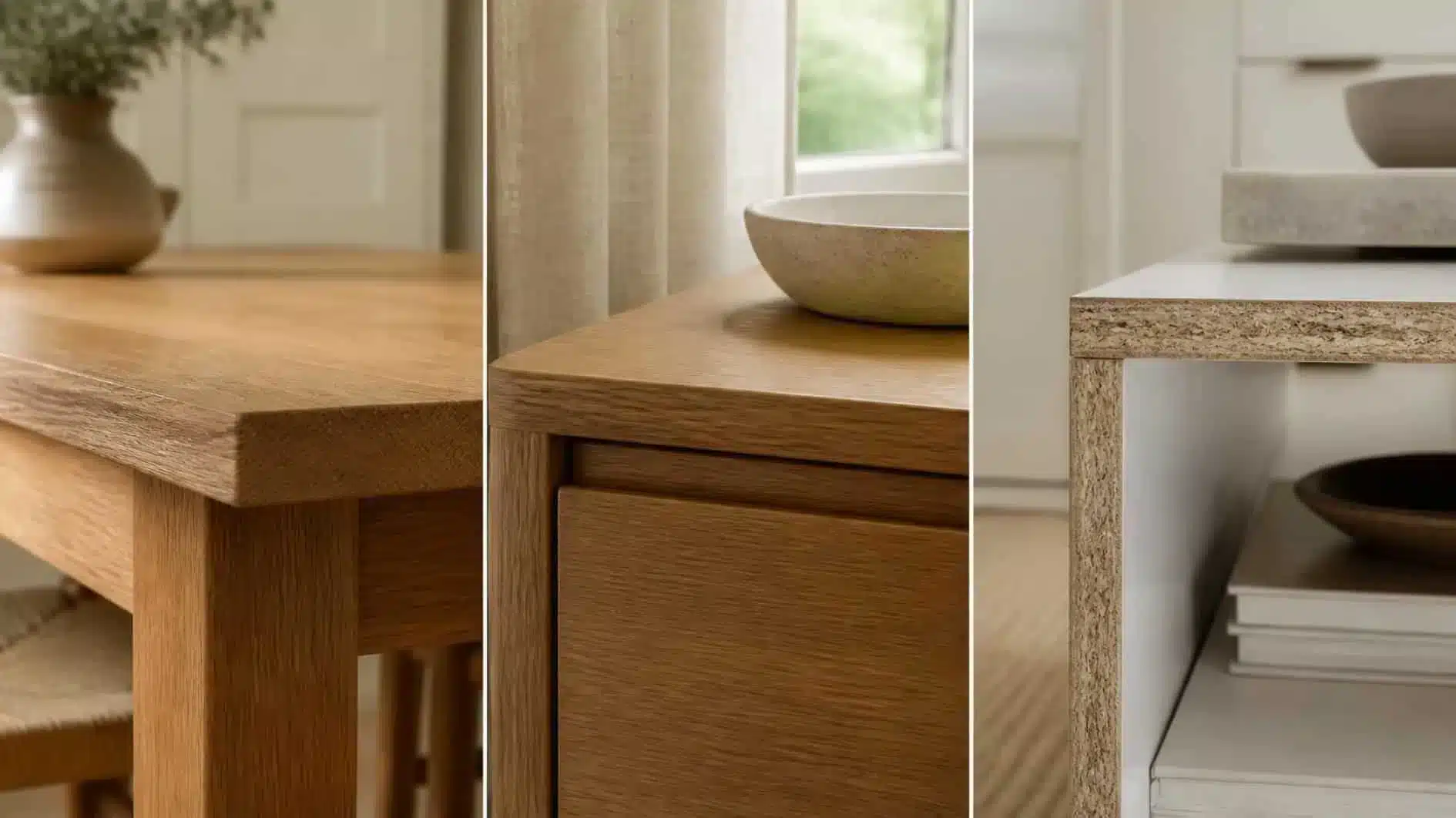
Ask whether the piece is solid timber, veneered board, plywood, MDF, metal, glass or a combination. Each can be perfectly serviceable, but the material affects weight, repair options and how damage should be interpreted.
Solid timber can often be sanded, refinished and repaired more extensively. Veneered pieces may still be very well made, but aggressive sanding can permanently damage the thin surface layer. MDF can perform well when dry and intact but tends to respond poorly to significant water damage.
Check the Structure Before the Finish
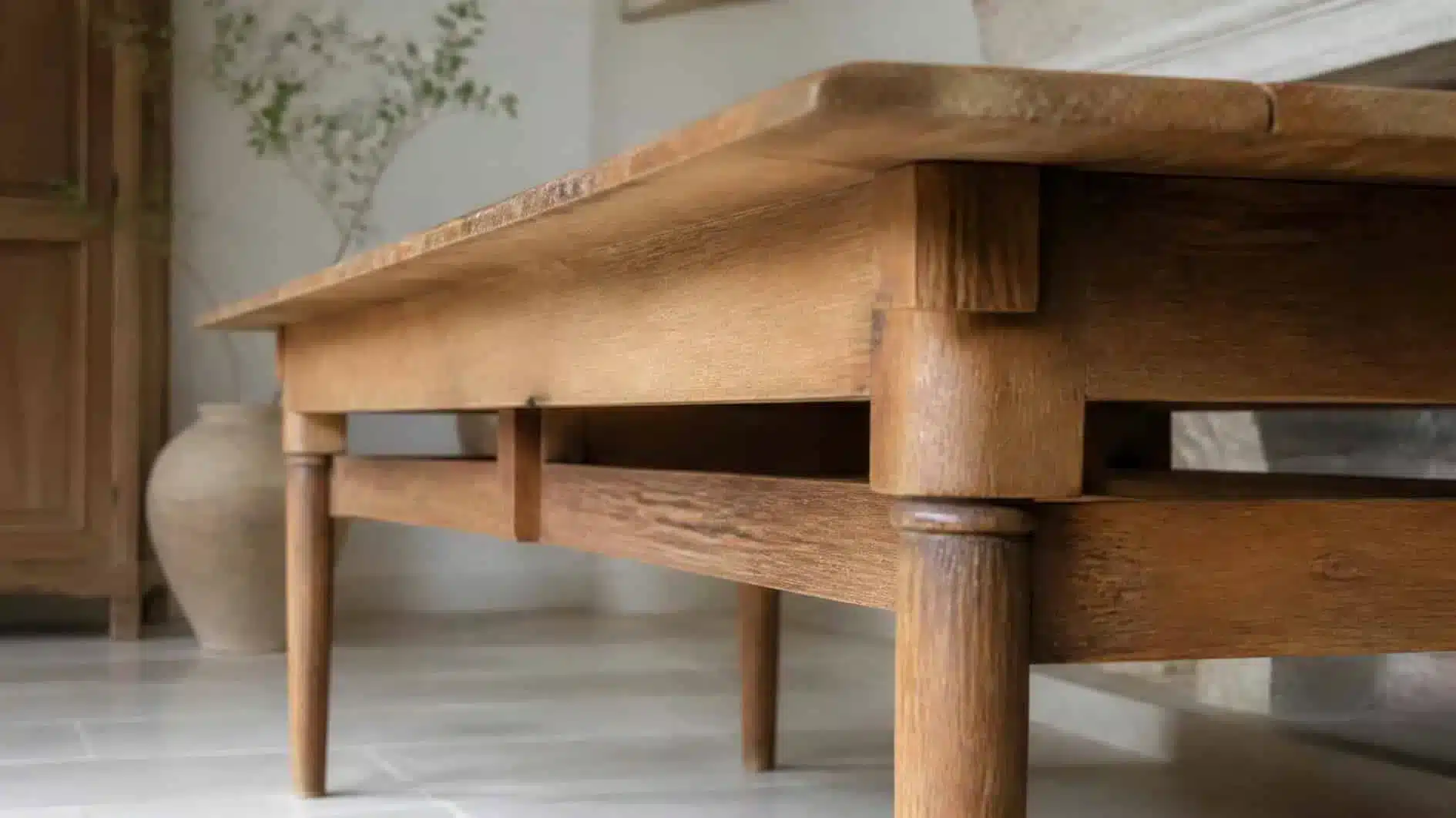
Surface scratches are usually easier to live with or repair than structural movement. Inspect the furniture with your hands, not only your eyes.
- Gently test for rocking or wobble.
- Look underneath tables, chairs and cabinets where repairs are easier to see.
- Check joints for widening gaps, failed glue or multiple improvised screws.
- Look for splits around legs, rails and load-bearing points.
- Make sure shelves and bases have not bowed excessively.
A small cosmetic mark can add character. A cracked structural joint deserves a real repair plan before you buy.
How to Inspect Timber Furniture
Timber furniture often improves visually with age, but not all marks are harmless patina. Check for deep splits, soft or crumbling areas, black staining from long-term moisture and previous repairs that have failed.
Look closely at the underside, rear panels and joints. If the seller permits it, gently press or move the piece to see whether the structure feels solid. On tables and chairs, check all legs rather than only the most visible side.
Veneer Is Not Automatically a Problem
Veneered furniture can be beautifully made and durable. The issue is condition. Look for lifting edges, bubbles, missing sections and water damage where the veneer has separated from the substrate.
Minor edge repairs can be manageable. Large areas of loose or missing veneer may require specialist work, and sanding should be approached carefully because the decorative layer can be very thin.
Test Drawers, Doors and Hardware
Open every drawer and door. A piece can look excellent in photographs while hiding warped runners, damaged hinges or a base that drops under weight.
- Check that drawers pull out and return without excessive force.
- Look for sagging drawer bottoms.
- Check hinges for missing screws or stripped fixing holes.
- Make sure handles are secure and replacements would be practical.
- Check locks only if you actually need them to work.
Be More Careful With Upholstered Furniture
Upholstered furniture needs additional checks because the internal filling, fabric condition, hygiene and fire-safety requirements are less visible than the structure of a timber cabinet.
If you are buying second-hand upholstered furniture from a business in the UK, check the permanent fire-safety label. Current government guidance states that second-hand supply remains subject to permanent-labelling requirements under the furniture fire-safety regulations. See the Office for Product Safety and Standards guidance.
Also inspect seams, cushions, frames and underside fabric. Strong persistent odours, widespread staining, damaged filling or signs of infestation can turn an inexpensive sofa or chair into a difficult restoration project.
Check for Pests, Damp and Persistent Odours
Do not bring furniture indoors until you have inspected it carefully. Look around joints, drawer corners, fabric seams, backing material and the underside.
Be cautious with unexplained spotting, insect debris, active holes, musty smells or areas that remain damp. Some cosmetic odours can be cleaned, but persistent mould, infestation or deeply absorbed smoke may not be worth taking into the home.
Decide Whether Repairs Are Realistic
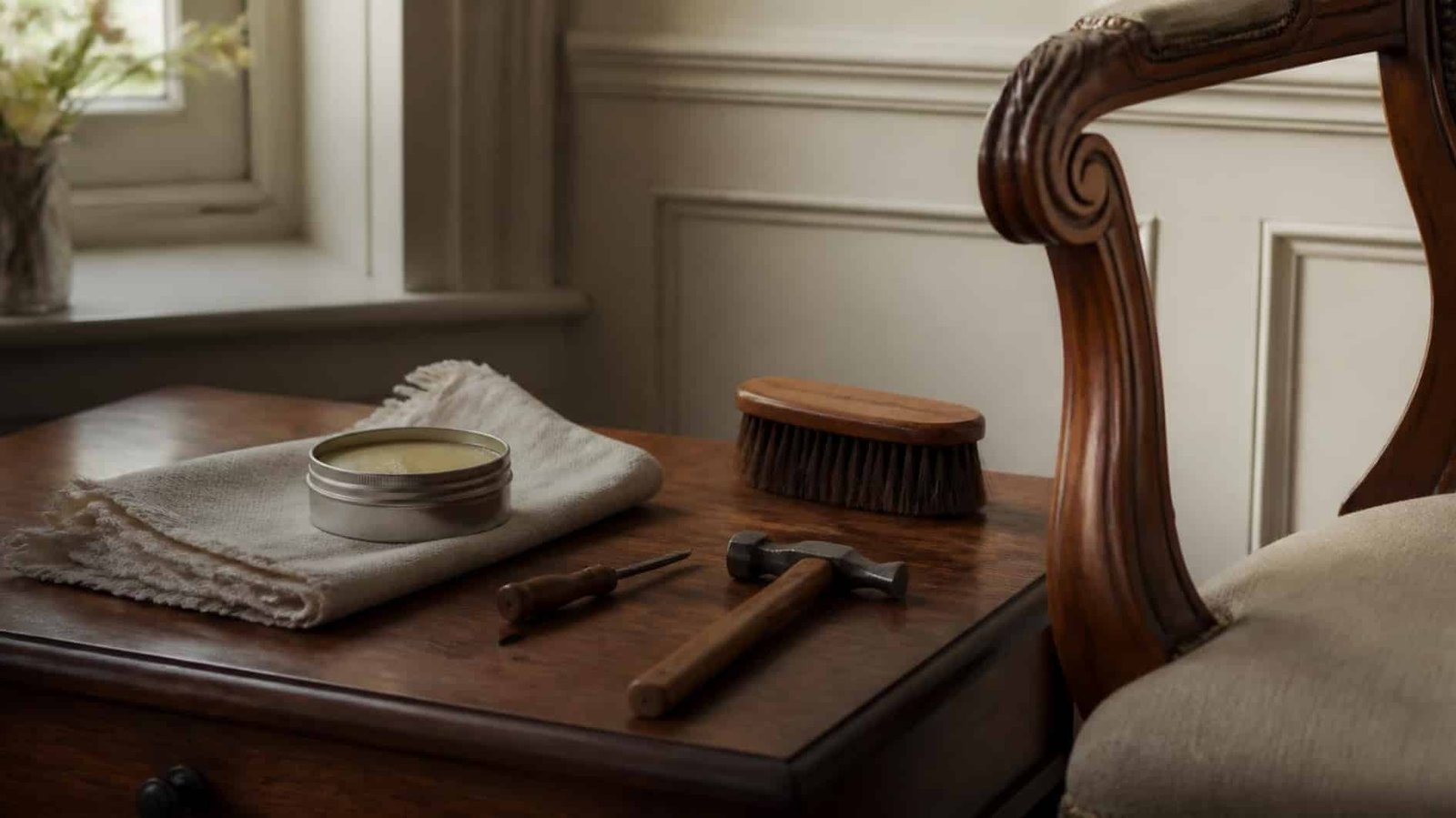
A loose handle and a failed structural joint are very different repairs. Before buying, separate what you can comfortably fix from what needs a professional.
- Usually manageable: tightening hardware, replacing a simple handle, light cleaning, waxing or touching up a small finish defect.
- Potentially more involved: regluing joints, replacing runners, repairing veneer, stripping heavy paint or restoring a damaged finish.
- Specialist territory: major structural repairs, extensive upholstery work, electrical components or valuable antique restoration.
If you are buying because the piece seems inexpensive, add the repair cost before deciding whether it is actually good value.
Think Carefully Before Painting or Refinishing
Not every second-hand piece needs a makeover. Original finishes, timber colour and signs of age can be part of the character you are buying.
Before stripping or sanding, identify the material and consider whether the finish may be worth preserving. Older painted furniture can also require extra care because you may not know what previous coatings contain. When the history is uncertain, use appropriate precautions or professional advice rather than dry-sanding unknown finishes casually.
Plan Transport Before You Pay
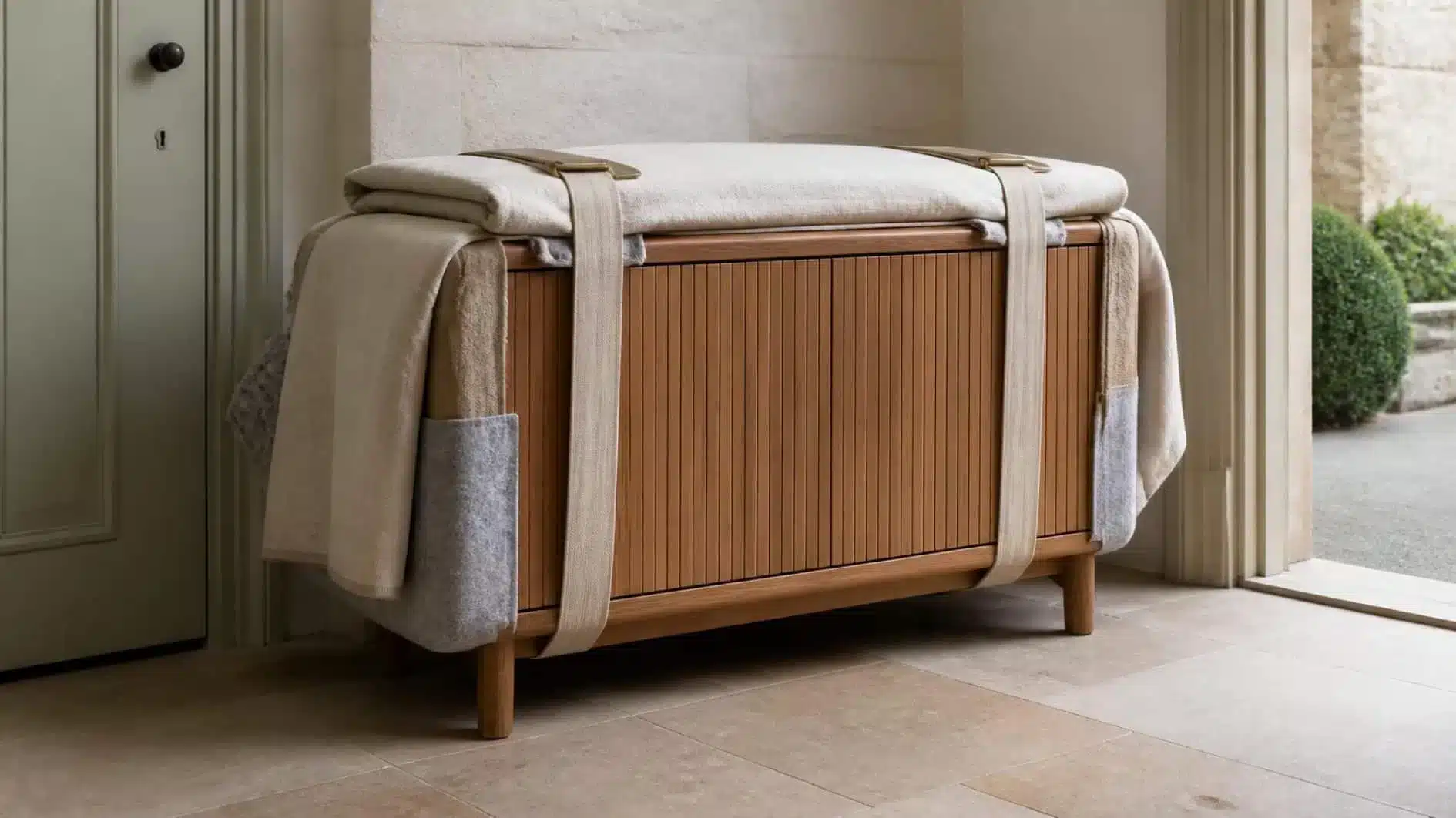
Transport is one of the easiest costs to underestimate. Confirm dimensions, approximate weight and whether the item disassembles before collection.
- Check vehicle opening dimensions, not only interior length.
- Bring blankets, straps and corner protection.
- Do not lift heavy furniture alone simply to save a delivery fee.
- Ask whether a marketplace seller can hold the piece while you arrange transport.
- For fragile glass, stone or mirrors, use suitable professional handling where necessary.
Calculate the True Cost
The advertised price is only one part of the decision. Add delivery or van hire, repair materials, replacement hardware, professional cleaning and any specialist work.
A £40 cabinet that needs £150 of repair and transport is not a £40 purchase. That may still be worthwhile if the finished piece is excellent, but the decision should be deliberate.
Questions to Ask the Seller
- What are the exact width, depth and height?
- Is the piece solid timber, veneer or manufactured board?
- Does anything wobble, stick, sag or need repair?
- Are there stains, water damage, odours or signs of pests?
- Has it been repainted, refinished or structurally repaired?
- Can it be disassembled for collection?
- For upholstered pieces supplied by a business, is the permanent fire-safety label present?
Ask for close photographs of any damage rather than relying on “good condition for age”.
Where to Buy Second Hand Furniture
Each source has different advantages. Local charity furniture shops let you inspect pieces in person. Vintage dealers may offer better curation and condition information. Online marketplaces provide the widest choice but place more responsibility on you to assess photographs, descriptions and seller claims.
Auctions can offer exceptional pieces, but remember buyer fees, collection deadlines and the fact that condition may be described briefly. Choose the buying route that gives you enough information for the value and complexity of the piece.
Furniture That Often Works Well Second Hand
- Solid timber dining tables and desks
- Bedside tables and small chests
- Bookcases and shelving
- Sideboards and cabinets
- Mirrors with sound frames and backing
- Simple non-upholstered chairs in good structural condition
Our Second Hand Dining Table guide goes deeper into dining-specific checks, while our Second Hand Bedside Tables guide covers height, drawers, surface damage and matching pairs.
Common Buying Mistakes
- Buying before measuring.
- Judging only from styled photographs.
- Confusing surface patina with structural condition.
- Assuming solid timber without checking.
- Ignoring odours, damp or signs of pests.
- Underestimating repair and transport costs.
- Buying a restoration project when you wanted ready-to-use furniture.
- Choosing a piece because it is “sustainable” even though it does not suit the room.
Second Hand Furniture Checklist
- Measure the room and access route.
- Confirm the material and construction.
- Test stability and structural joints.
- Open every drawer and door.
- Inspect underneath and behind the piece.
- Check for moisture damage, pests and persistent odours.
- Review upholstery and required safety labelling where relevant.
- Estimate repair and cleaning costs.
- Plan transport before paying.
- Ask whether you would still want the piece without the “second-hand bargain” story.
Frequently Asked Questions About Second Hand Furniture
Is second hand furniture always more sustainable than buying new?
No. Reusing an existing piece can extend its useful life, but condition, transport, repair requirements and how long you will actually keep it all matter. An unsuitable second-hand purchase that is quickly discarded is not a strong outcome.
What should I check first on used furniture?
Start with dimensions and structure. Make sure the piece fits the room and access route, then check joints, legs, shelves and load-bearing areas before worrying about small cosmetic marks.
Is veneer bad on second hand furniture?
No. Well-made veneered furniture can be durable and attractive. The important issue is whether the veneer is intact, securely bonded and suitable for any restoration you have planned.
Should I buy a second hand sofa?
It can be reasonable, but upholstered furniture needs closer checks for hygiene, odours, filling condition, structural damage and relevant fire-safety labelling when supplied by a business. If you cannot inspect it adequately, the risk is higher than with a simple timber table or cabinet.
How much damage is acceptable?
Accept cosmetic damage only if you genuinely like it or know how you will repair it. Be more cautious with structural damage, significant moisture problems, infestation, failed upholstery or repairs that require specialist work.
Buy the Piece, Not the Story
The best second hand furniture purchase is not necessarily the oldest, cheapest or most visibly “sustainable”. It is the piece that fits the room, survives a proper inspection, can be transported safely and still makes sense after repair costs are included.
Buy slowly enough to check those things. A well-chosen existing object can stay in use for years; a rushed bargain can become tomorrow’s bulky waste. For questions that apply to any purchase, new or used, see our intentional shopping guide.

Leave a Reply