

SUSTAINABLE HOME · LOW-WASTE LIVING
Zero Waste Lifestyle: A Practical Guide to Reducing Everyday Household Waste
A realistic guide to reducing household waste without chasing perfection—starting with prevention, reuse, repair and second-hand buying before recycling, and focusing on the changes that actually fit everyday life.
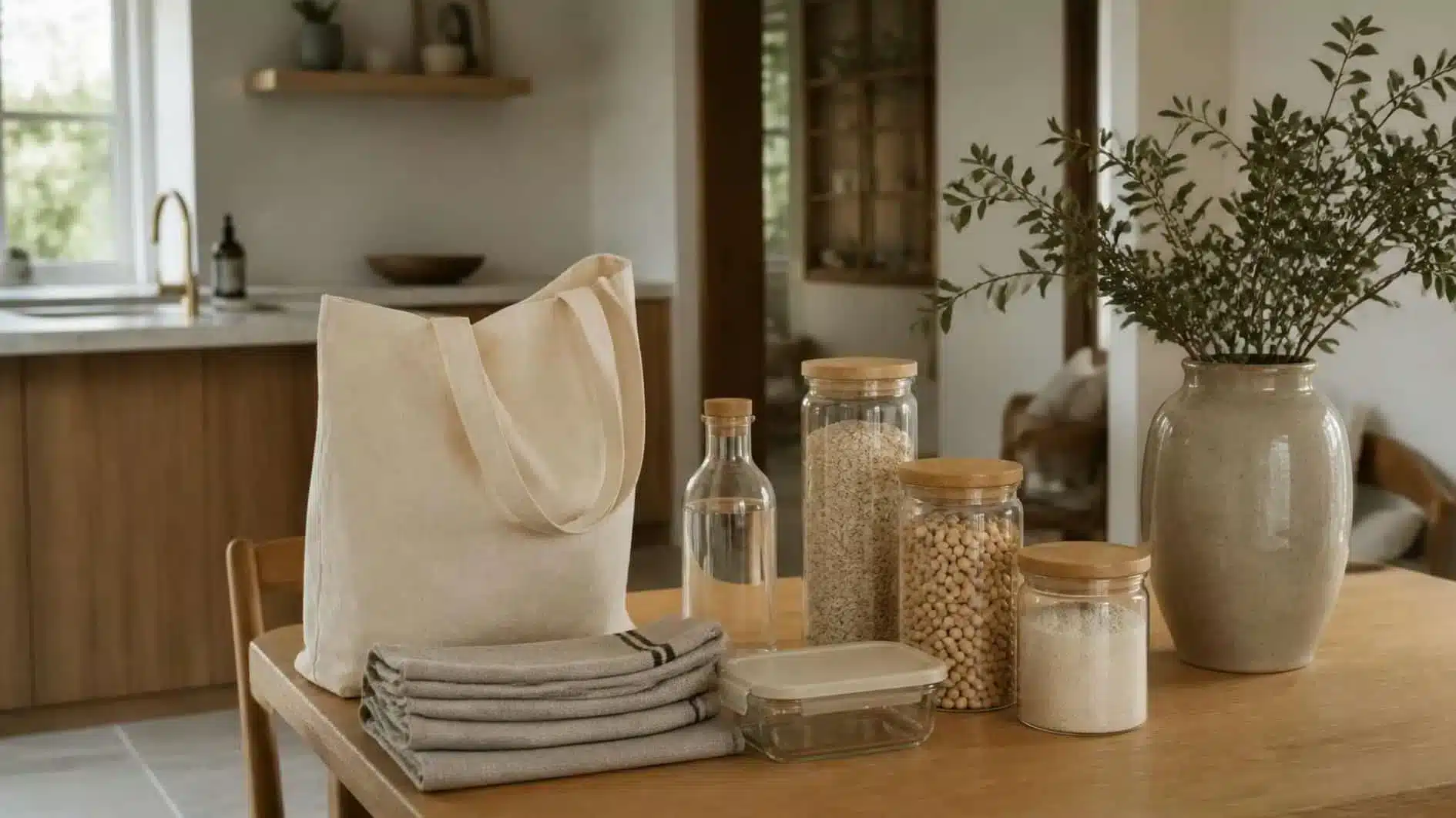
A zero waste lifestyle is often presented as a picture of perfect jars, reusable containers and a bin that is almost empty. Real homes are more complicated. Packaging, food, furniture, clothes, cleaning products, deliveries and broken household items all create different kinds of waste, and not every one can be eliminated.
A more useful way to approach zero waste is as a direction rather than a purity test. Prevent unnecessary purchases where you can. Keep useful things in service for longer. Reuse and repair when the result is practical. Buy second hand when condition and suitability are good. Then recycle correctly when an item genuinely reaches the end of its useful life.
This is also closer to the UK waste hierarchy, which prioritises waste prevention and preparing for reuse before recycling. The most effective household changes often happen before something becomes waste at all.
What a Zero Waste Lifestyle Really Means
In an ordinary household, “zero waste” is best understood as reducing avoidable waste and keeping materials in use for longer. Literal zero is rarely realistic. Medicines, safety-critical packaging, damaged materials, hygiene items and products without suitable reuse or recycling routes can all create unavoidable waste.
The useful question is therefore not “Can I produce no rubbish?” but “Where can I prevent waste without making the household less functional?” That shift makes the idea practical and measurable.
Start With the Waste Hierarchy
The waste hierarchy provides a sensible order for household decisions:
- Prevent. Avoid creating unnecessary waste in the first place.
- Prepare for reuse. Keep an item in service, pass it on or make it usable again.
- Recycle. Recover material when the product can no longer be reused.
- Recover or dispose. The lower-priority options when prevention, reuse and recycling are not suitable.
For households, the important lesson is that recycling is valuable but it is not the first step. Preventing an unnecessary purchase or keeping a useful table in service for another decade can be more meaningful than replacing it with something marketed as sustainable and recycling the packaging.
Audit What Your Household Actually Throws Away
Before buying reusable alternatives, spend a week or two noticing what fills the general waste and recycling bins. Most households have a few recurring categories that matter much more than the rest.
- Food and food packaging
- Online-delivery packaging
- Cleaning and bathroom containers
- Disposable kitchen items
- Clothing or household textiles
- Broken small appliances or electronics
- Bulky furniture and homeware
Choose the largest or most frequent category first. Changing one repeated habit is usually more useful than buying ten new “zero-waste” accessories at once.
Buy Less Before You Buy “Greener”
Buying a sustainable version of something you did not need is still a purchase. Before replacing an object, ask whether the current one can be cleaned, repaired, repurposed or simply kept in use.
This is especially important with homeware. A new basket, storage system or set of matching containers can look like progress while actually adding materials and cost. Organise around what you already own before purchasing an entire replacement system.
Use What You Already Own
The lowest-waste option is often already in the cupboard. Finish suitable cleaning products before changing systems. Use existing jars and boxes before buying dedicated storage. Keep serviceable towels, cloths, furniture and kitchen equipment in use until there is a real reason to replace them.
When something does need replacing, you can then make a more considered decision about material, repairability, durability and second-hand availability.
Make Second Hand a Normal First Option

Second-hand buying is one of the most practical circular-living habits because it keeps existing products in use. It can work particularly well for solid furniture, mirrors, tables, chairs, storage, lighting bases and decorative objects where condition can be inspected.
It is not automatically the best option for every product. Condition, hygiene, safety standards, dimensions, transport and hidden damage still matter. Our Second Hand Furniture guide explains how to inspect pieces properly before you buy.
Furniture: Condition Matters More Than the Sustainability Story
A second-hand piece is only a useful purchase if it is structurally sound and suitable for the room. A cheap dining table that wobbles badly, cannot be transported safely or needs specialist repair may not be the bargain it first appears to be.
- Measure the room, access route and vehicle before collection.
- Check joints, legs, fixings and structural movement.
- Look for water damage, veneer lifting, deep cracks and signs of pests.
- Ask what material the piece is actually made from.
- Factor cleaning, repair and transport into the real cost.
The support articles in this cluster look more closely at specific furniture types. Our Second Hand Dining Table guide focuses on room fit, stability and extension mechanisms, while our Second Hand Bedside Tables guide covers height, drawers, water damage, veneer and matching pairs.
Repair When It Extends Useful Life
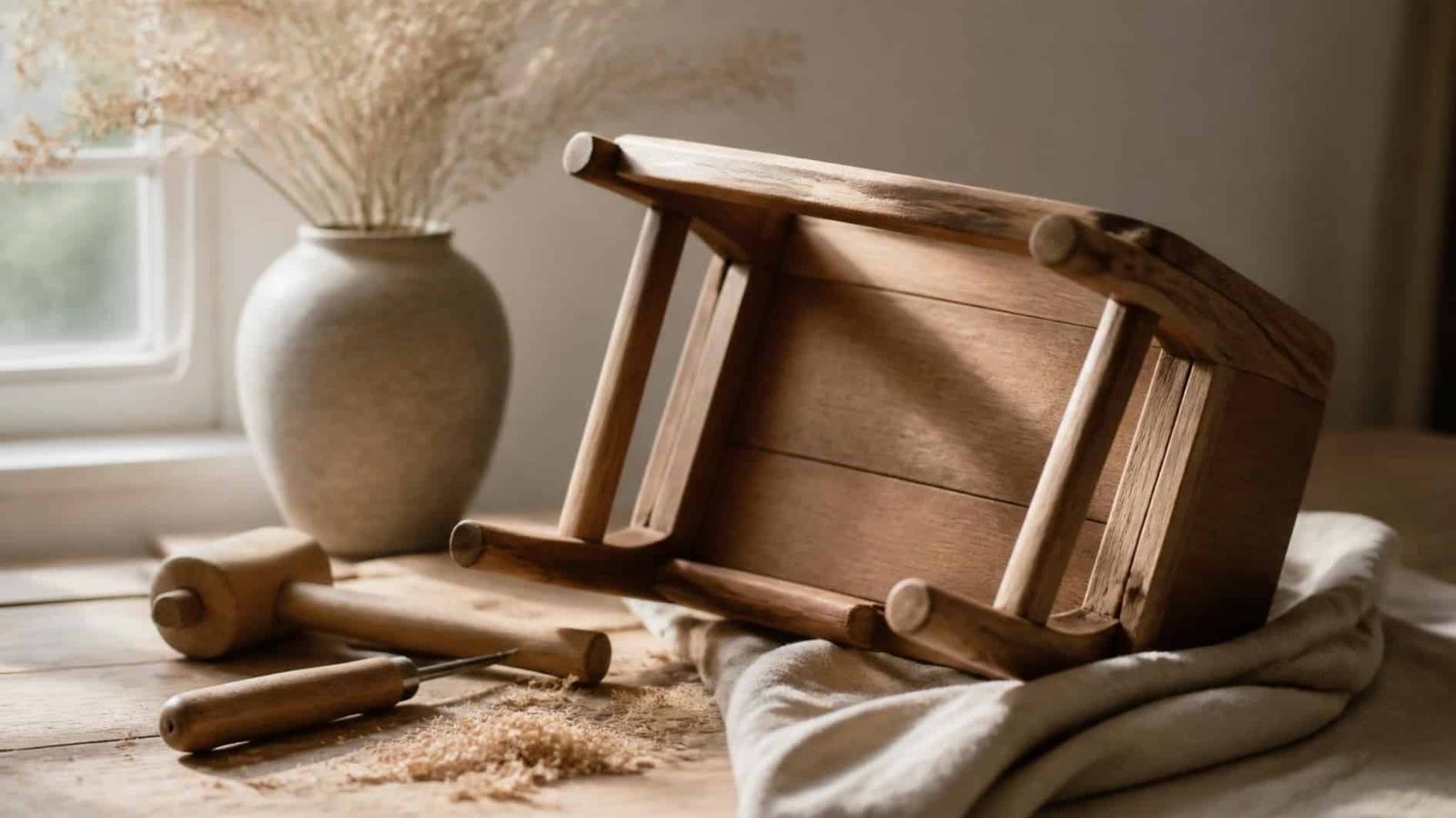
Repair makes sense when it restores useful function at a reasonable cost and does not create a safety problem. Tightening furniture joints, replacing a lamp shade, repairing a loose handle or re-finishing a solid timber surface can keep a good object working for years.
Not every repair is worthwhile. Safety-critical electrical faults, major structural failures or repairs costing more than a durable replacement deserve a more careful decision. Circular living should not mean keeping unsafe products indefinitely.
Reduce Food Waste Without Overcomplicating Meals
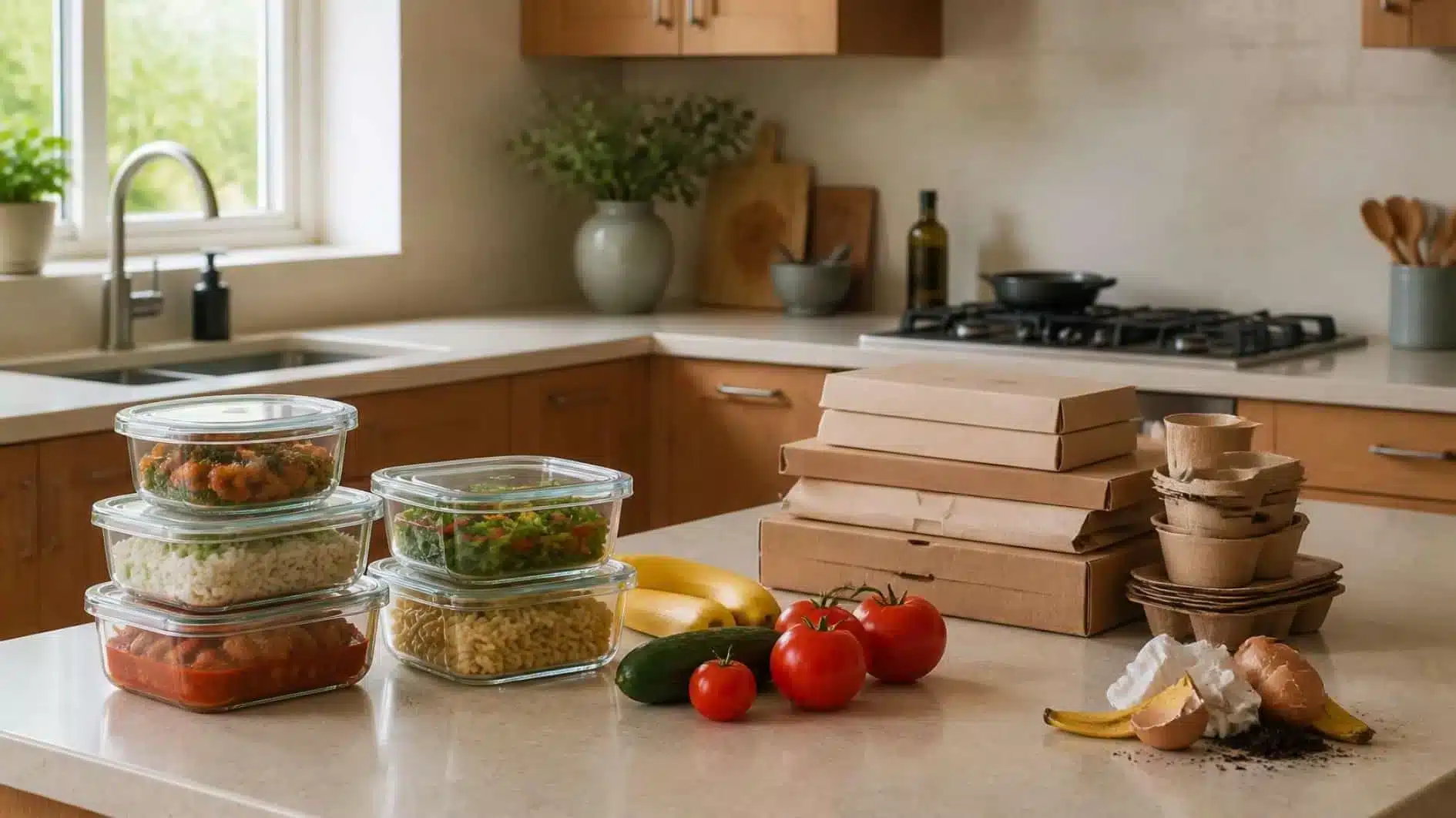
Food waste often responds well to simple systems: plan a few meals rather than an entire perfect week, check the fridge before shopping, freeze ingredients before they deteriorate and understand the difference between date labels.
- Keep frequently forgotten ingredients visible.
- Use a “use first” section in the fridge.
- Freeze bread, herbs, cooked meals or portions when suitable.
- Buy realistic quantities rather than aspirational quantities.
- Compost unavoidable food scraps where an appropriate local route exists.
Reduce Packaging Where It Is Practical
Packaging reduction works best when it does not cause more product waste. A larger pack is not automatically better if the contents will spoil before you use them. A refill is not automatically lower waste if the original container is replaced repeatedly.
Prioritise systems you can maintain: repeat-use containers, reliable refills, concentrates with clear dosing and products available in quantities that match your actual household use.
Simplify Cleaning Products
Cleaning cupboards often contain avoidable duplication. A smaller set of products can reduce packaging and make refill systems easier to maintain.
Our eco friendly cleaning products guide explains how to compare concentrates, refills, packaging and environmental claims, while our household cleaning products guide shows how to build a simpler routine around genuinely different cleaning jobs.
Clothes and Household Textiles
Textiles are another area where extending use matters. Repair small defects, wash according to care instructions, avoid replacing items only because a room colour scheme changes and pass usable pieces on through suitable resale, charity or community routes.
When buying new, consider whether the item is likely to survive the amount of washing and use it will receive. Durability is a practical sustainability feature.
Electronics and Small Appliances
Electronics should not be treated like ordinary household rubbish. Repair, manufacturer take-back, retailer collection and local electrical-recycling routes may all be relevant depending on the item.
Before replacing a small appliance, check whether the fault is caused by a replaceable cable, filter, battery or consumable part. For electrical repairs, use an appropriately competent person rather than improvising where safety is involved.
Recycle Correctly, Not Aspirationally
Putting an item into recycling because it looks recyclable does not mean your local collection can process it. Check your council’s current instructions, particularly for plastics, films, cartons, food waste and small electrical items.
In England, household collection requirements changed under Simpler Recycling, but the practical collection system still depends on your local authority. Local guidance should decide which bin or collection route you use.
Avoid Performative Sustainability Claims
“Zero waste”, “circular”, “eco” and “sustainable” can all become marketing language detached from useful evidence. A product is not automatically a responsible purchase because it uses recycled packaging or appears in a low-waste collection.
Look for the practical outcome. Will it replace a disposable item you actually use? Is it durable? Can it be repaired? Is the refill genuinely available? Does the environmental claim explain what has been improved and compared with what?
That approach keeps the emphasis on resource use rather than on looking sustainable.
A Practical Weekly and Monthly Routine
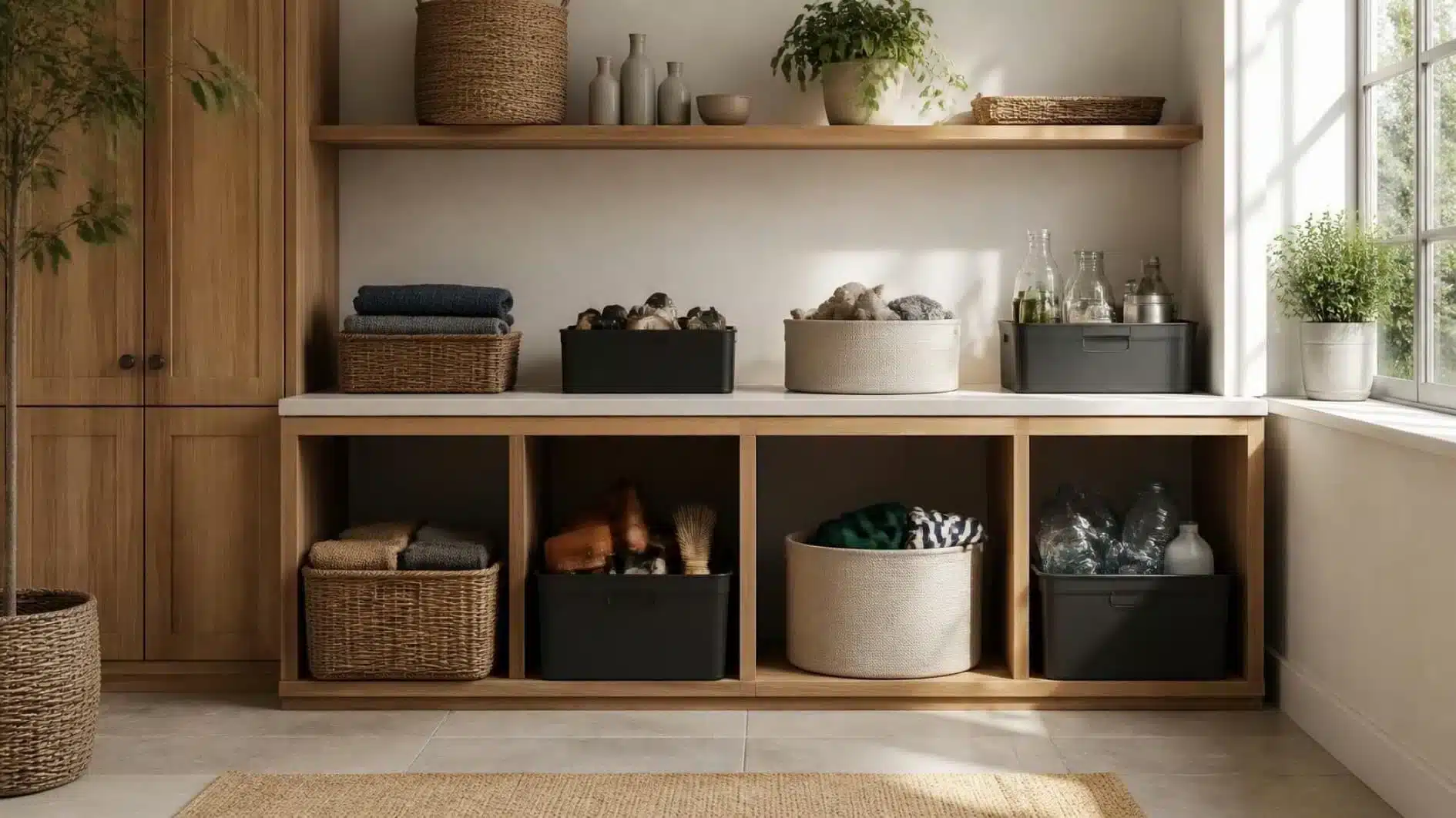
Each week
- Check food that needs using soon.
- Empty recycling according to local rules.
- Notice one repeat disposable item you could reduce.
- Put repairable items aside rather than immediately replacing them.
Each month
- Review one cupboard for duplicate products.
- Repair, sell, donate or responsibly recycle items waiting for attention.
- Check whether a recurring purchase has a practical refill, bulk or reusable alternative.
- Review upcoming household purchases and check second-hand options first.
Common Zero-Waste Mistakes
- Replacing everything immediately. Discarding serviceable items to buy reusable versions can create unnecessary waste.
- Buying a zero-waste aesthetic. Matching jars, bottles and organisers are still products.
- Focusing only on recycling. Prevention and reuse come first in the waste hierarchy.
- Buying bulk quantities you will not finish.
- Assuming second hand means problem-free. Condition, safety and dimensions still need checking.
- Keeping unsafe or unusable items indefinitely.
- Following generic recycling advice instead of local collection rules.
A Simple Zero-Waste Checklist
- Identify your household’s biggest repeat waste category.
- Ask whether the purchase or waste can be prevented.
- Use up suitable products and materials you already own.
- Repair when it safely extends useful life.
- Check second-hand options for durable homeware and furniture.
- Choose refills and concentrates only when the system works in practice.
- Reduce duplicate products, especially in cleaning and storage.
- Check local recycling instructions instead of guessing.
- Review one recurring habit at a time rather than redesigning the household overnight.
Frequently Asked Questions About a Zero Waste Lifestyle
Is a zero waste lifestyle actually possible?
For most households, literal zero waste is not realistic. A more practical goal is to prevent avoidable waste, keep useful products in service longer, reuse where sensible and recycle correctly when materials reach the end of use.
What is the first step towards zero waste?
Look at what your household throws away most often. Choose one high-frequency category and reduce it before buying a large collection of reusable alternatives.
Is buying second hand always more sustainable?
It can extend the useful life of an existing product, but the item still needs to be suitable, safe and in good enough condition to use. Transport, repairs and likely lifespan should also be considered.
Should I throw away plastic containers and replace them with glass?
Not simply for appearance. If a plastic container is still suitable and safe for its intended use, continuing to use it can avoid an unnecessary replacement purchase.
Is recycling the most important part of zero waste?
No. Recycling matters, but the waste hierarchy prioritises prevention and preparation for reuse before recycling.
Do I need to make all my own household products?
No. A lower-waste routine can use well-chosen ready-made products, especially where formulation, hygiene, safety or surface compatibility matter. Reducing duplication and using the correct dose can be more practical than making everything at home.
Aim for Lower Waste, Not Perfect Waste
A zero waste lifestyle becomes more useful when it stops being a performance. Prevent what you can. Keep good objects in use. Repair when it makes sense. Buy second hand when condition is right. Choose new products carefully when new is the better option. Then recycle what remains through the correct local route.
That approach is less dramatic than replacing an entire household with “zero-waste” products, but it is more consistent with circular living: fewer unnecessary inputs, longer useful lives and more deliberate decisions about what enters and leaves the home.
CONSCIOUS CONSUMPTION · CIRCULAR LIVING
Explore Circular Living

Leave a Reply