

NATURAL LIVING · PLANTS & GREEN LIVING
Repotting Houseplants: Pots, Compost and Root Checks
Learn when to repot houseplants, how to assess root growth and choose suitable pots and compost without unnecessary disturbance.
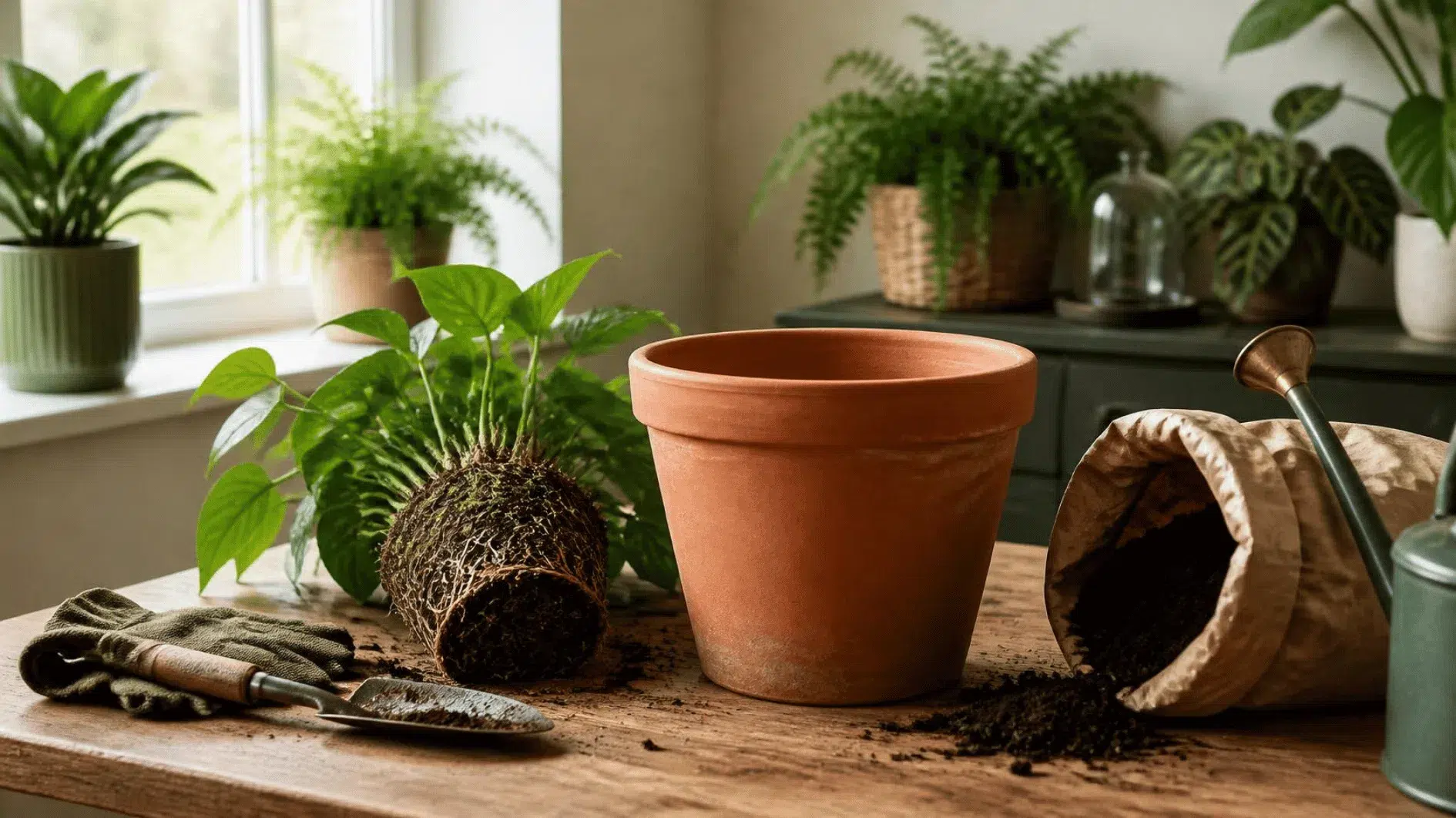
Repotting houseplants is not simply a matter of putting a plant into a larger pot every spring. A good decision begins with its rootball, the current growing medium, the species and the conditions in your home. An unnecessary move can disturb healthy roots without addressing a problem.
This guide explains when repotting may be worthwhile, how to choose a suitable container and medium, and what to observe after the move. It avoids blanket pot-size rules and does not treat leaf discolouration as proof that a plant needs repotting.
The article builds on our houseplant care guide. For deciding when the compost needs water before or after a move, use how to water houseplants.
When Does a Houseplant Actually Need Repotting?
Repotting means moving a plant into a suitable growing medium and, when necessary, a different container. It is not automatically required every spring or as soon as a root appears at the bottom of a nursery pot. The right decision depends on the species, the rootball, compost condition and current growth.
A healthy plant in a suitable container may continue growing without an immediate move. Repotting should solve an identifiable problem, such as exhausted growing medium or significant root congestion, rather than satisfy a decorative impulse. Our houseplant care guide covers the broader light, watering and temperature conditions needed after repotting.
Signs That Repotting May Be Helpful
Potential signs include a rootball tightly packed with circling roots, unusually quick drying because the pot is filled with roots, compost that has broken down badly, or a plant that has become unstable in its container. None of these signs is definitive without examining the species and the rest of its care.
A plant in seasonal rest may not be growing rapidly even when its pot is adequate. Likewise, a yellow leaf or occasional exposed root does not alone prove repotting is required. Check whether a move would improve the actual growing conditions.
Are Roots Showing Through Drainage Holes a Problem?
A small number of roots can grow towards drainage holes without the plant being severely rootbound. Rather than interpreting one visible root as an emergency, look at drainage, growth and the overall density of the rootball when closer inspection is warranted.
If roots are heavily tangled beneath the pot or the plant cannot be removed without damage, proceed cautiously. The solution may involve selecting a suitable new container or seeking species-specific guidance rather than pulling forcibly at the roots.
How to Recognise a Rootbound Houseplant
A rootbound plant has developed a dense mass of roots within its container. Some may circle around the inside and leave relatively little visible growing medium. In severe cases, water may move around rather than through the main rootball and growth can become restricted.
Certain species tolerate a close-fitting pot better than others. Root density should be considered along with plant health and normal growth. Do not assume that every densely rooted plant needs a dramatic pot-size increase.
When Is the Best Time to Repot Indoor Plants?
For many common houseplants grown in British homes, spring and the period of renewed growth offer a practical opportunity to repot. Warmer, brighter conditions may help established plants recover from disturbance, although timing differs among species.
A plant in serious trouble may require attention at another time, but routine repotting in winter can be unnecessary when growth is slow. Use the species guidance, root condition and household conditions to select a sensible time.
Prepare a Clean, Practical Repotting Area
Choose a stable table or work surface that can be cleaned afterwards, with protection suitable for the finish. Gather the new container, appropriate compost and simple tools before lifting the plant out of its pot. Keep a container for old compost and a suitable area for draining water.
Use clean tools and containers, particularly when working with an unhealthy plant. Keep small pieces, tools, fertilisers and potentially irritating plant material away from children and animals. Do not place an unstable, heavy plant on a high surface.
How Much Bigger Should a New Houseplant Pot Be?
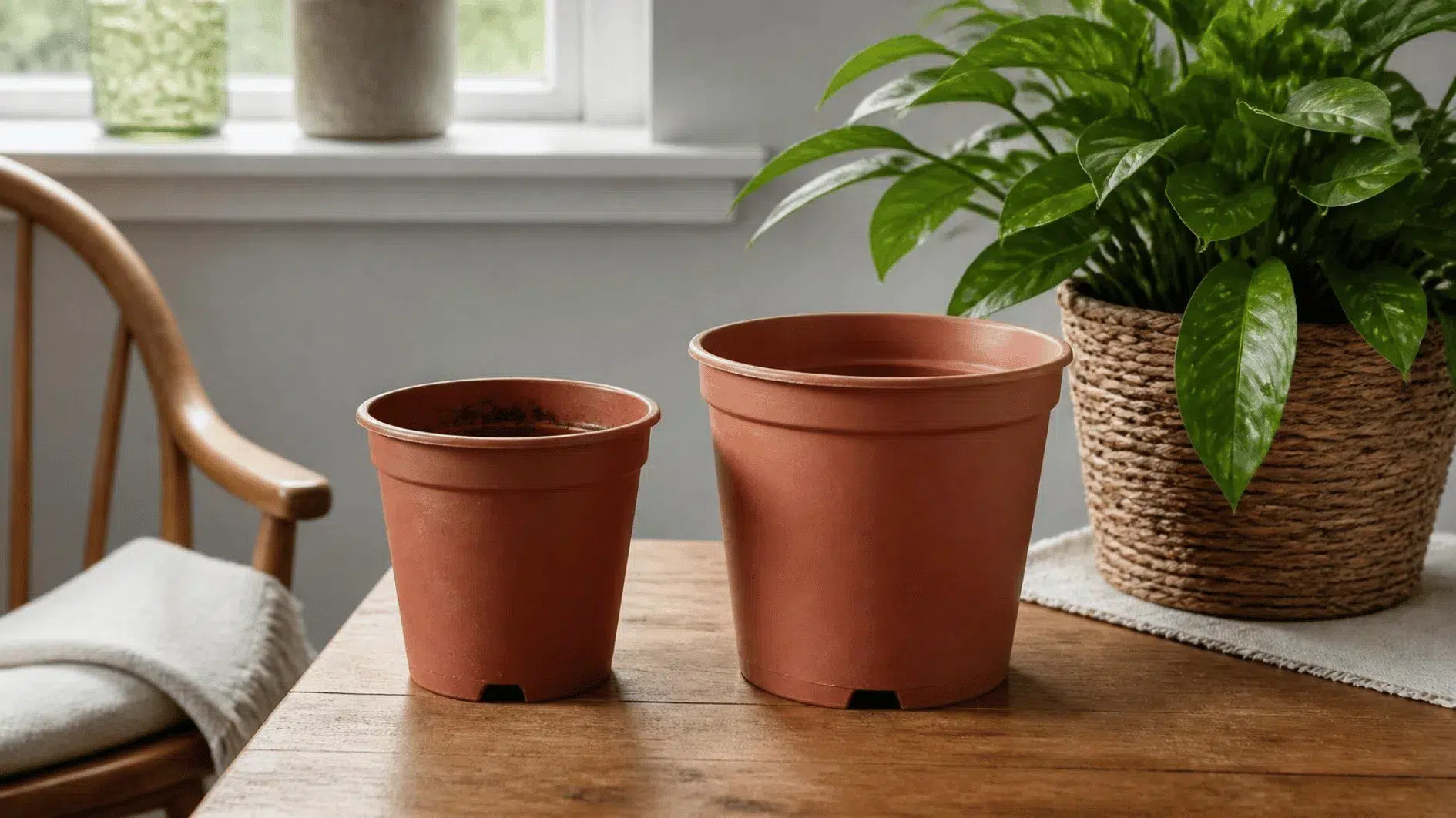
The new container should fit the size of the rootball and the growing conditions. A modest size increase may be appropriate when roots require more space, but there is no one pot diameter that suits every species.
A very large pot can hold an excess volume of wet compost around a small root system. That can complicate watering and root aeration. Measure the existing container and choose the next suitable size according to the plant’s requirements rather than upgrading several sizes for appearance.
Plastic, Terracotta and Glazed Ceramic Pots
Plastic nursery pots, unglazed terracotta and glazed ceramic containers differ in weight, water movement and how they are usually used. Their actual performance depends on thickness, finish, drainage and the location of the plant.
Choose a container that is stable, manageable to lift and suitable for the species and its moisture needs. A decorative ceramic cover pot can surround an inner growing pot when water can be drained and checked safely.
Why Proper Pot Drainage Matters After Repotting
Suitable drainage is important for many conventional houseplants because roots need both water and air. Growing directly in a sealed decorative container without a managed growing system makes excess water difficult to remove.
Look for functioning holes in the inner growing pot and a practical means of collecting and emptying drainage water. Decorative stones beneath compost do not substitute for suitable drainage. Avoid leaving a repotted plant submerged in an outer pot.
Choose Compost That Suits the Plant
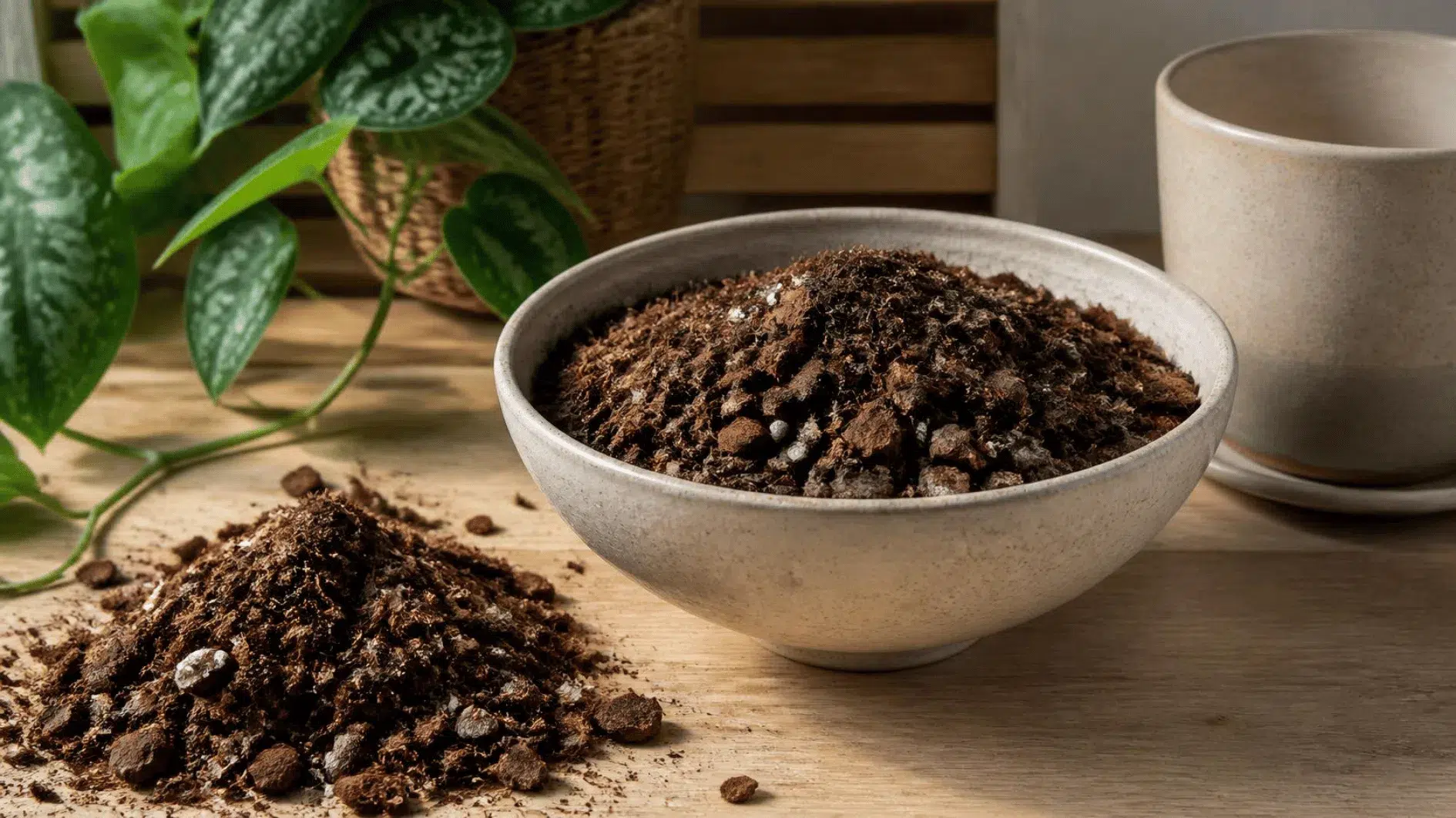
Potting media differ in structure, nutrients and water retention. A standard peat-free houseplant mix may suit many common plants, while some species need a more specialised medium with different drainage or aeration characteristics.
Read botanical guidance for the plant and check the compost manufacturer’s information. The most expensive or chunkiest mix is not automatically best. Matching the medium to the root system is more useful than copying a universal online recipe.
What to Know About Peat-Free Potting Mixes
Peat-free growing media can contain blends of materials such as coir, bark, composted components and other ingredients. Their moisture behaviour may differ from the old medium, so watering expectations may need to change after repotting.
Check whether a particular mix is suitable for the species and read the manufacturer’s directions. Plant performance also depends on light, temperature and drainage; changing medium alone does not repair unsuitable growing conditions.
When a Specialist Growing Medium Is Needed
Orchids, cacti, succulents and some other groups may require a growing medium that is different from ordinary general-purpose houseplant compost. Many epiphytic orchids, for example, are sold in coarse media rather than dense soil-like mixes.
Identify the plant before repotting and seek guidance appropriate to its roots. Never assume that a photograph of bark, perlite or other components establishes the right proportions for every indoor plant.
How to Remove a Plant From Its Old Pot
When the plant is ready, support the rootball and the base of the plant while carefully easing it from the container. A flexible nursery pot may be pressed gently to loosen the sides. Avoid lifting the entire plant by fragile stems or leaves.
If the plant does not release easily, reassess the root condition and container rather than pulling harder. Large, thorny or sap-irritating species may call for protective gloves, assistance or specialist handling.
Inspect the Rootball Without Unnecessary Damage
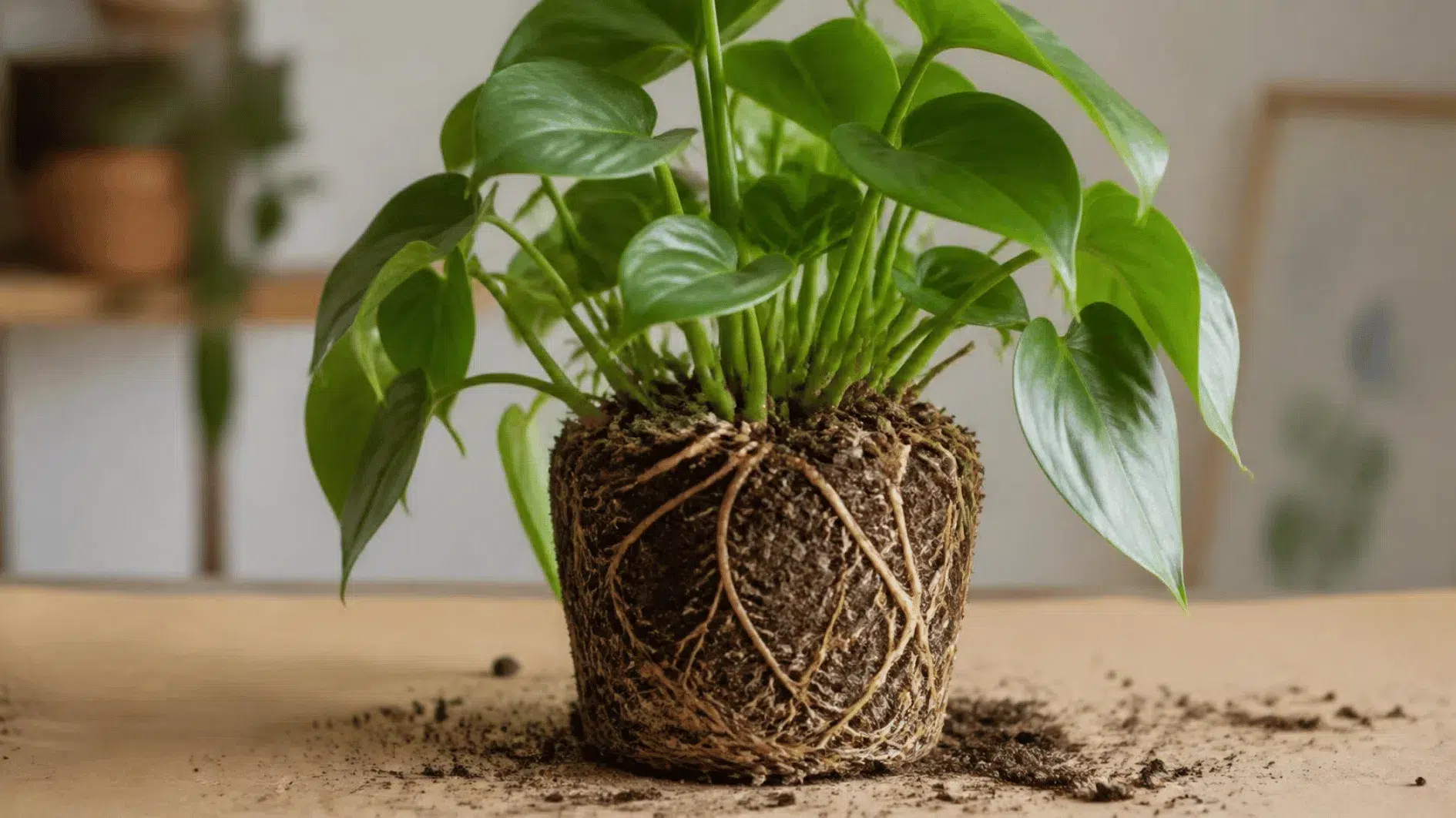
Look at how densely the roots occupy the pot, whether the growing medium is evenly distributed and whether the roots appear healthy for the species. Roots can naturally vary in colour and thickness, so avoid using a simple colour rule as a diagnosis.
When a plant is healthy, extensive teasing or washing of the roots may not be needed. Investigate particular concerns such as soft decayed tissue, persistent bad odours or waterlogged compost with a reliable plant-health reference.
What to Do With Circling or Tangled Roots
Some rootballs can be gently loosened at the outer surface when moving to an appropriate new pot, but roots should not be aggressively pulled apart or cut without a reason. The method depends on the species and the extent of congestion.
A severely compacted rootball may require more considered handling. If you are uncertain, follow botanical guidance or seek advice from a competent nursery rather than treating every root in the same way.
Repotting a Plant With Suspected Root Rot
Persistent wetness, collapsing growth and roots that appear soft or decayed can raise concern about root problems. Repotting alone will not necessarily correct the cause if light, pot size, watering and the medium remain unsuitable.
Avoid treating dark root colour as definitive evidence of disease, because some species naturally have dark roots. Use species-specific plant-health guidance and clean equipment where disease is suspected. Severe cases may need more than routine repotting.
Keep the Plant at an Appropriate Depth
A plant should generally be placed at a depth appropriate to its species and prior growing habit. Burying stems or crowns that need to remain exposed can create problems, while leaving roots insufficiently covered can also be unsuitable.
Check the species guidance before changing the planting level. Position the rootball in the new pot with space for the chosen medium and normal watering, rather than filling the pot to the very rim.
Fill Around the Rootball Without Excessive Compaction
Use the appropriate fresh medium to support the plant in its new container. Fill gaps gradually and gently settle the material so the plant is stable, while avoiding excessive compression that reduces useful air spaces.
Make sure the plant is upright and the container is secure. A heavy top growth may require an appropriately weighted or supported pot, but stability must not be achieved by burying the stem too deeply.
Should You Water Immediately After Repotting?
Watering advice after repotting depends on the species, the condition of its roots, the state of the medium and the method used. Many conventional houseplants are watered appropriately to settle the medium, but this is not universal for all succulents, orchids or damaged-root situations.
Follow reliable instructions for that plant and let suitable excess water drain. Do not leave the new pot soaking simply because the compost is fresh. Our how to water houseplants guide
What to Expect After Repotting
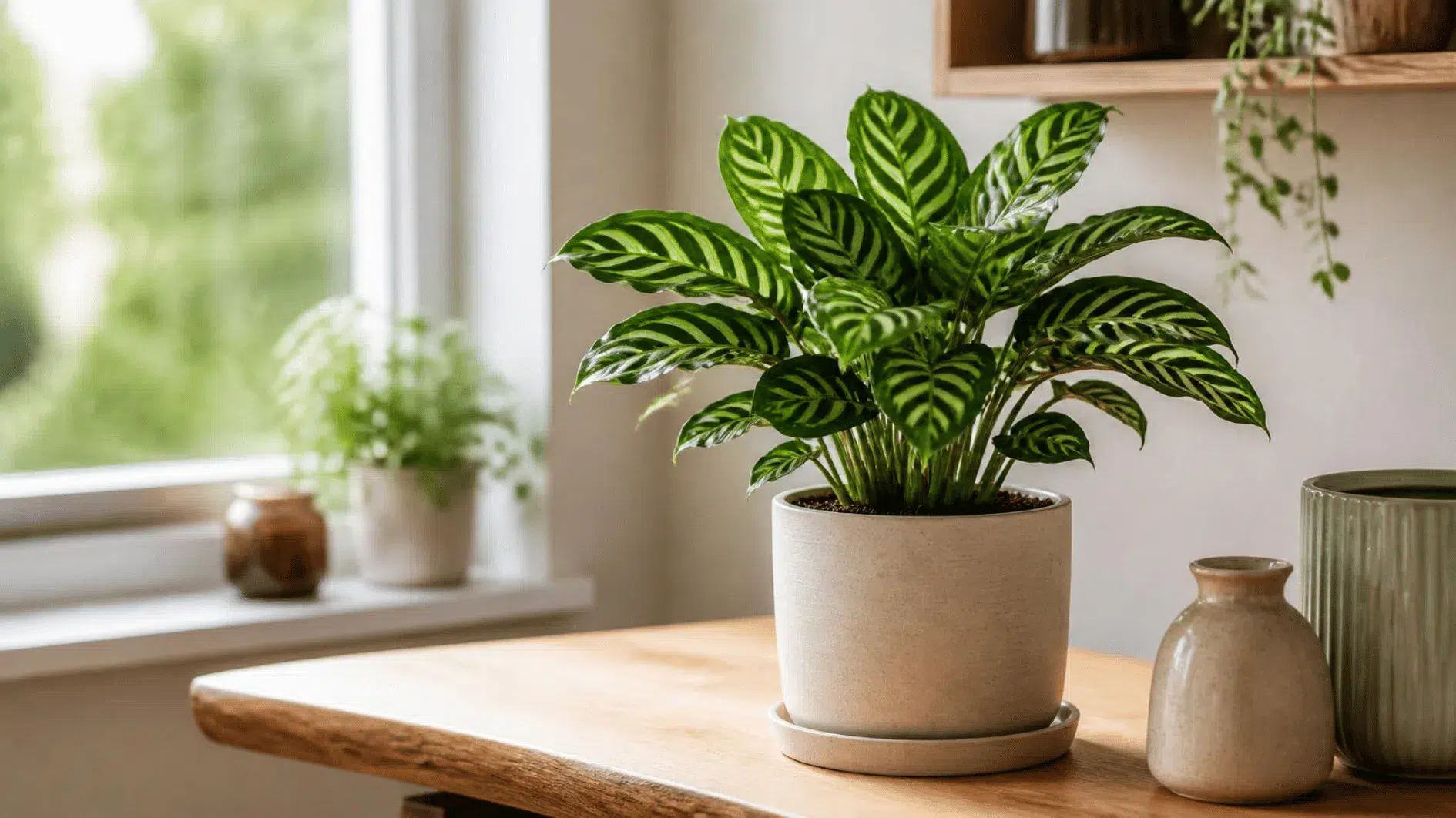
A repotted plant may take time to adjust, particularly if many roots were disturbed or the light and temperature also changed. Maintain appropriate conditions and observe new growth rather than repeatedly inspecting or pulling the rootball back out.
Do not automatically increase feeding or watering to force recovery. If the plant shows significant decline, reassess the roots, compost, temperature and light rather than making several new changes at once.
Avoid Excess Feeding Immediately After Repotting
Fresh potting medium may already contain nutrients, and stressed roots may not benefit from extra fertiliser. Follow the compost, plant and feed manufacturers’ instructions instead of combining new compost and strong nutrient products without a reason.
Healthy light, temperature and water conditions should come first. Excess fertiliser can introduce further stress and make it harder to identify the original cause of poor growth.
When Top-Dressing May Be Better Than Repotting
Some large, established plants may not need or tolerate frequent full moves. In appropriate situations, replacing part of the worn surface growing medium without disturbing the whole rootball may be considered.
Top-dressing is not a remedy for serious root congestion, failing drainage or decayed roots. Use the plant’s needs, container and suitable horticultural guidance to decide whether this limited maintenance makes sense.
Repotting Large Indoor Plants and Trees
Large houseplants can be difficult to move safely. Account for the weight of the pot and wet compost, floor protection, door widths and whether a helper is necessary before starting.
Do not lift heavy pots beyond your ability or place them on unstable furniture. If the roots and medium require work, a knowledgeable gardener or plant-care professional may offer safer options for a large specimen.
Repotting Small Plants and Cuttings
Small rooted plants do not usually need very large pots at the beginning. An appropriately sized container can make monitoring moisture easier, provided it supports the roots and meets the species’ drainage needs.
Cuttings may have different needs from established plants, including the timing of their move from propagation medium. Follow the method appropriate to the individual species and avoid damaging fragile new roots.
UK Seasonal Considerations After Repotting
A plant repotted during brighter spring growth may behave differently from one disturbed during a cold, dark spell. Window aspect, heating, draughts and daytime temperatures can all affect water use and adjustment.
Keep an eye on the plant’s real environment and avoid sudden extremes in light or temperature. The correct response depends on species and the extent of root disturbance, not simply the month printed on the calendar.
When Repotting Will Not Fix a Plant Problem
Yellow leaves, wilting or brown tips do not prove that a plant needs a larger pot. Light deficiency, incorrect watering, cold exposure, pests or normal ageing can produce similar symptoms.
Investigate the cause before disturbing the roots. For persistent problems, consult the RHS guide to helping a poorly houseplant and reliable species-specific information. Our forthcoming Yellow Leaves on Houseplants guide will provide additional troubleshooting checks.
Check Used and Decorative Pots Carefully
A previously used container may be serviceable when its structure and drainage are sound. Clean it appropriately before reuse and check for cracks, unstable bases and sharp edges that could damage roots or cause spills.
If a decorative pot has no drainage, use it as an outer cover for a suitable growing pot where appropriate. Avoid using coatings or adhesives that are incompatible with water, plants or household safety.
Repotting Safety Around People and Pets
Plant sap, sharp leaves, compost dust, heavy containers and stored fertilisers can present household concerns. The risks vary by plant and material, so use appropriate precautions rather than assuming natural products are harmless.
Choose a stable working area, wash hands appropriately and clean up loose growing medium. Some indoor plants are toxic if eaten. Keep them and any associated treatments away from children and animals who may be at risk.
Repotting Problems: What to Check First
If a newly potted plant wilts, loses leaves or remains excessively wet, consider how much its roots were disturbed, the pot’s dimensions, drainage, compost and the surrounding temperature. The visible symptom alone rarely establishes a cause.
Avoid repotting the same plant repeatedly within a short period without evidence that the growing conditions require it. A systematic check is usually more informative than changing compost and watering again and again.
| After repotting you notice | Possible factors | Check first |
|---|---|---|
| Wilting foliage | Disturbed roots, too dry or waterlogged medium | Moisture, drainage and recent handling |
| Compost remains wet | Oversized container or moisture-retaining mix | Species, rootball size and pot |
| Plant leans or wobbles | Unstable pot or poorly supported rootball | Pot stability and planting depth |
| Yellow lower leaf | Ageing or several environmental stresses | Pattern, light, water and timing |
| Rapid drying | Root crowding or coarse medium | Rootball, medium and room warmth |
| Little growth | Seasonal rest, light or root adjustment | Species, season and conditions |
Common Houseplant Repotting Mistakes
Typical mistakes include choosing a pot far too large, using an unsuitable growing medium, removing healthy roots unnecessarily and burying stems or crowns too deeply. Treating an isolated yellow leaf as proof of root congestion can also lead to pointless disturbance.
Other problems include leaving standing water in decorative containers, repotting without considering winter conditions and applying strong fertiliser immediately. Make a single appropriate change and observe the result.
A Practical Houseplant Repotting Checklist
Identify the species and confirm why a move is needed. Check the rootball, pot size, suitable medium and available growing conditions before starting. Prepare a clean work area and keep the plant supported as it is moved.
Once the plant is placed correctly, maintain appropriate light and temperature, follow its watering guidance, allow suitable drainage and observe growth without unnecessary repeated disturbance.
- Identify the plant and the reason to repot.
- Check root density, growth and the condition of the medium.
- Choose a suitable pot with workable drainage.
- Select compost appropriate to the species.
- Prepare a safe clean surface and suitable tools.
- Lift and inspect the rootball gently.
- Place the plant at a suitable depth and support it.
- Follow species-specific watering instructions and empty excess water.
- Observe new growth and changing moisture needs.
Frequently Asked Questions About Repotting Houseplants
How often should I repot? There is no universal interval: inspect root development, compost and the plant’s health. Should I choose a much bigger pot? Usually choose a modest increase only where needed. Do all plants need the same compost? No; species and roots vary.
Can I repot in winter? Routine repotting often suits an active growth period, although urgent plant problems can require attention at other times. Should I water immediately? Follow guidance for the species, root condition and growing medium.
How often should I repot houseplants?
There is no universal timetable. Consider species, root density, growing medium and whether the container is still working well.
Should the new pot be much larger?
A modest increase is generally more manageable where roots need space. An oversized pot may stay wet around a small rootball.
Can I repot in winter?
Many plants are more easily managed in an active growth period, but a serious plant-health issue may require action at another time.
Do houseplants need drainage holes?
Many conventional growing pots benefit from suitable drainage. An outer decorative cover pot can be used when pooled water is safely managed.
Do I need to remove all the old compost?
Not necessarily. Extensive root disturbance is often unnecessary for a healthy plant; follow guidance for the species and the reason for repotting.
Repot With a Reason and Care for the Roots
The best repotting decisions begin with an actual need, not a new pot on a shopping list. Understand the species, choose suitable compost and container dimensions, and handle roots with care.
A correctly positioned plant with an appropriate root environment is easier to maintain over time. When the existing pot is still working well, leaving the plant alone may be the most helpful choice. When a larger pot is needed, explore our planters.

Leave a Reply