

NATURAL LIVING · PLANTS & GREEN LIVING
How to Water Houseplants: Moisture Checks and Seasonal Care
Check root-zone moisture, water appropriately and adapt care to the plant, pot and changing conditions in a British home.
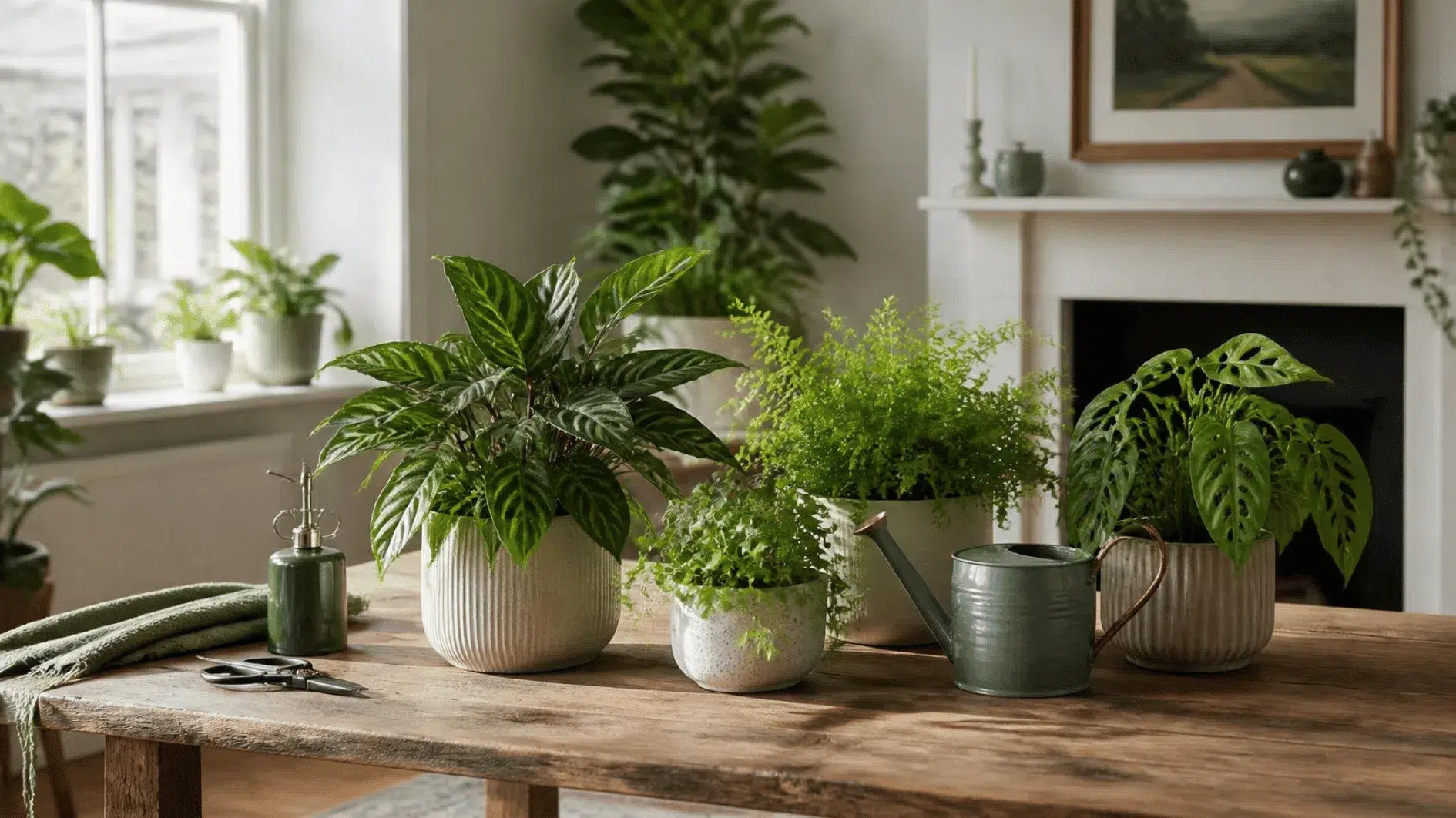
Watering houseplants well begins with checking what the plant needs, not counting the days since your last use of the watering can. A pot near a bright British window can dry differently from an identical pot in a cooler room, while compost, root growth and season continually change the pattern.
This guide explains how to assess moisture, use drainage, interpret warning signs carefully and adjust watering through the year. It emphasises simple observation over strict schedules or specialist accessories.
This is a focused supporting article for our houseplant care guide. For plant selection and interior placement rather than watering, see indoor plants.
How to Water Houseplants Without Guessing
The right time to water depends on the plant, the compost and the conditions of its room. An automatic weekly schedule does not take account of species, light levels, roots and seasonal changes. Checking first is the most useful habit.
A regular reminder can prompt you to inspect the plants, but that inspection may end with no watering. Aim to keep the roots in suitable conditions rather than to complete a routine action.
Identify the Plant and Its Water Requirements
Different houseplants tolerate very different amounts of moisture. Some require more consistently moist medium while others need periods of drying. Generic advice for a cactus or succulent may be wrong for a tropical foliage plant.
Keep the botanical name and follow reputable species-specific guidance. The words easy care do not establish a particular watering frequency, and plants with similar-looking leaves can behave differently.
How Often Should You Water Houseplants? Why Fixed Intervals Fail
A pot may dry quickly in a bright, warm room but remain damp much longer in weak light. Root size, growing medium, humidity and the proportion of unused compost also affect the interval.
Use the calendar to remember to check, not to dictate the same volume and day for every plant. Reassess after moving a plant or changing its pot, especially during autumn and winter.
Check Moisture Beneath the Compost Surface
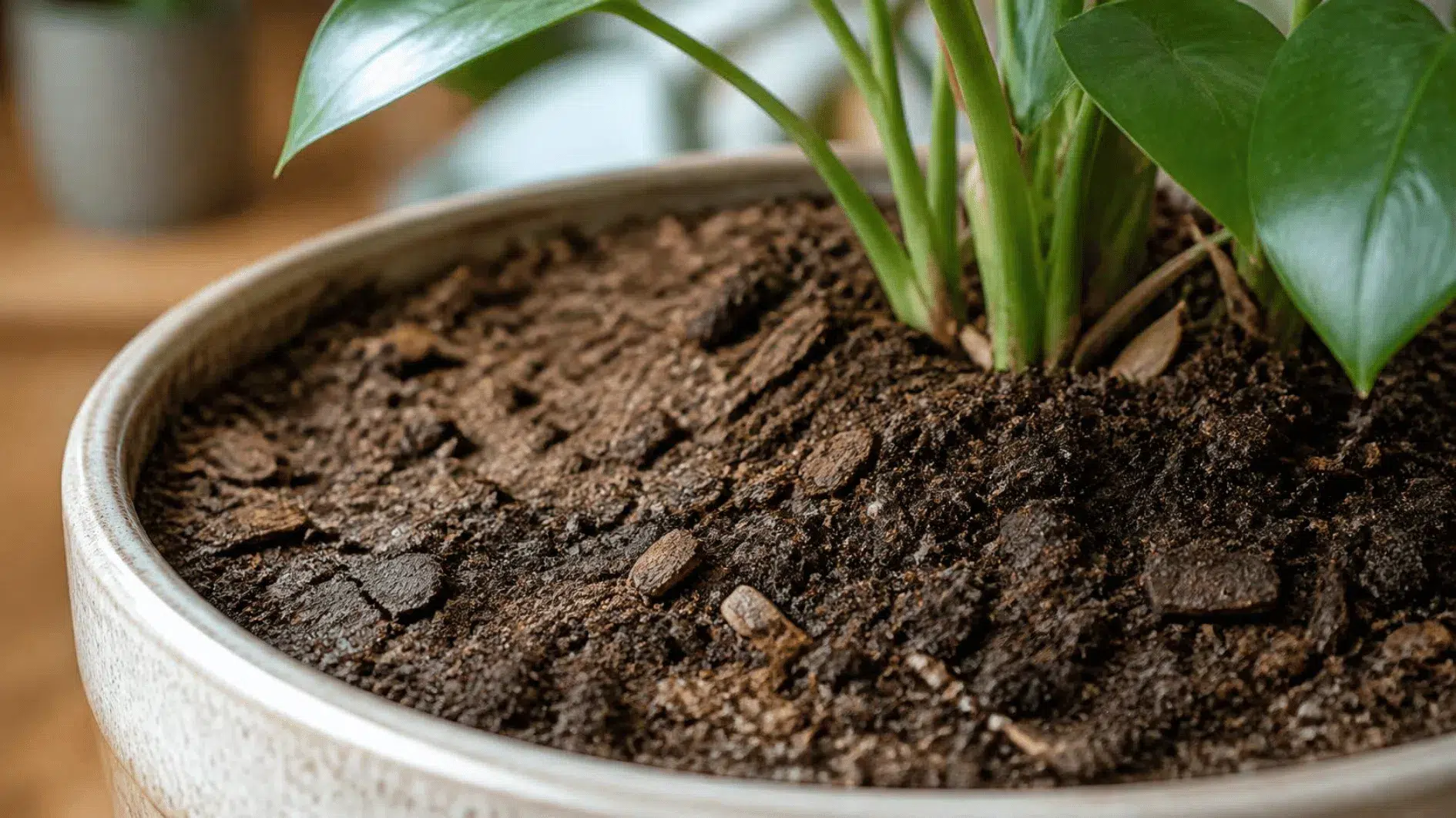
The top of the compost may look dry while deeper layers remain wet. A careful finger check or other suitable moisture assessment below the surface is often more informative than judging colour alone.
Choose the depth of the check according to pot size and the plant’s roots. Do not force a probe through a delicate root system, and consider several clues rather than trusting one reading.
Use Pot Weight as Another Clue
A removable nursery pot can feel lighter when the growing medium dries. After you have compared its weight following watering and proper drainage, this may help you recognise a familiar pattern.
A heavy ceramic cover pot or an unusually large plant makes this technique less dependable. Pot weight is supporting evidence, not an exact measurement of the moisture around all roots.
Do Not Diagnose Water Needs From Leaves Alone
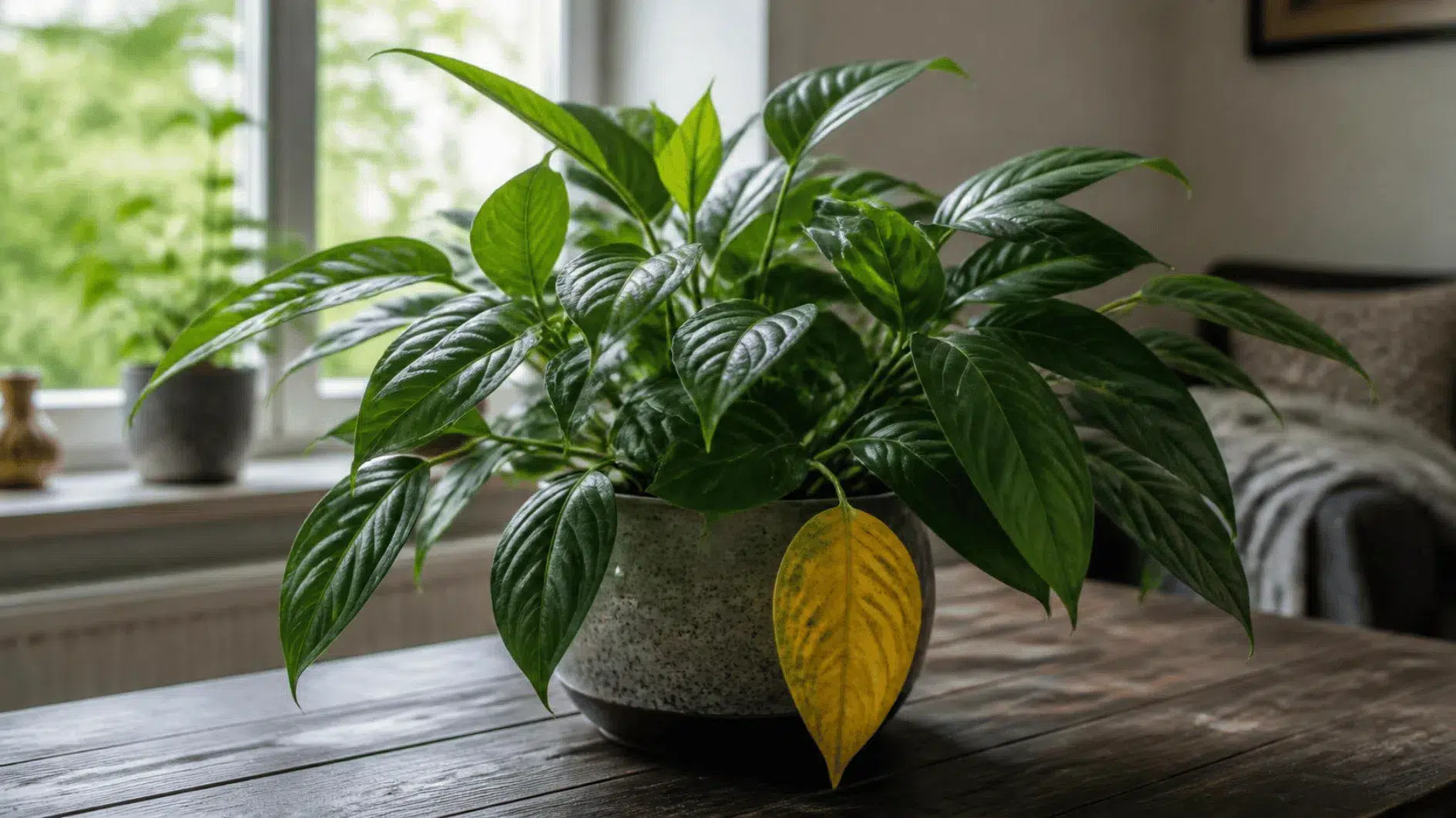
Wilting, yellowing and brown edges can appear when a plant receives too little water, but similar symptoms may arise when roots are damaged by waterlogging or other stresses.
Check the compost and drainage before immediately adding water. A single older leaf may also be ageing naturally. Consider where the damage appears and what has changed recently.
Keep Watering Tools Simple and Practical
A watering can with a controllable spout and a suitable draining area are enough for many houseplants. A saucer can help catch water if it is checked and emptied appropriately.
Decorative globes, self-watering accessories and electronic meters are optional. Before relying on a device, test how it affects the actual compost moisture and whether the system suits the species.
Water Thoroughly When Water Is Actually Needed
With many conventionally potted houseplants, slowly watering the medium so some moisture drains from the base can help wet more of the rootball. This is not universal advice for specialised growing systems.
Apply water with control, allowing time to absorb it rather than washing compost over the rim. Very dry or hydrophobic media may need particular rewetting guidance, and the plant’s own care instructions should take priority.
Allow Excess Water to Drain
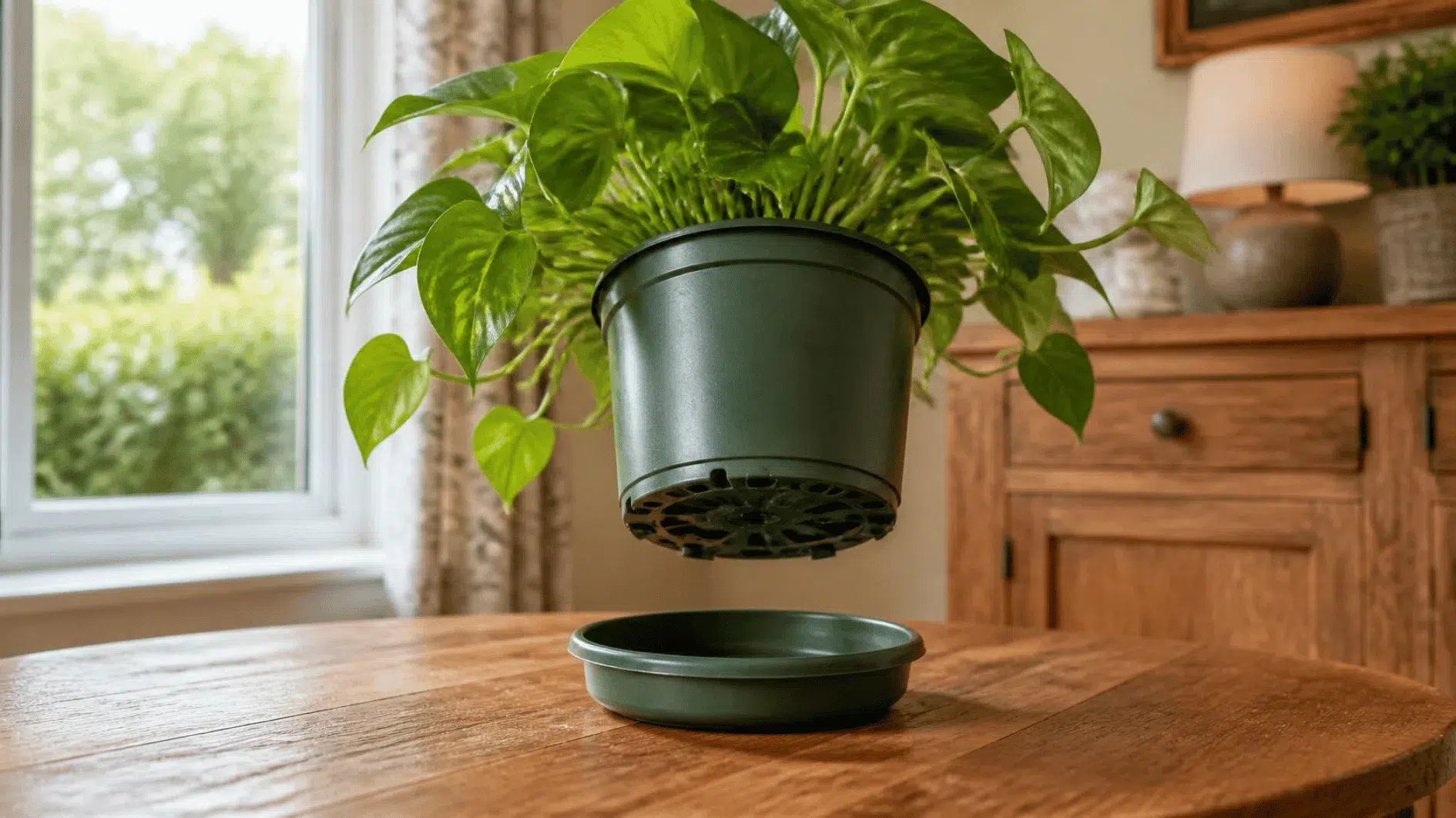
Roots need a suitable balance of water and air. Drainage holes help water escape, but do not by themselves prevent problems if already wet compost is watered repeatedly.
After appropriate watering, empty excess water from saucers and outer pots. Do not assume roots benefit from sitting continuously in water unless the growing system is specifically designed and managed that way.
Compare Top Watering and Bottom Watering
Top watering is common for standard containers. Some growers use bottom watering, in which a drained pot temporarily takes up water through its base, followed by removal and proper drainage.
Neither method is perfect for every species or growing medium. Pot height, compost characteristics and the chance of accumulated salts matter. Avoid soaking plants indefinitely or changing methods without a reason.
Check Water Hidden Inside Decorative Pots
An attractive ceramic or woven cover pot may have no hole, even when the nursery pot inside drains freely. If excess water collects between the containers, roots can remain wetter than intended.
Remove or inspect the inner pot where practical and empty the outer container after watering. A gravel layer at the bottom of a closed pot is not a reliable replacement for proper drainage.
How Compost Changes Watering Decisions
Fine, moisture-retaining compost can dry differently from a coarser, more open mix. The appropriate structure depends on the plant and its root needs, not a universal preference for chunky or dense compost.
After repotting in a new medium, assume that the old watering interval may no longer work. Assess the actual moisture and avoid using fertiliser to compensate for poor compost conditions.
Pot Size and Material Influence Drying
Pot dimensions affect how much compost surrounds the roots. A very large new pot can hold a wide volume of wet growing medium around a small root system, while a small established pot may dry quickly.
Plastic, terracotta and glazed ceramics also behave differently depending on their design and position. Rather than using one rule for a container type, check the medium in the specific pot you own.
Roots Need Air as Well as Water
Plant roots depend on suitable aeration and moisture to function. Persistently saturated growing medium can contribute to root problems, while prolonged dryness can prevent the plant from taking up enough water.
A plant that remains wilted after repeated watering deserves further inspection. Check the pot, drainage and conditions rather than automatically increasing the watering frequency.
Recognise a Plant That May Be Too Dry
Very light pot weight, dry compost well below the surface and drooping leaves together can point towards a lack of water. None of those signs alone is definitive.
Rewet the growing medium carefully using species-appropriate guidance. If water rushes through an extremely dry mix without soaking it, the rootball may need a different measured approach rather than repeated uncontrolled flooding.
Recognise a Plant That May Be Too Wet
Compost remaining saturated for an unusually long time, water pooling in a cover pot or a declining plant can indicate poor drainage or excessive watering. Other causes remain possible, so check before intervening.
Review the light, pot size and growing medium. Root decay requires targeted plant-health advice, not an indiscriminate application of fertiliser or more water.
How to Water Houseplants in UK Winter
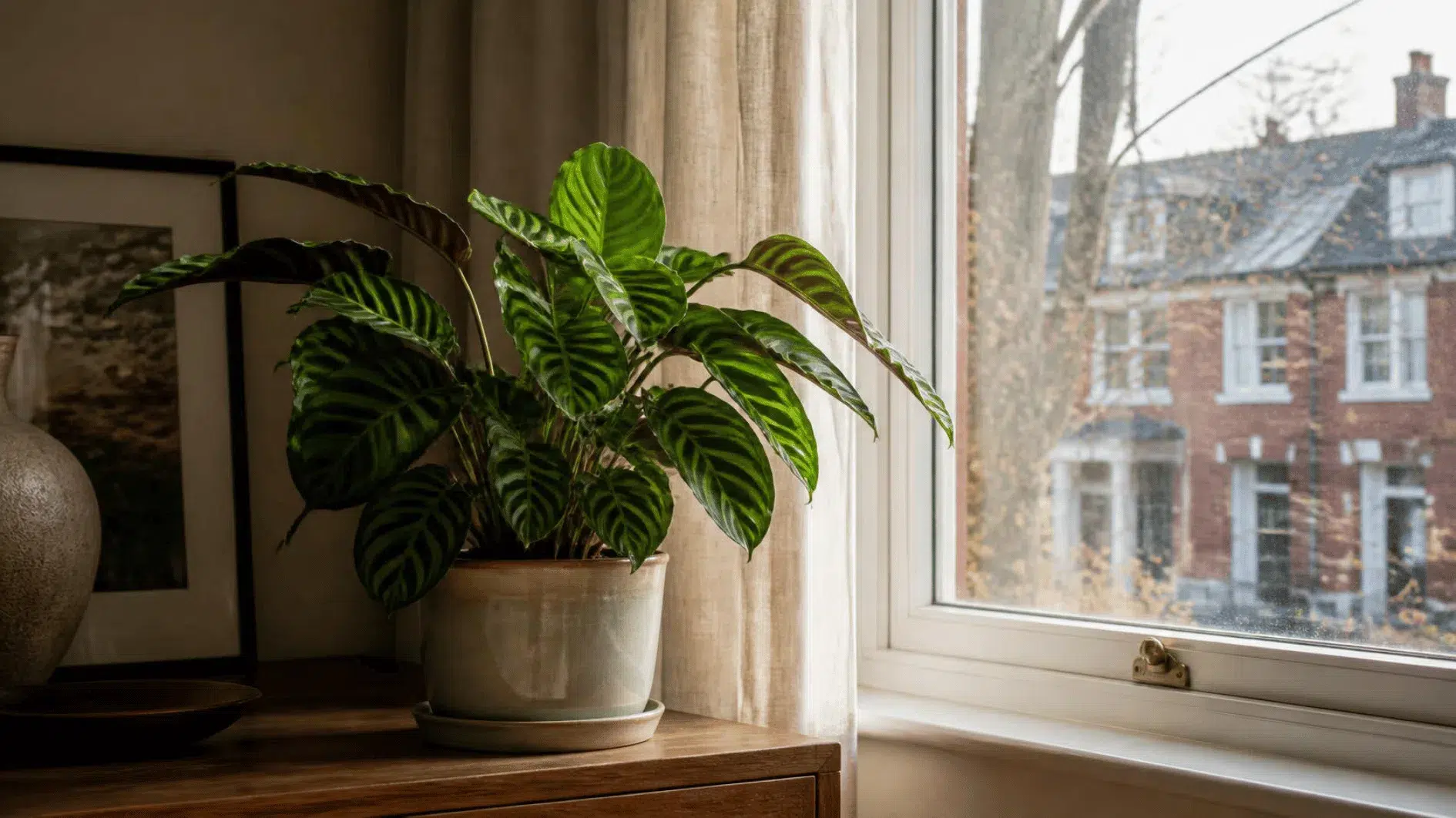
Reduced daylight often slows the growth and water use of many indoor species. A plant that needed frequent checks in summer may take longer to dry in December, although centrally heated rooms vary.
Keep inspecting moisture instead of following the exact summer timetable. Pay attention to cold windows and draughts, and do not leave saturated compost around roots of cold-sensitive plants.
Watering During Warm, Bright Summer Weather
Long days and warmth may increase water use for actively growing plants. Rooms with strong sun, open windows or different window shading can alter how quickly a pot dries.
Increase the frequency of moisture checks when necessary rather than indiscriminately pouring more water into every container. Protect species that are unsuited to intense direct sunlight.
Radiators, Warm Rooms and Water Demand
A warm room may dry some pots more quickly, but direct radiator heat can stress foliage. Crispy edges are not proof that the entire plant simply needs more frequent watering.
Keep plants at suitable distances from heating equipment and do not block radiators or ventilation. Address temperature and compost moisture as separate factors before changing a routine.
What to Do With a Newly Purchased Plant
A plant arriving from a nursery may have unknown moisture in its compost and may be adjusting to different light and warmth. Watering it immediately because it is new may not be necessary.
Check the actual medium and its species guidance first. Avoid changing the pot, feed, location and watering simultaneously unless there is a compelling plant-health reason.
Watering After Repotting
Moving a plant to different compost or a larger container changes the volume and distribution of moisture around its roots. The familiar watering interval from its old nursery pot may cease to be relevant.
Follow the repotting method and the individual plant’s guidance, then monitor the new setup. Our forthcoming Repotting Houseplants guide will look at roots, compost and sensible pot sizes.
Houseplant Watering Before a Holiday
A short absence may matter to a small fast-drying plant but not to a slower-growing one in a cool location. Check species, medium, pot and predicted household conditions before deciding what help is needed.
If another person will care for your plants, leave instructions on testing compost rather than ordering automatic watering. Test any self-watering equipment before you leave and protect furniture from leaks.
Do Bathroom Houseplants Need Less Water?
Bathroom air may be humid after showers, but the room might also be cool, poorly lit or well ventilated at other times. Relative humidity alone does not establish the condition of the potting compost.
Use the plant’s growing requirements to choose a position and water according to the root zone. A dark bathroom is not automatically a suitable place for an ordinary foliage plant.
Misting Is Not a Substitute for Watering Roots
Spraying leaves does not provide the same water as properly moistening compost around roots. Some plants also dislike persistent wet foliage, especially in cooler or poorly ventilated conditions.
If the plant has a genuine humidity requirement, check reputable species guidance and the household’s ventilation before using new equipment. Do not create condensation or building damp in the name of plant care.
Watering and Fungus Gnats
Small dark insects around compost may be fungus gnats, although correct identification is important. Some infestations coincide with persistently damp medium, but other plant and pest factors may be involved.
Do not withhold essential water from a species that requires moisture. Check drainage, identify the insect and follow targeted advice rather than relying on an extreme drying rule for every plant.
Use Plant-Care Products and Equipment Safely
Keep watering cans, fertilisers, pest-control products and tools where children and pets cannot access them inappropriately. Some houseplants can themselves be harmful if eaten.
Never add household cleaning chemicals to plant water or mix products without authorised instructions. For an exposure or ingestion concern, seek appropriate medical or veterinary guidance promptly.
Water Plants Without Damaging Furniture or Flooring
Water escaping through pots can mark oak, carpet and other floor finishes. Use an appropriate draining area and stable saucers or trays, and check the underside of decorative pots after watering.
Avoid carrying overly heavy wet plants in a way that could cause injury. Keep pathways clear, and do not place containers where water could reach electrical equipment.
Watering Decisions at a Glance
Different observations require different first checks. A dry surface does not always mean a dry rootball, and wilted foliage may arise from damaged roots in wet compost.
The comparison table below offers questions to investigate, not a diagnosis. The plant’s species, season and full condition should inform any action.
| Observation | Possible issue | Useful first check |
|---|---|---|
| Dry-looking surface | Deeper medium may remain wet | Check moisture below the surface |
| Light pot | Compost may be relatively dry | Check species and root-zone moisture |
| Wilting foliage | Possible insufficient water or impaired roots | Inspect medium and drainage |
| Water inside cover pot | Drainage water has collected | Empty as appropriate and check roots |
| Unusually long drying time | Too much wet medium or lower light | Review pot size, compost and position |
| Insects near compost | Possible fungus gnats or another pest | Identify the insects and review moisture |
Common Mistakes When Watering Houseplants
Common errors include watering every pot on the same weekday, interpreting all yellow leaves as thirst, ignoring standing water in cover pots, and treating a much larger pot as automatically better.
It is also easy to rely too heavily on an untested watering globe or to apply fertiliser before checking roots. Focus on what the plant actually needs instead of adding new products to an uncertain problem.
A Simple Houseplant Watering Checklist
A regular inspection can be short. Identify the plant, assess the compost moisture, consider the pot and seasonal conditions, and look for changes in healthy new growth.
Water only when appropriate, allow suitable drainage and empty accumulated excess water. Recheck after a move, repotting, unusual weather or a noticeable change in growth.
- Identify the plant and its specific moisture requirements.
- Check compost below the surface as appropriate.
- Review pot weight, growth, temperature and light.
- Confirm appropriate drainage and check cover pots.
- Water carefully only when required.
- Allow excess water to drain and empty pooled water.
- Adjust your checks after moving or repotting and as seasons change.
Frequently Asked Questions About Watering Houseplants
There is no standard interval for all indoor plants, and a surface that looks dry is not proof that the root zone needs moisture. A drainage hole also does not make it impossible to overwater.
Yellow or wilting leaves should trigger a moisture, drainage and root check rather than an immediate extra watering. Winter growth changes may alter the interval, but species and room conditions remain decisive.
How often should I water indoor plants?
There is no universal schedule. Species, light, potting medium, warmth and root growth affect how quickly moisture is used.
Can you overwater a pot that has drainage holes?
Yes. Drainage helps, but repeated watering of already wet compost can still leave roots in unsuitable conditions.
Is misting enough to water a houseplant?
No. Misting leaves does not replace appropriate watering of the growing medium around roots.
Should I water less in winter?
Many plants use less water in shorter daylight, but actual moisture and species requirements should guide adjustments.
Learn the Moisture Pattern of Each Plant
The most useful watering knowledge comes from observing one plant in one real position. Over time, you can recognise how its medium dries, how the leaves respond and what changes between summer and winter.
Keep the process simple and specific. A care routine that sometimes ends with doing nothing can be exactly the right routine.

Leave a Reply