

NATURAL LIVING · PLANTS & GREEN LIVING
Houseplant Care: A Practical Guide to Healthy Indoor Plants
Understand light, moisture, pots and growing conditions so your indoor plants receive the care they need rather than a rigid routine.
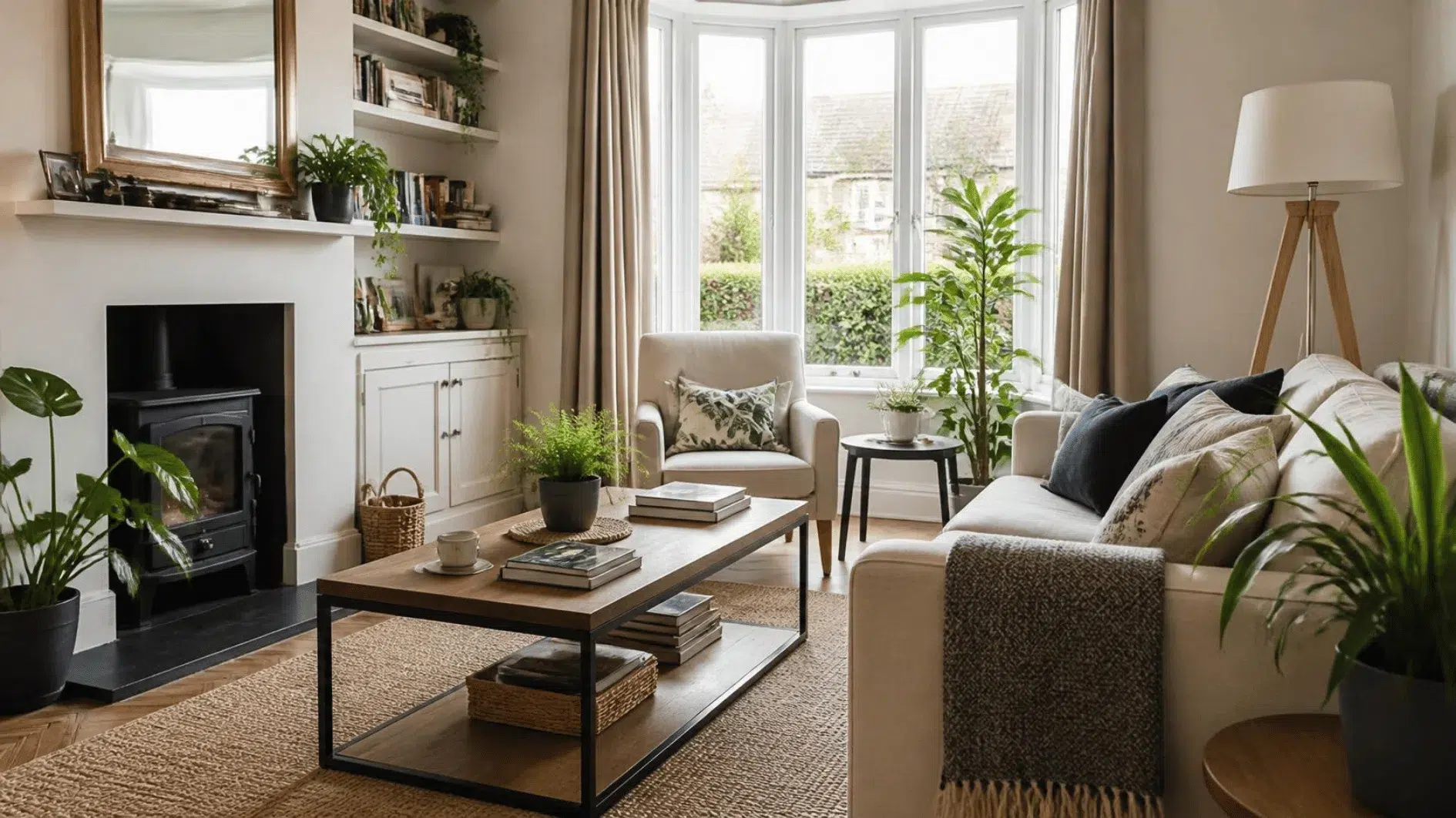
Houseplant care gets easier when you stop treating every plant alike. Light, temperature, potting compost, roots and watering interact, and the conditions in a British home can change considerably between summer and winter.
This guide explains how to check moisture levels, identify unsuitable placement, look after roots, and recognise problems without guessing at a single cause. It is intended for practical ownership, not a collection of specialist products or a rigid feeding and watering calendar.
If you are deciding what to grow rather than caring for a plant you already own, begin with our indoor plants guide, which covers choosing and arranging greenery for a home.
Indoor Plant Care Begins With Suitable Growing Conditions
A houseplant depends on light, water, a suitable growing medium and a workable temperature. These needs vary by species and season. The most useful care routine begins with observing the plant in its actual position rather than taking a fixed set of actions every week.
Plants also change as they grow. A small recently purchased plant may respond differently from an established specimen with a large root system. Begin by keeping the original plant label and identifying what you have before copying advice meant for a different species.
Identify Your Houseplant Before Following Advice
Names such as indoor palm, tropical foliage or easy-care houseplant cover many unrelated plants. Two plants with similar leaves can need quite different amounts of direct sun and moisture. The botanical name is usually a more reliable starting point.
Check a reputable species profile and note its placement, growing medium, and temperature requirements. If identification is uncertain, ask a knowledgeable nursery or consult dependable botanical references before attempting unusual pruning, feeding or propagation.
Assess the Conditions Where Your Plant Will Live
Look at the room in the morning, around midday and later in the afternoon. Notice sunlight, reflected light, heating, cold draughts and furniture that might block a window. An attractive corner in a styled photograph may provide too little light in an actual British home.
A plant should also be stable and accessible. Avoid narrow routes, unstable shelves, hot equipment and places where the pot is repeatedly knocked. A practical position needs to work for both the plant and the occupants.
Give Each Plant the Light It Actually Needs
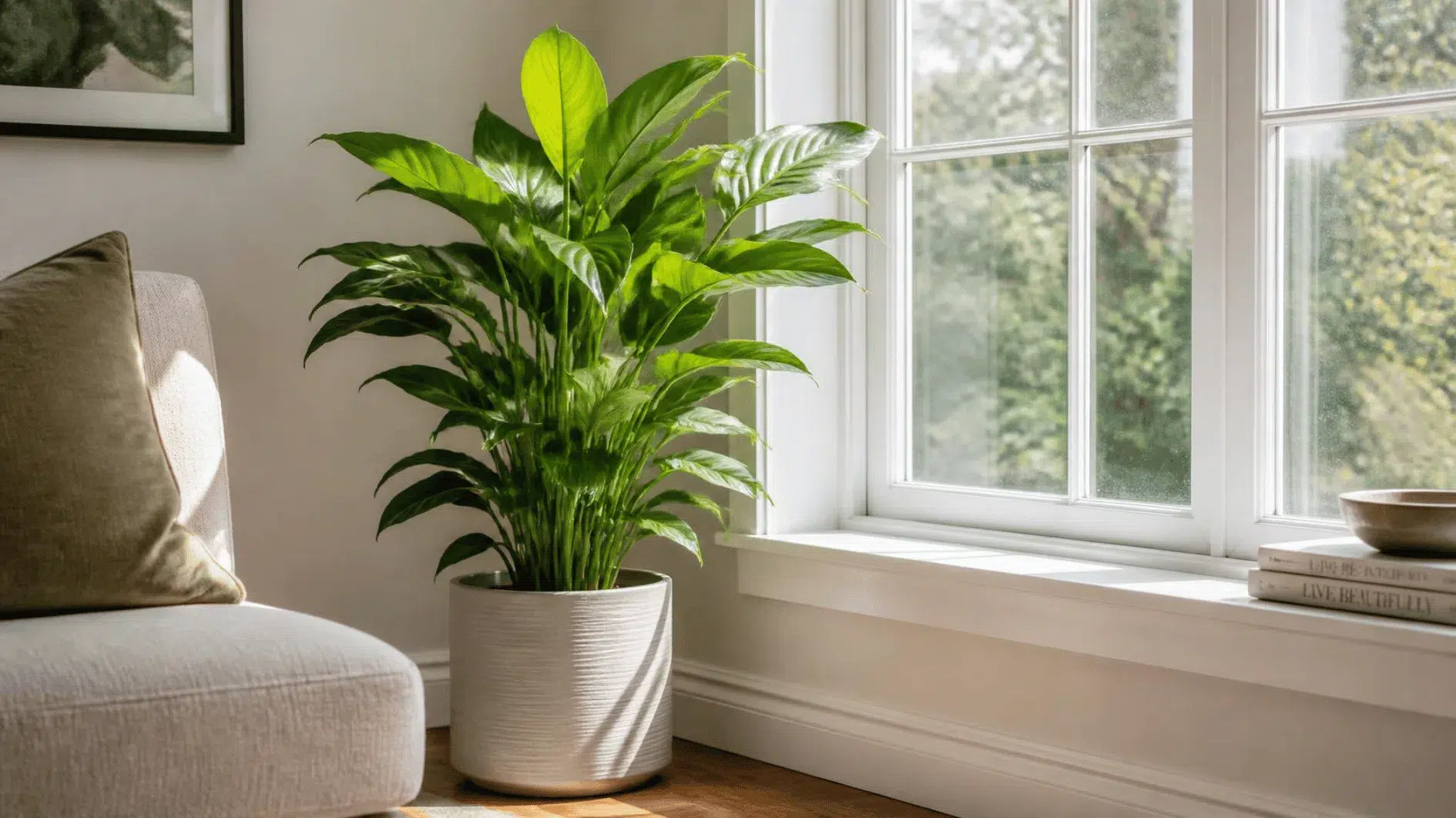
Light supports plant growth, but more direct sunlight is not always better. Some foliage plants suit bright indirect light, while others tolerate or prefer stronger sun. Check species guidance and adjust for your particular glazing, room aspect and time of year.
A plant moved abruptly into intense summer sunshine may suffer damage even if it can eventually tolerate a brighter position. Make changes gradually where possible and observe the response of healthy new foliage.
Recognise Possible Signs of Insufficient Light
Weak, elongated growth, a noticeable lean towards the window or unusually slow development can suggest that a plant receives less suitable light than it needs. However, seasonal rest or ordinary species growth can resemble some of these signs.
Compare the current plant with its expected form. A low-light-tolerant plant still requires light for photosynthesis: no ordinary greenhouse plant can grow well in permanent darkness. Move plants only when a brighter suitable space is actually available.
Watch for Leaf Damage From Strong Sun
Some plants develop scorched patches or faded areas after exposure to strong direct sunlight. Other issues, including cold, physical injury and watering problems, may cause a similar appearance. One damaged leaf is not enough for a confident diagnosis.
Check which side of the plant is affected, when the marks appeared and whether the light has changed. If the plant prefers indirect light, appropriate shading or a different position may be useful without making the room too dark.
Understand Windows and UK Seasonal Light
North-, east-, south- and west-facing windows can offer different light patterns, but nearby buildings, trees, curtains and window treatments all matter. A position that looks bright in July can be quite different on a short December day.
Watch for cold glass and draughts in winter, and for strong sun or heat near windows in summer. Our indoor tree guide examines long-term placement and scale for larger plants.
Water the Compost, Not the Calendar
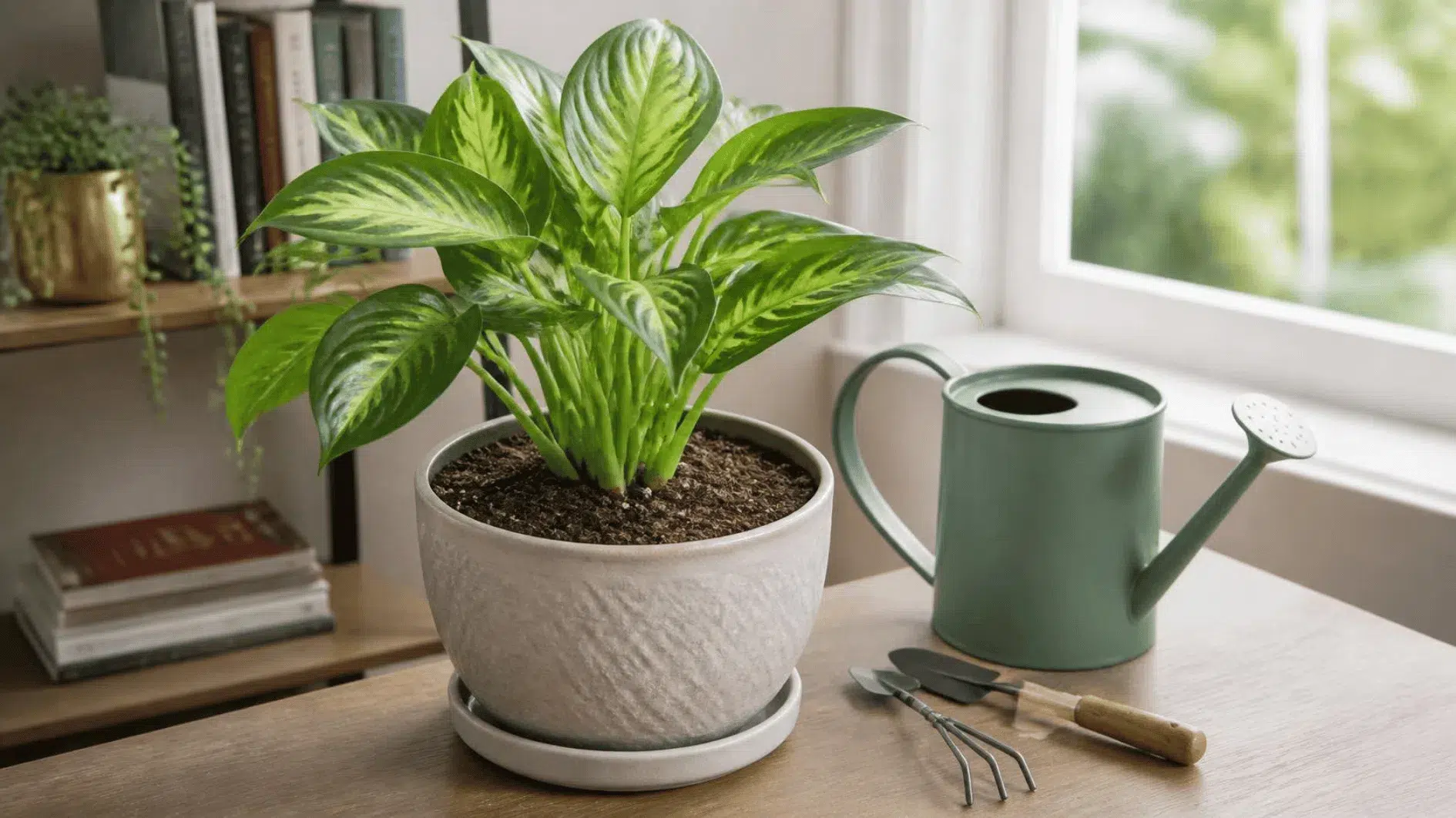
A rigid watering schedule rarely suits every houseplant. Pot size, root development, light, warmth, growing medium and the season affect how quickly a plant uses water. Some species need more consistently moist compost; others require more drying between waterings.
Use the specific plant care instructions and assess the compost before reaching for a watering can. Our How to Water Houseplants guide explains moisture testing, watering methods and seasonal adjustments in more depth.
Check Moisture Below the Surface
The top layer of compost can appear dry while the root zone remains wet, or can be misleadingly damp after a small splash. Check a little beneath the surface using an appropriate method for the pot and plant.
Pot weight, recent watering history and leaf appearance can add context, but none is proof on its own. Both dry compost and waterlogged roots can make leaves wilt, so test conditions before taking action.
Water Thoroughly When the Plant Actually Needs It
For many conventionally potted plants, watering until some water passes through the drainage holes helps wet the growing medium. This is not a universal instruction for every growing system, and species-specific care should take priority.
Allow the pot to drain and remove excess standing water from a saucer or outer pot where appropriate. Small frequent splashes may leave the centre of the rootball dry, while repeated watering of already saturated compost can damage roots.
Adapt Watering to Autumn and Winter
Shorter daylight hours often slow growth and water use for many houseplants. Yet a centrally heated room can still dry compost, and different species respond differently. Winter is a reason to reassess, not a command to stop watering.
Check the plant rather than continuing the exact summer routine. If foliage droops, inspect moisture before assuming that extra water is the answer. Cold roots and saturated compost can be an especially poor combination.
Understand Why Drainage Matters
Roots need a suitable balance of moisture and air. In many conventional container-growing systems, drainage holes help excess water escape, reducing the risk of prolonged waterlogging. Drainage is only one part of the picture: compost and pot size matter too.
Check that the plant is not sitting in a pool of water after watering. If a container has no holes, a removable inner nursery pot with appropriate drainage is often a practical arrangement.
Use Decorative Cover Pots Carefully
A ceramic pot or woven planter can help a houseplant sit comfortably within a room, but the growing conditions inside it still matter. The inner plant pot should remain stable and removable where practical.
Water and drain according to the plant requirements, then inspect the outer container for trapped moisture. Protect timber furniture and floors. A layer of decorative stones in a sealed pot is not a substitute for suitable drainage.
Choose Growing Medium That Suits the Species
Potting compost varies in its structure, air spaces, moisture retention and nutrients. A dense moisture-retaining mix can be useful for some plants but unsuitable for a plant whose roots require a different balance. Labels describing all-purpose mixes do not mean every species needs identical compost.
Choose an appropriate peat-free option when suitable and adjust watering expectations if the medium changes. Follow plant-specific advice for unusual roots or growing systems rather than assuming one homemade mix works for all plants.
Look After Roots, Not Just Leaves
A plant may show drooping leaves because its compost is dry, but damaged roots in wet compost can cause a similar appearance. Roots that cannot take up water efficiently leave the upper growth under stress.
Check drainage, moisture and stability when a plant changes unexpectedly. Avoid repeatedly removing a healthy rootball just to inspect it. If roots are soft and decayed, seek reliable species-specific recovery guidance before cutting them or replacing the entire growing medium.
Know When a Houseplant May Need Repotting
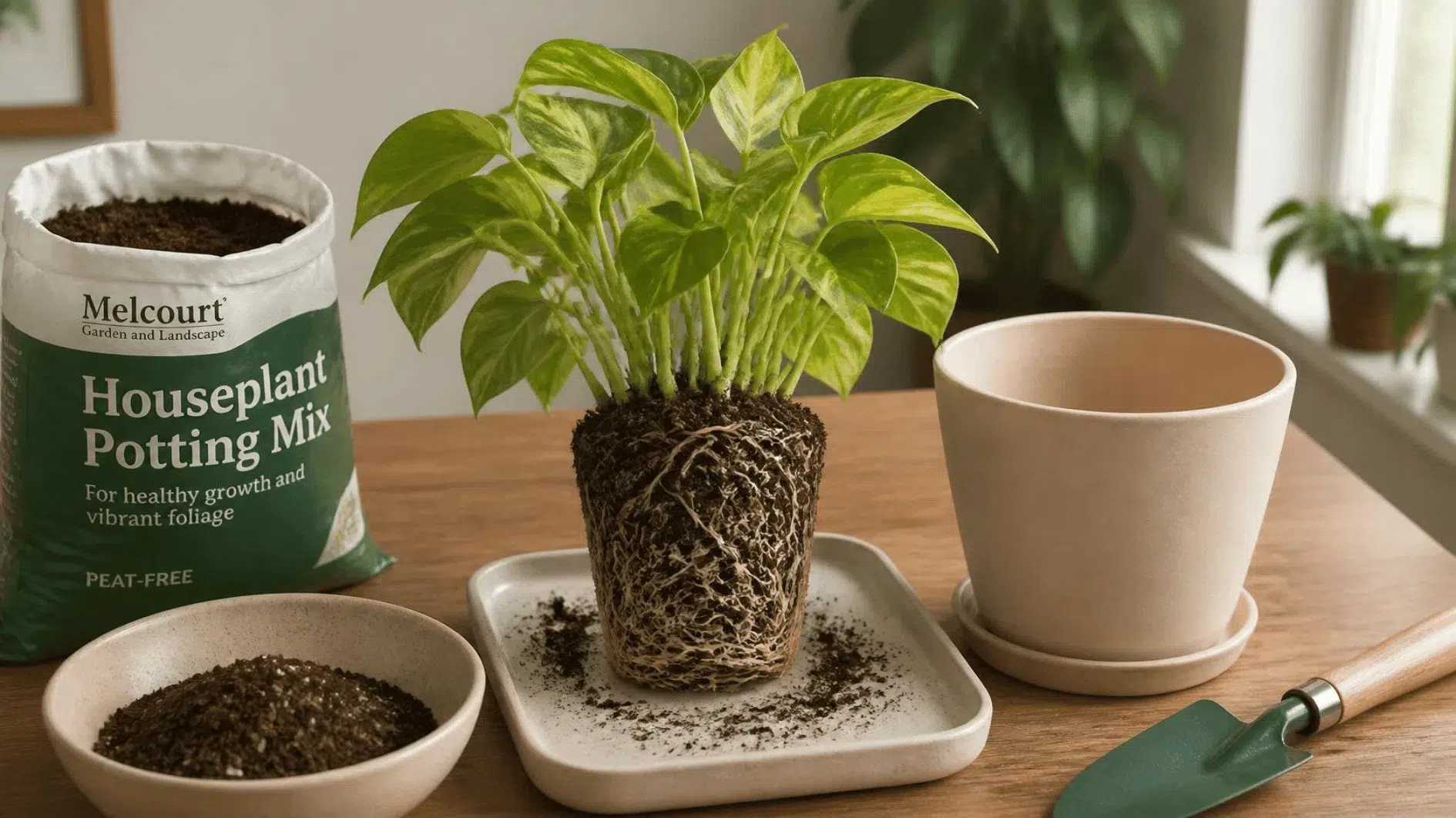
Tightly circling roots, exhausted or deteriorated compost, restricted growth and a plant that dries unusually quickly can all prompt a closer look. A single root visible through a hole does not always mean that immediate repotting is required.
The timing depends on species, current conditions and growth. Spring is often suitable for many plants as growth resumes. Our Repotting Houseplants guide covers root checks, compost and choosing a sensible new pot.
Avoid Moving Plants Into Oversized Pots
An overly large container can leave an excess volume of compost wet around a small rootball for too long. Choosing a modest size increase when roots actually need more room is usually more sensible than jumping straight to a very large decorative pot.
Handle existing roots gently and keep the plant at an appropriate planting depth. The RHS guide to repotting plants explains when and how to assess crowded roots.
Feed Only When Feeding Is Appropriate
Some houseplants benefit from fertiliser during active growth, but product strengths, nutrient needs and timing differ. A fresh potting medium can already provide nutrients, and applying extra feed is not a substitute for appropriate light and water.
Follow both plant-specific guidance and the fertiliser label. Avoid adding extra feed to an unidentified, waterlogged or stressed plant in the hope of immediate recovery. Excessive fertiliser can create new problems.
Consider Temperature, Draughts and Heating
Many popular foliage plants are adapted to conditions unlike a cold British porch or a windowsill pressed against winter glass. Different species have different tolerances, so do not assume that all indoor plants belong at one temperature.
Avoid hot radiators, prolonged cold draughts and extreme fluctuations where the plant is sensitive. Keep heating equipment and ventilation clear; plant placement should never introduce a household safety issue.
Think About Humidity Without Making It a Complicated Ritual
Some tropical plants prefer relatively humid air; others are comfortable in much drier conditions. Actual room temperature, ventilation and the species should inform how humidity is managed.
Do not assume that misting every plant daily is necessary or that it will fix every brown tip. Continually wet foliage can be unsuitable in cool or poorly ventilated conditions. Never create building condensation or damp problems for the sake of a decorative plant.
Clean and Inspect Foliage Gently
Dust may collect on broad leaves and make pests or damage harder to notice. Some species tolerate careful leaf cleaning, while delicate, hairy or waxy foliage needs a different approach.
Use methods appropriate to the plant and avoid abrasive polishing products. Check leaf undersides and growing points for webbing, insects or unusual marks while handling the plant gently.
Prune With a Clear Purpose
Removing dead or damaged plant material can improve appearance and make inspection easier. Certain houseplants also respond well to species-specific shaping, but an unnecessary severe cut can be harmful.
Use clean suitable tools and reliable guidance about when and where to prune. Take precautions when handling plants with irritating sap and do not discard cuttings where pets or children can reach them.
Yellow Houseplant Leaves Have More Than One Possible Cause
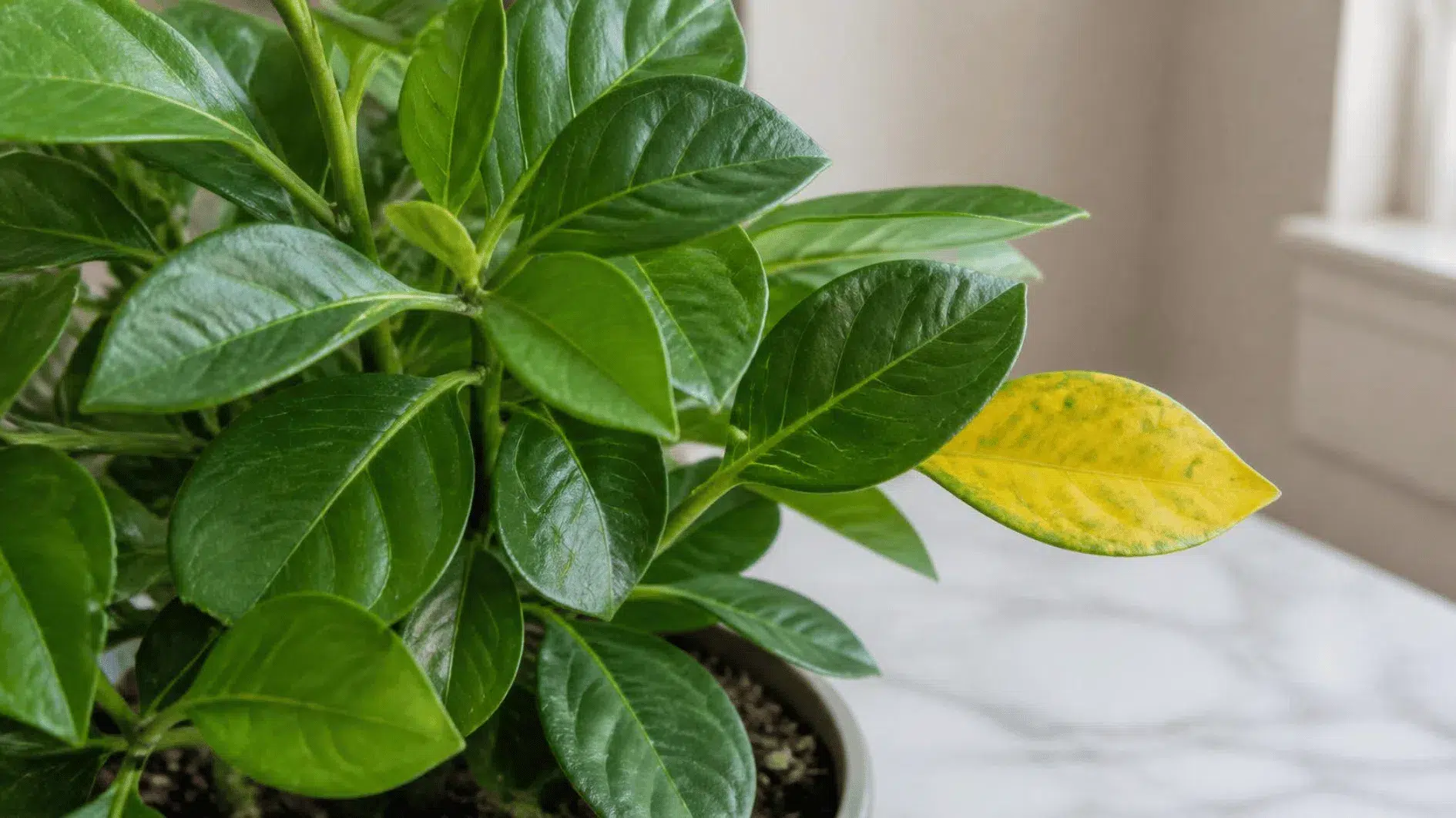
An occasional older leaf turning yellow can be normal. Widespread yellowing can also reflect too much or too little water, unsuitable light, cold, root trouble or other changes. The colour alone does not identify the cause.
Notice whether older or newer leaves are affected, check compost moisture and review recent changes before feeding, watering or repotting. Our Yellow Leaves on Houseplants guide provides a step-by-step troubleshooting sequence.
Investigate Brown Tips and Leaf Edges Carefully
Brown leaf tips or crispy edges may be associated with moisture stress, environment or species-specific problems. The visible pattern is one clue rather than a definitive diagnosis.
Review light, temperature, watering and the condition of the roots. Existing dead leaf tissue may not turn green again; pay attention to the health of subsequent growth once conditions have improved.
A Wilting Plant May Not Need More Water
A dry rootball can make foliage droop, but roots damaged by prolonged wetness may also leave a plant unable to take up water. Both situations can cause wilting.
Check the compost and drainage before watering again. Compare the plant with its ordinary daily posture and consider other environmental changes. A struggling plant often benefits from correcting its conditions rather than adding several treatments at once.
Look for Actual Signs of Houseplant Pests
Mealybugs, scale insects, spider mites and fungus gnats can occur on indoor plants. Inspect the plant for identifiable organisms and symptoms before choosing a response; not every yellow leaf or pale patch is pest damage.
Check new plants before placing them close to an existing collection. If pests are confirmed, isolate the affected plant where practical and seek reputable identification and safe, legal management guidance rather than applying random household chemical mixtures.
Understand Fungus Gnats and Wet Compost
Small dark flies near potting compost may be fungus gnats, although identification matters. Their appearance may be a reason to review moisture, drainage and the condition of the growing medium.
Do not deliberately deprive a moisture-loving plant of necessary water to dry the surface. Consider the species, confirm the pest and follow targeted guidance instead of relying on one universal quick fix.
Check Houseplant Safety Around Children and Pets
Some popular indoor plants can be harmful if chewed or swallowed, and sap from some species can irritate skin. The natural origin of a plant does not establish safety.
Check reputable species-specific toxicity information, provide appropriate placement and store fertilisers, plant treatments and tools safely. Seek medical or veterinary advice promptly if there is a concerning exposure; do not attempt improvised treatments.
Place Plants Where People Can Still Use the Room
A plant should not block a walkway, essential daylight or the safe use of furniture. Consider pot stability, watering access and whether leaves are likely to be damaged by frequent contact.
A steamy bathroom is not automatically suitable if it lacks light, and an attractive bedside display should not make essential items hard to reach. For planting by room, see best plants for bedroom and plants for living room.
Adjust Houseplant Care Through the UK Seasons
Winter brings shorter days and possible cold windows, while summer can bring strong sun and greater water demand. Indoor heating and ventilation complicate the picture, so seasonal care should not be based solely on the calendar.
Reassess light, moisture and temperature periodically. If a plant becomes less active in winter, that may be normal for the species. Look for multiple signs before treating seasonal variation as disease.
Plan Sensible Plant Care Before Travelling
A week away can affect a small fast-drying plant differently from a large slow-growing one. Check each species and the conditions before deciding whether temporary care is necessary.
If another person will help, give clear instructions about checking compost rather than a blanket order to water everything. Avoid untested self-watering devices or excessive soaking immediately before leaving, and protect floors from leaks.
How to Take Care of Indoor Plants: A Routine You Can Keep
- Identify the plant and keep its species-specific care instructions.
- Check suitable light and the temperature of its position.
- Test compost moisture before deciding to water.
- Confirm that excess water can drain and is not pooling in a cover pot.
- Inspect new leaves and check periodically for pests or damage.
- Consider feeding or repotting only when there is a reason.
- Adjust care as UK daylight, warmth and growth change.
Most useful houseplant routines are primarily checks. Observe new foliage, light levels and compost moisture; assess whether drainage remains appropriate; look for pests; and decide whether anything needs to change.
A routine that sometimes ends with doing nothing is often better than one that demands constant intervention. As plants become familiar, you can recognise how each one responds to the actual conditions of your home.
Common Houseplant Problems and First Checks
| Sign | Possible explanations | What to check first |
|---|---|---|
| Yellowing foliage | Older leaves, water stress, light or temperature | Which leaves, compost moisture and recent changes |
| Wilting | Dry compost, waterlogged roots or environmental stress | Moisture below the surface, drainage and root condition |
| Brown leaf edges | Water or environmental issues | Watering history, warmth and species requirements |
| Long, weak shoots | Possibly insufficient light or normal growth habit | Actual light, species and season |
| Compost drying unusually quickly | Congested roots, heat or unsuitable medium | Roots, pot size, warmth and growing medium |
| Small insects | Possible fungus gnats or other pests | Identify insects and inspect compost and foliage |
A symptom is a reason to investigate, not a command to apply a treatment. Yellow foliage, wilting, brown edges and very slow growth can reflect several causes. Begin with species identification and the most recent environmental changes.
Before replacing a plant, check whether a safe adjustment to water, light, position or growing medium is likely to help. The RHS guide to helping a poorly houseplant provides a useful reference.
Common Mistakes With Houseplant Care
Typical problems include watering on a fixed day, leaving water in a cover pot, moving a plant into an oversized container, using feeding to treat poor light and changing several growing conditions at once.
Another mistake is buying products or applying pest treatments before identifying the actual problem. Check the plant, its roots and its environment first. Be especially cautious about strong chemicals, unknown plants and advice that promises an immediate cure.
Frequently Asked Questions About Houseplant Care
How often should I water an indoor plant? It depends on species, compost, pot, light, warmth and season; check moisture rather than assuming a fixed weekly schedule. Do houseplants need sunlight? They need suitable light, but tolerance for direct sun varies.
When should I repot? Assess roots, compost condition and growth before moving a plant. Why are leaves turning yellow? Investigate moisture, light, temperature, roots and natural ageing. Are plants safe for pets? Not all; identify the species and check credible toxicity guidance.
Good Plant Care Comes From Observation, Not Perfection
Start with the plants you already own. Give them appropriate light, check whether their compost actually needs water, maintain suitable drainage and respond to changes thoughtfully.
Small adjustments guided by the plant often matter more than buying another product. A realistic routine can help you look after an indoor collection without turning your home into a greenhouse.
PLANTS & GREEN LIVING · PRACTICAL GUIDES
Explore Houseplant Care

Leave a Reply