

NATURAL LIVING · INDOOR PLANTS & BIOPHILIC DESIGN
Best Plants for Bedroom: A Styling and Care Guide
A practical guide to choosing bedroom plants for the light, temperature, maintenance and scale of your room—without relying on exaggerated claims about sleep or air purification.
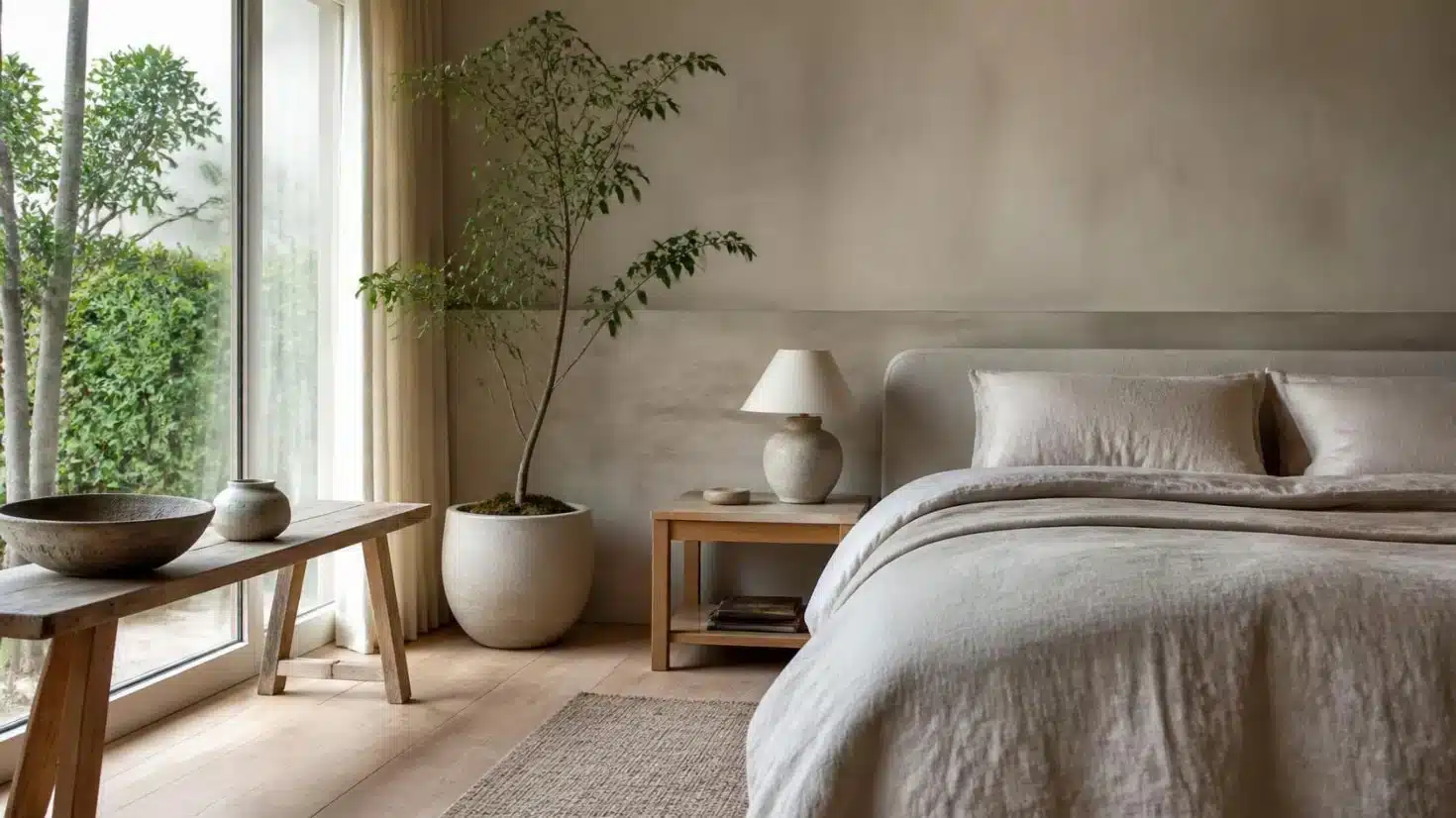
The best plants for a bedroom are not necessarily the plants that appear most often in “sleep better” lists. A bedroom is simply another indoor growing environment, with its own light, temperature, humidity, floor space and maintenance limits.
That means the most successful bedroom plants are the ones that suit the room first. A healthy spider plant in the right light will usually contribute more to the space than a fashionable plant kept too far from a window and slowly declining.
If you want the broader method for matching plants to rooms, start with our indoor plants guide. This article applies that method specifically to bedrooms, where visual calm, easy maintenance and limited floor area often matter as much as the plant itself.
What Makes a Good Bedroom Plant?
A good bedroom plant should be easy to live with as well as visually appropriate. That usually means a plant whose mature size, watering needs and preferred light fit the exact part of the room where you want to place it.
The Royal Horticultural Society recommends choosing houseplants according to the conditions of their location, particularly light, humidity and temperature. Bedrooms can vary greatly: one may have a bright south-facing window, while another is shaded for most of the day. RHS
For bedrooms, there is another design consideration: calm. Plants with clear silhouettes, restrained containers and enough negative space around them tend to feel more intentional than many small pots spread across every available surface.
Do Bedroom Plants Improve Sleep or Air Quality?
Claims that certain bedroom plants dramatically purify the air, increase oxygen enough to improve sleep or remove indoor pollutants at meaningful household scale are often overstated.
A review published in the Journal of Exposure Science & Environmental Epidemiology found that results from sealed-chamber studies do not translate well to normal buildings, where ventilation and air exchange dominate indoor air quality. Cummings & Waring
That does not make bedroom plants pointless. Healthy greenery can contribute visual softness, interest and a stronger connection to nature. Research summarised by the RHS also suggests people respond positively to healthy, attractive houseplants. RHS
Choose plants because they suit your room and because you enjoy living with them—not because a marketing claim promises to transform sleep quality.
Assess Bedroom Light Before Choosing
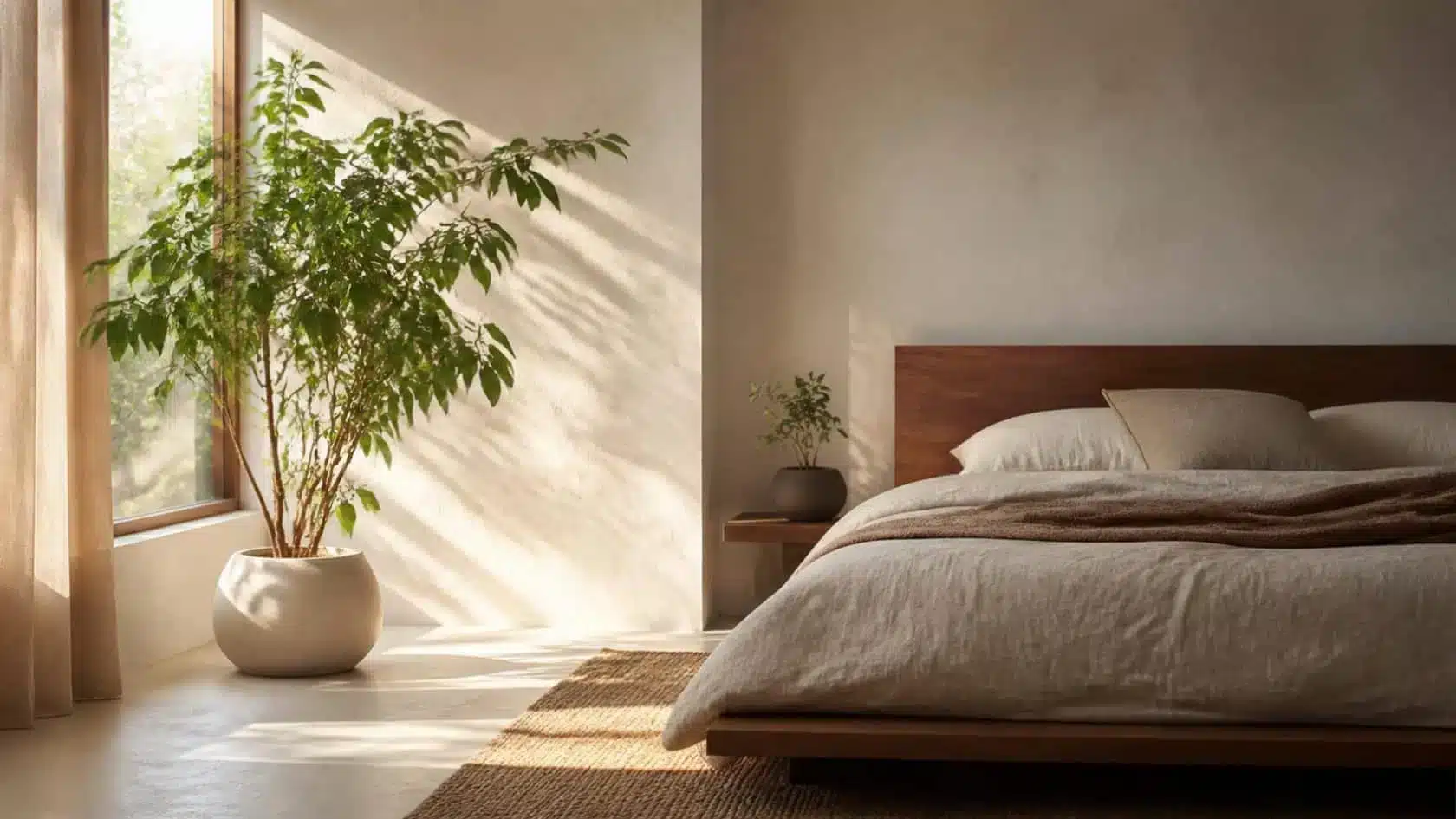
Light should be the first filter for choosing the best plants for your bedroom.
- Bright direct light: strong sun reaches the plant for part of the day.
- Bright indirect light: the room is well lit but the leaves are protected from intense direct sun.
- Lower light: the position is farther from the window or receives limited natural light.
The RHS notes that ordinary domestic lighting is not a substitute for the light plants need to grow. A dark bedroom remains a dark growing environment even if the ceiling light is on for several hours each evening. RHS
Best Bedroom Plants for Lower Light
“Low light” should not be confused with “no light”. Even tolerant houseplants need some natural light, but several species cope better with shaded positions than sun-loving plants.
Snake plant
Snake plants have an upright form that works well where floor or bedside space is limited. Their strong vertical leaves also suit calm, architectural bedrooms because they occupy relatively little visual width.
ZZ plant
ZZ plants are valued for glossy foliage and tolerance of less-than-ideal indoor conditions. They still benefit from usable natural light, but their slower growth and structured form can make them practical where maintenance needs to stay low.
Parlour palm
The parlour palm has a softer, more feathery silhouette than upright foliage plants. It works especially well where you want greenery without a heavy visual block. The RHS includes Chamaedorea elegans among houseplants that can cope with lower-light and fluctuating indoor conditions.
Best Bedroom Plants for Bright Indirect Light
A bright bedroom opens up more options, especially near an east- or west-facing window or a well-lit position protected from harsh midday sun.
Spider plant
Spider plants are adaptable, light in appearance and particularly useful on shelves, dressers or stands. Their arching foliage adds movement without making a small room feel visually dense.
Pothos
Pothos offers trailing growth and strong green foliage, making it useful where horizontal surfaces are limited but a shelf or high dresser is available. Give the vines enough space to fall naturally rather than wrapping them around several pieces of furniture.
Peace lily
Peace lilies prefer indirect light, consistent warmth and moderate humidity. Their glossy foliage and restrained white spathes can work well in a bedroom with suitable conditions, but the RHS notes that peace lilies are poisonous, so they should be kept away from children and pets. RHS
Trailing Plants for Shelves and High Furniture
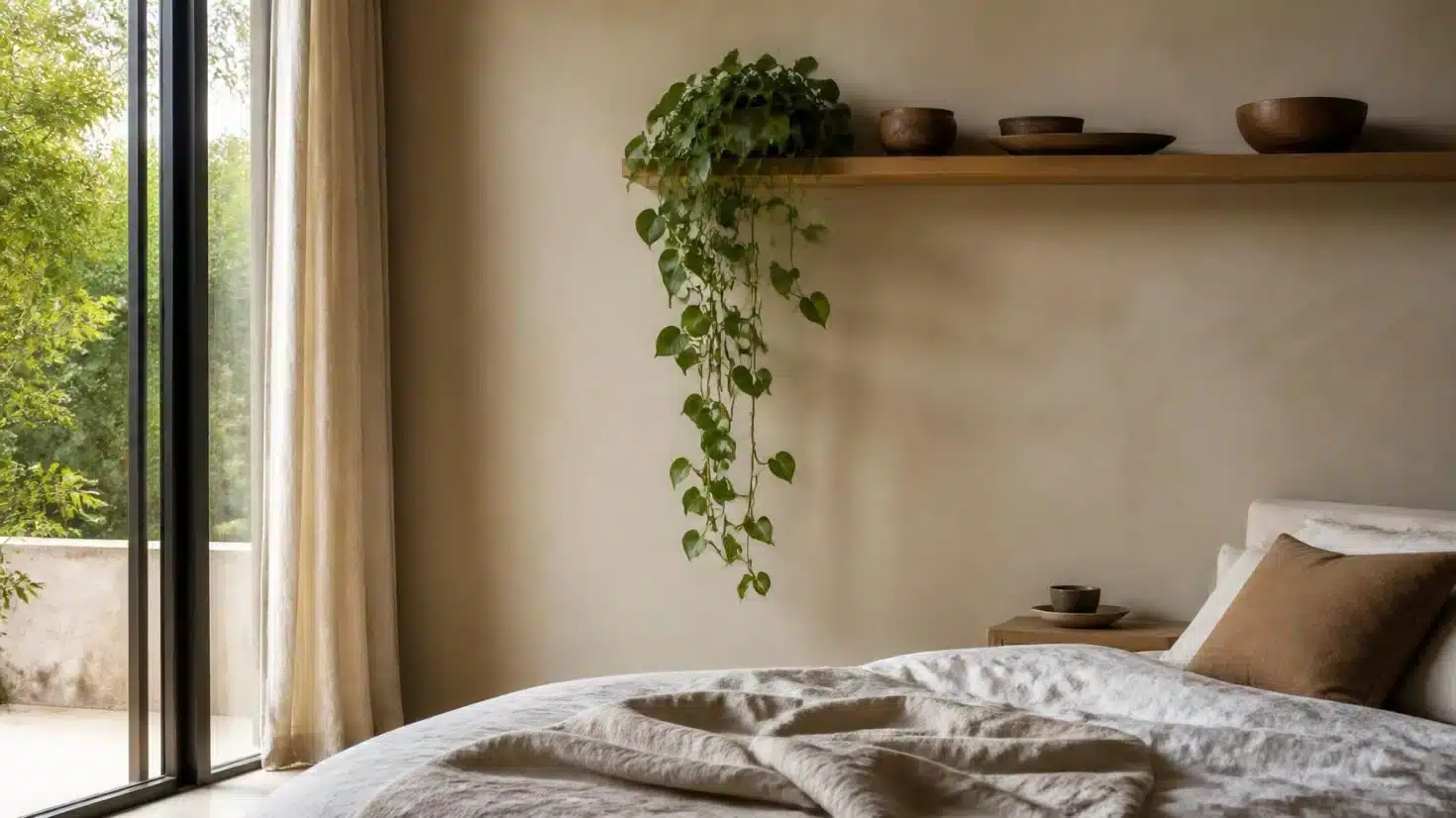
Trailing bedroom plants can soften tall furniture and shelves without using floor space, but they need to remain easy to water and inspect.
Keep vines clear of lamps, radiators, curtain tracks and areas where they will be repeatedly caught. One trailing plant with a clean fall usually looks more deliberate than several small vines distributed around the room.
This is a good example of the wider principle used in our biophilic design guide: living elements work best when they are integrated into the room rather than added as decorative clutter.
Small Plants for Bedside Tables
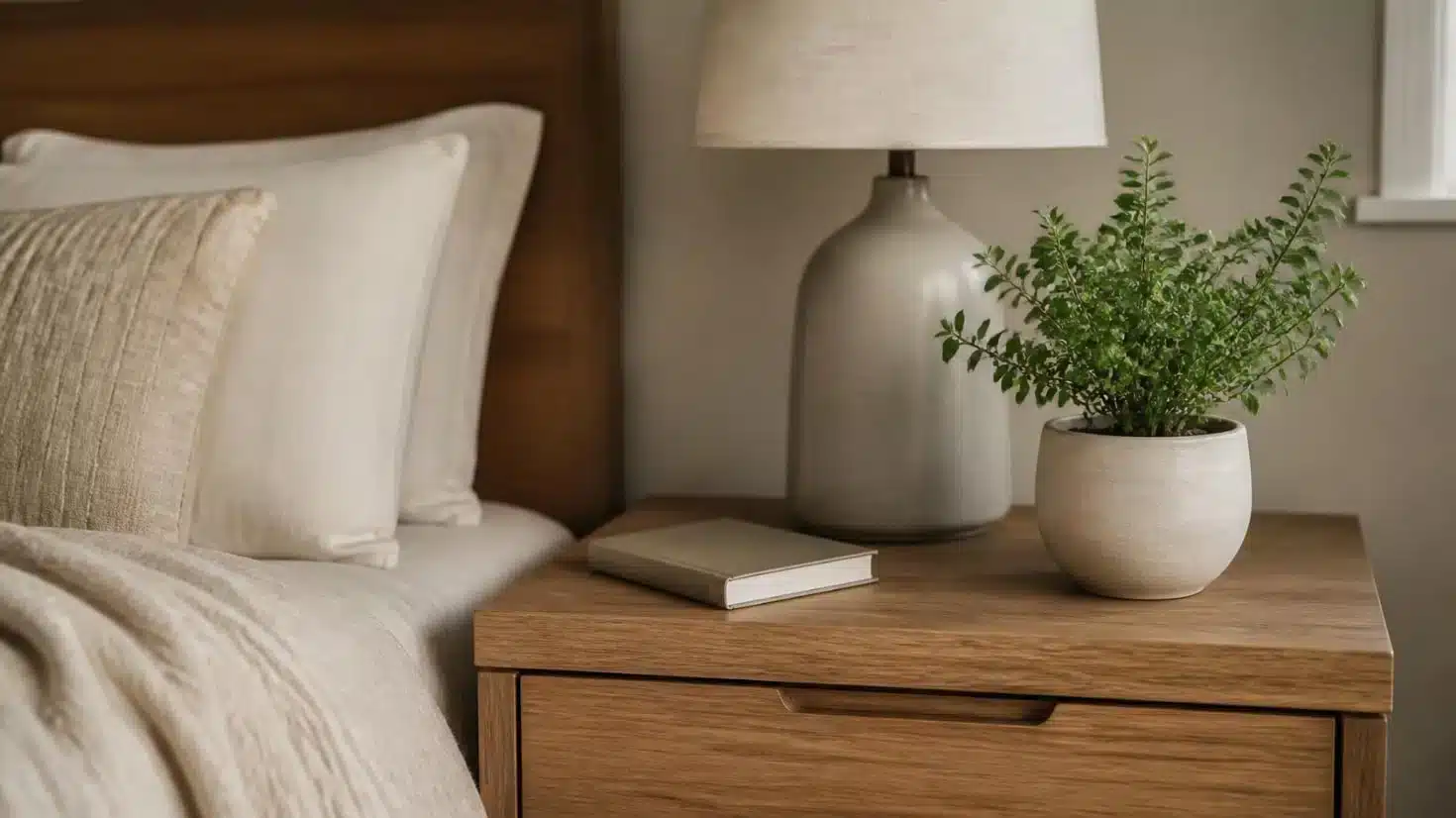
A bedside table is often a poor place for a large pot. It usually needs to hold lighting, a book, water and other everyday objects, so a plant should only be added if it leaves the surface practical.
Choose a compact plant with a stable pot and simple form. A peperomia, small prayer plant or compact spider plant can work where light suits it. Keep watering simple by using a removable inner pot or saucer that protects timber and textiles.
Larger Plants for Spacious Bedrooms
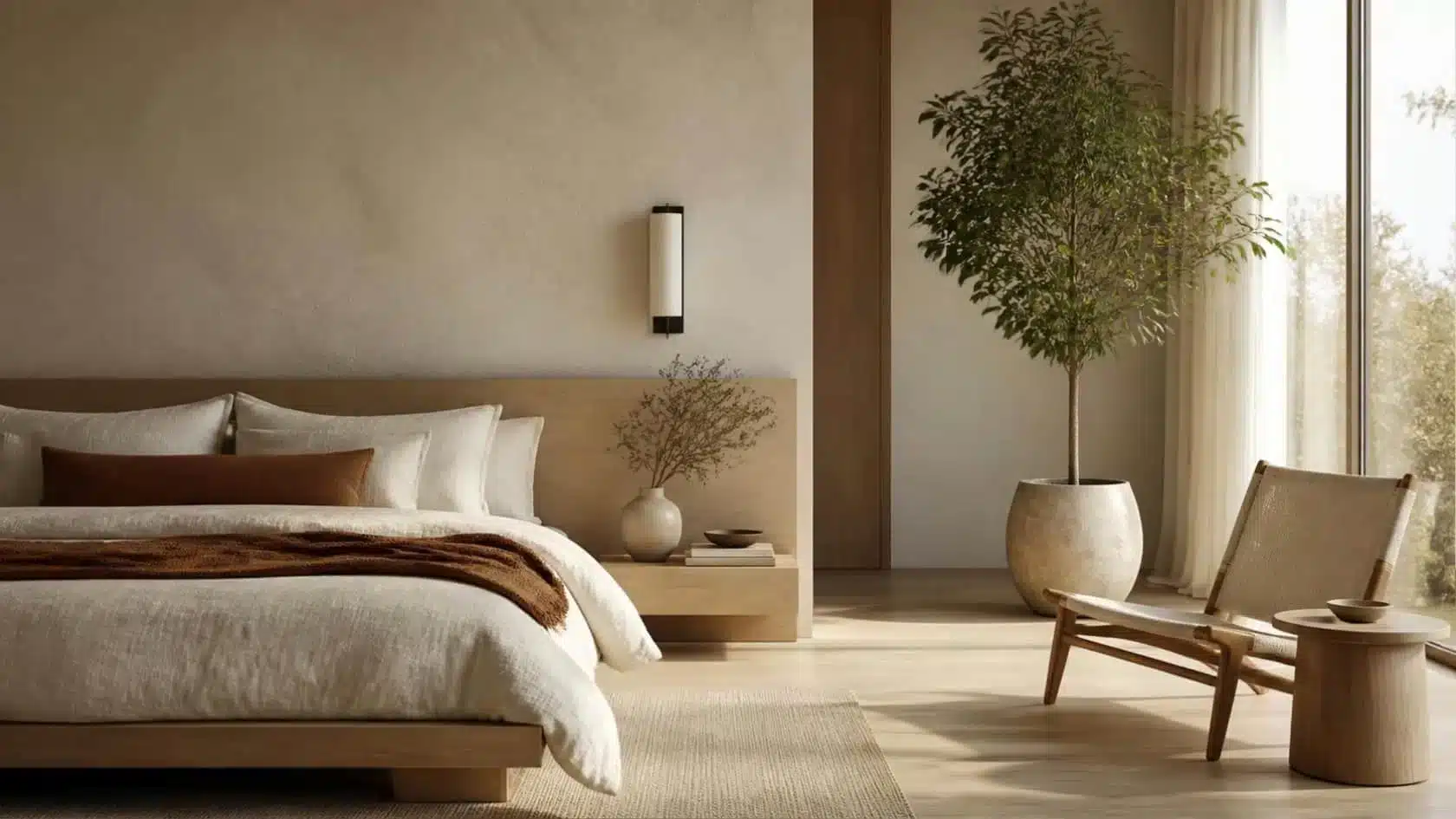
In a large bedroom, one floor-standing plant can be more effective than several smaller pots. It can balance a tall window, soften an empty corner or create a natural transition between a sleeping area and a reading chair.
Do not choose purely by height. Mature canopy width, pot footprint and access around the bed all matter. If you are considering a tree-form specimen, our indoor tree guide explains how to judge scale and mature form before buying.
Pet-Aware Bedroom Plant Choices
If a cat or dog shares the bedroom, plant safety should be part of the selection process rather than an afterthought.
Cats Protection recommends avoiding toxic houseplants and lists several common cat-safe options, including spider plants, parlour palms, peperomia, prayer plants and sword ferns. Cats Protection
Always check the exact species rather than assuming that an entire visual category is safe. Where a pet routinely chews plants, keeping a questionable plant on a high shelf may not be a reliable solution.
Where to Place Plants in a Bedroom
- Near a suitable window: usually the best starting point for healthy growth.
- On a dresser or chest: useful for medium plants where the surface can support the pot safely.
- On a shelf: good for trailing plants if watering remains practical.
- In a clear corner: useful for one larger floor plant where circulation remains open.
Avoid placing plants directly above the bed, where watering accidents or falling pots would create unnecessary risk. Also keep foliage away from radiators and cold draughts.
Watering Bedroom Plants
Bedrooms can encourage overwatering because plants often grow more slowly in lower light. A plant that dries quickly beside a bright living-room window may use water much more slowly in a shaded bedroom.
Check the growing medium before watering rather than following a rigid weekly schedule. The RHS advises watering houseplants according to their actual conditions and needs, with light, temperature and humidity all affecting how quickly moisture is used. RHS
How to Style Bedroom Plants Without Creating Clutter
Bedrooms usually benefit from a quieter plant composition than busy living areas.
- Use one stronger plant rather than several equally dominant ones.
- Repeat planter materials instead of mixing many colours and finishes.
- Keep bedside surfaces functional.
- Leave negative space around foliage.
- Use height variation deliberately: floor, furniture and shelf rather than many plants at one level.
If the room already contains substantial greenery, our guide to large indoor plants is useful for judging visual weight and avoiding overcrowding.
Common Bedroom Plant Mistakes
- Choosing for a claimed sleep benefit instead of growing conditions.
- Putting a plant too far from natural light.
- Using too many small pots and creating visual clutter.
- Overwatering in a cool or shaded bedroom.
- Ignoring pet or child safety.
- Choosing a planter for appearance without protecting the furniture or floor below it.
A Simple Bedroom Plant Selection Method
- Choose the exact position first.
- Assess the natural light through the day.
- Decide how much floor or furniture space is genuinely available.
- Check temperature, draughts and winter heating.
- Choose a plant whose mature size fits the position.
- Check pet and child safety where relevant.
- Choose the planter only after the plant and position make sense.
Frequently Asked Questions About Bedroom Plants
What is the best plant for a bedroom?
There is no single best bedroom plant. The best choice is one that matches the light, temperature, available space and level of care in the exact position where it will live.
What are the best plants for a dark bedroom?
No houseplant thrives in complete darkness. In a lower-light bedroom, choose tolerant species such as snake plant, ZZ plant or parlour palm, but keep them within reach of usable natural light rather than treating them as no-light plants.
Are bedroom plants good for sleep?
Plants can make a bedroom feel calmer and more pleasant, but evidence does not support treating ordinary houseplants as a meaningful air-purification or oxygen intervention for sleep. Ventilation, temperature, noise, light and sleep habits matter far more.
How many plants should I have in a bedroom?
There is no ideal number. One well-placed floor plant may be enough in a larger room, while a small bedroom may look better with one compact plant or a single trailing plant on a shelf.
Are plants safe on a bedside table?
Yes, if the pot is stable, the surface is protected from water and the plant leaves enough space for normal bedside use. Avoid heavy or unstable pots close to the edge.
Choose Calm, Healthy Greenery
The best plants for bedroom spaces are the ones that remain healthy without making the room harder to use.
Start with light, then consider mature size, maintenance, safety and visual weight. Choose one or two plants that belong naturally in the room rather than filling every available surface.
A bedroom does not need a jungle to feel connected to nature. Healthy foliage, a restrained planter and enough space around the plant can create a calmer, more considered effect.

Leave a Reply