

NATURAL LIVING · NATURAL HOME
Ceramic Home Decor: Choosing and Styling Useful Pieces
A considered approach to ceramic vases, bowls, tableware and everyday objects—choosing the right shape, surface and purpose for a useful, personal home.
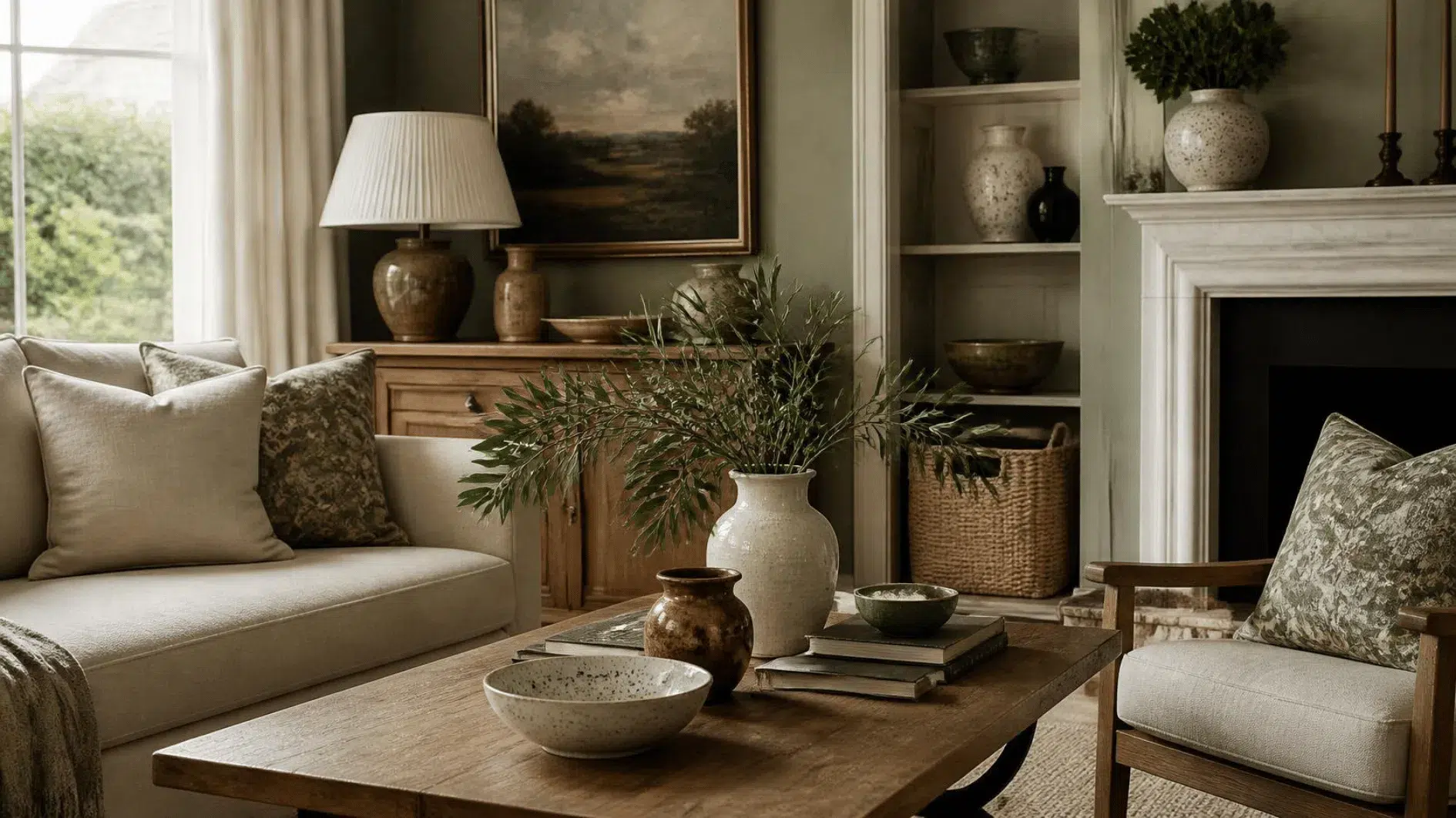
Ceramic home decor adds shape, surface and character to rooms through vases, bowls, lamp bases and practical tableware. These pieces can look quietly natural or sculptural and colourful, but their real value comes from how well they suit their place and purpose.
Before adding another object to a shelf or table, think about scale, stability, cleaning and whether the piece is intended for food or water. Decorative ceramics and functional ceramics are not automatically interchangeable.
This guide explores useful styling ideas and practical buying considerations for British homes. It builds on our natural home decor guide alongside the related wooden home decor and linen home decor guides.
Why Choose Ceramic Home Decor?
Ceramics bring shape, colour and tactile contrast into a room. A vase, bowl, lamp base or piece of useful tableware can introduce a surface that looks different from woven fabric and timber grain. Ceramics may be quiet and matte, glossy and colourful, deliberately irregular or precisely formed.
The most convincing arrangements rarely require a collection of new objects. One appropriate ceramic piece can have a clear role on a table or shelf, especially where surrounding furniture and textiles leave enough room for it to be noticed.
This guide concentrates on how to choose, place and care for ceramics in everyday British homes. For the bigger picture of natural materials, see our natural home decor guide.
Choose Shape and Proportion Before Colour
The outline of an object has a strong effect on its presence. A low, wide bowl reads differently from a narrow jug or tall vase, even when all three are the same neutral colour. Look at silhouette first and imagine how the piece will sit within the surrounding furniture.
Before you shop, measure the shelf, side table or mantel where it might go. A tall piece can block views, obscure artwork or look unstable on a narrow surface. A very small object may disappear beside an oversized table lamp.
Aim for a purposeful relationship between the object and the available space. Shape should make the room more balanced or the object more useful, not merely fill a gap.
Understand Clay Bodies, Glazes and Finishes
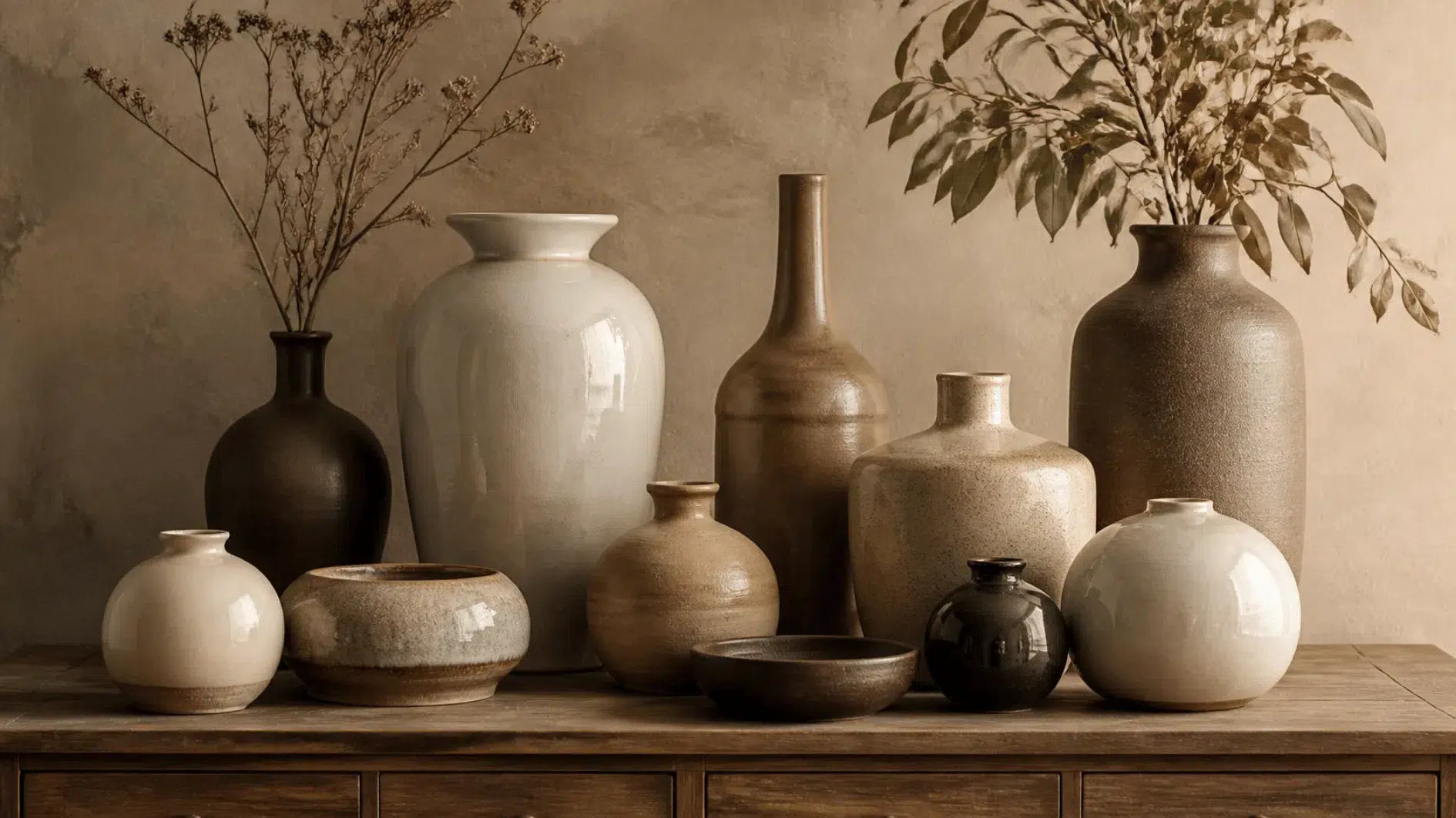
Ceramic describes a broad family of fired clay-based materials rather than a single product quality. Earthenware, stoneware and porcelain are familiar descriptions, but details of firing, glaze, thickness and manufacture affect performance.
Glazes alter colour, texture and surface behaviour. A glossy finish can reflect light and wipe differently from an unglazed or more porous surface. Decorative crackle effects or rough bases may need particular care.
Do not assume a glaze’s appearance tells you whether a piece is food-safe, watertight or suitable for an oven. Check the product’s stated intended use, any relevant testing claims and the maker’s instructions.
Handmade, Studio and Mass-Produced Ceramics
Handmade and studio pottery may offer variation in form and finish, while factory-produced ceramics may provide consistent dimensions and a predictable set of pieces. Neither method alone guarantees superior quality, safety or durability.
Consider what appeals to you and whether the maker supplies clear information about intended use and care. Natural-looking unevenness can be a design feature, but visible cracks, instability or damaged glaze should not automatically be dismissed as character.
For useful items, practical performance and accurate product information take precedence over the story told by the styling photograph.
Build a Palette Around Existing Materials
Ceramic home decor can work with pale neutrals, terracotta tones, deep green, blue, charcoal and many other colours. Start by identifying what is already present in the room: upholstery, wall finishes, wood tones and artwork.
One contrasting object may have more impact than a group of near-identical colours. A dark bowl on a pale timber table, for example, can create a clear focal point without overwhelming the space.
Check colours in daylight and under the lighting you normally use. Reflective glaze, matte finishes and surface texture can shift the visual effect considerably.
Combine Matte, Glossy and Textured Ceramics
A small variation in finish can create interest without a large variation in colour. A matte vase beside a gently glazed bowl, or an irregular handmade-looking surface near a smooth lamp base, can feel considered.
Avoid adding one example of every finish simply for variety. If a room already contains patterned timber grain, woven linen and distinctive metalwork, a quieter ceramic surface may be more effective.
Consider how easily each finish can be cleaned and whether its texture suits where it will sit. Deeply textured surfaces may trap dust, while glossy ones may show fingerprints or marks.
Ceramic Vases: Choose for Flowers or for Form
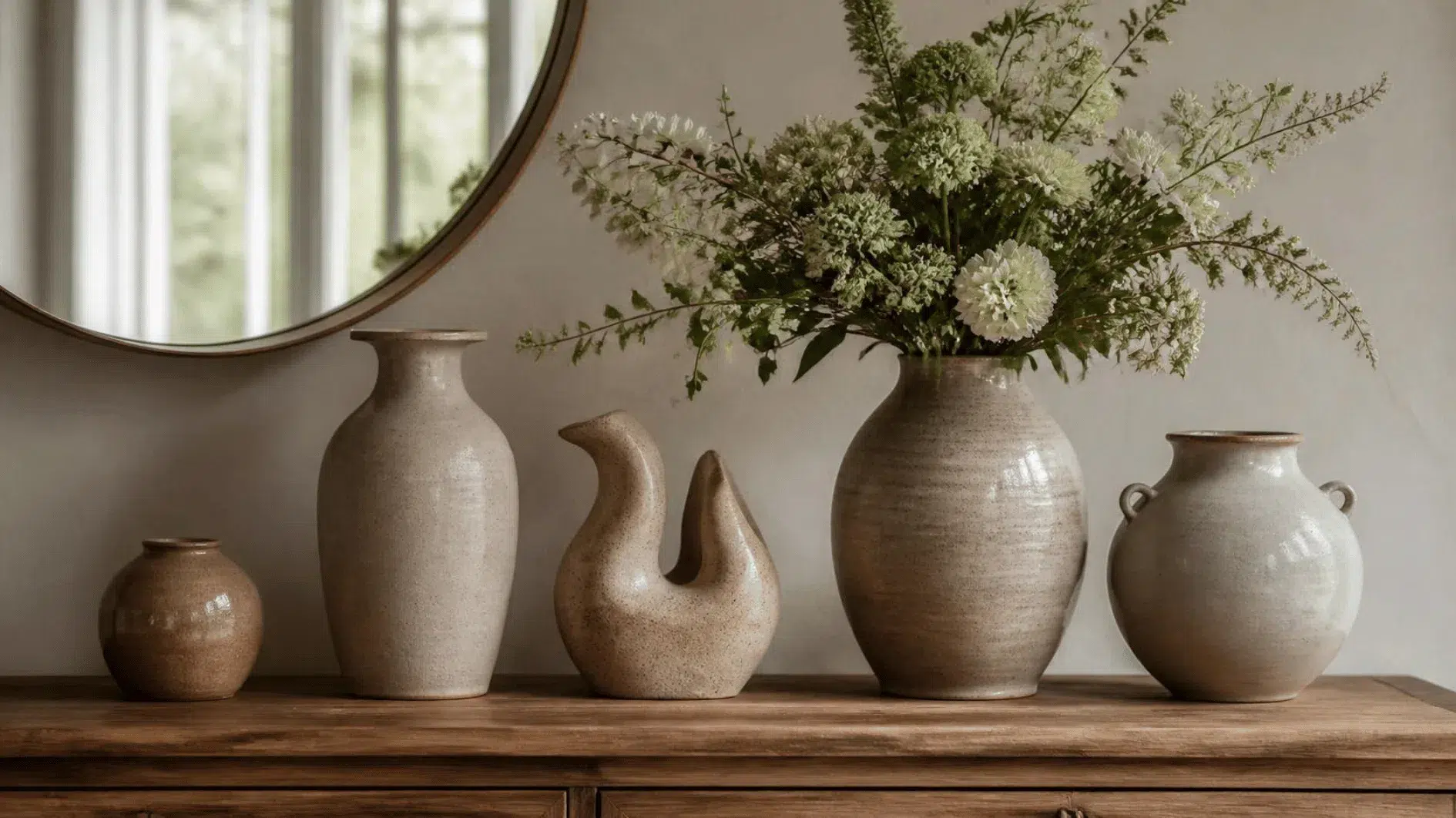
A vase can be functional, sculptural or both. If you expect to display fresh flowers, confirm it is watertight and stable, and consider how easily you can clean its interior. Some decorative vessels are intended for dried stems or display only.
The opening and weight matter. A very narrow neck may suit a few stems; a wider one may accommodate a fuller arrangement but should still support the contents safely.
Do not put a porous or unverified vessel full of water on a surface that could be damaged. Use an appropriate protective base if recommended, and check for leaks before placing it near timber furniture.
Decorative Ceramic Bowls Versus Functional Serving Bowls
Bowls introduce a useful low shape that can balance taller books, frames and lamps. They can also gather appropriate everyday objects such as keys or small accessories, depending on size and finish.
A decorative bowl must not be presumed suitable for food contact. If it will hold food, verify that the manufacturer identifies it as food-safe and provides appropriate care information. Do not rely on labels such as handmade, vintage or glazed as proof.
For storage and display, ensure the bowl is stable and that its edges or weight will not damage the surface beneath it.
Choosing Everyday Ceramic Tableware
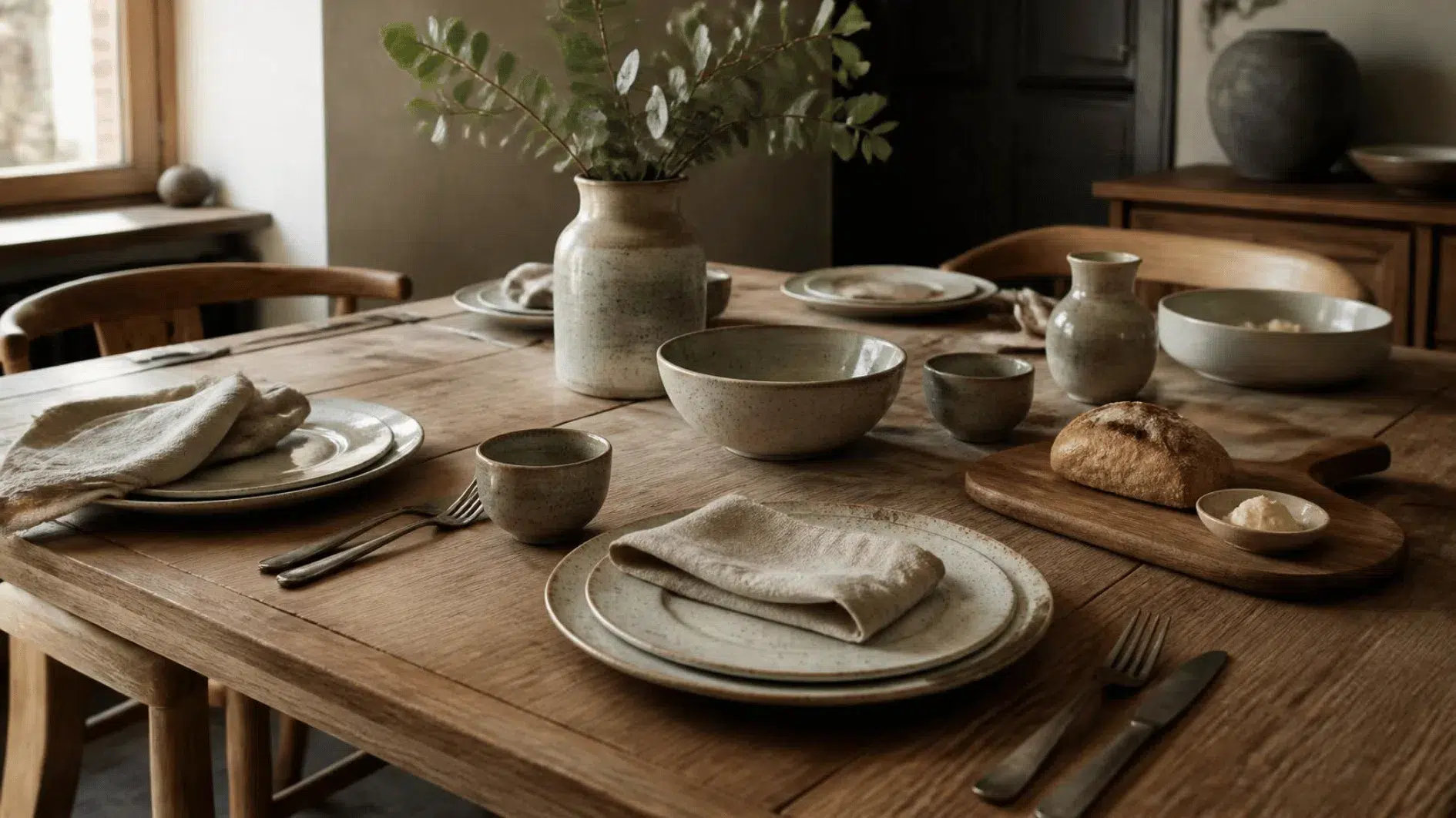
Ceramic plates, cups, serving dishes and bowls can make ordinary meals pleasant without requiring a matching display. The right choice is one you can comfortably use, clean and store.
Check food-contact suitability and any dishwasher, microwave, freezer or oven information specifically stated by the maker. Not all ceramics can safely tolerate the same temperature changes or appliances.
Inspect pieces for chips and damage. If an item has a compromised surface or unclear history, avoid using it for food until its suitability can be established. Products intended solely as decor should remain decorative.
Consider weight, stackability, cupboard space and how easily the item can be handled, especially in a shared household.
Ceramic Home Decor Ideas for the Living Room
The living room is often the easiest place to introduce one or two considered ceramics. A vase on a sideboard, shallow bowl on an occasional table or ceramic lamp base can complement existing timber and fabric.
Begin with the practical layout: tables and shelves must remain usable, and objects should not obstruct walkways or seating. An interesting vase does not need additional books and ornaments arranged around it to look intentional.
Ceramics can act as a quiet contrast to wooden home decor, especially where timber grain and texture already dominate the room.
Arrange Ceramics on Shelves With Breathing Space
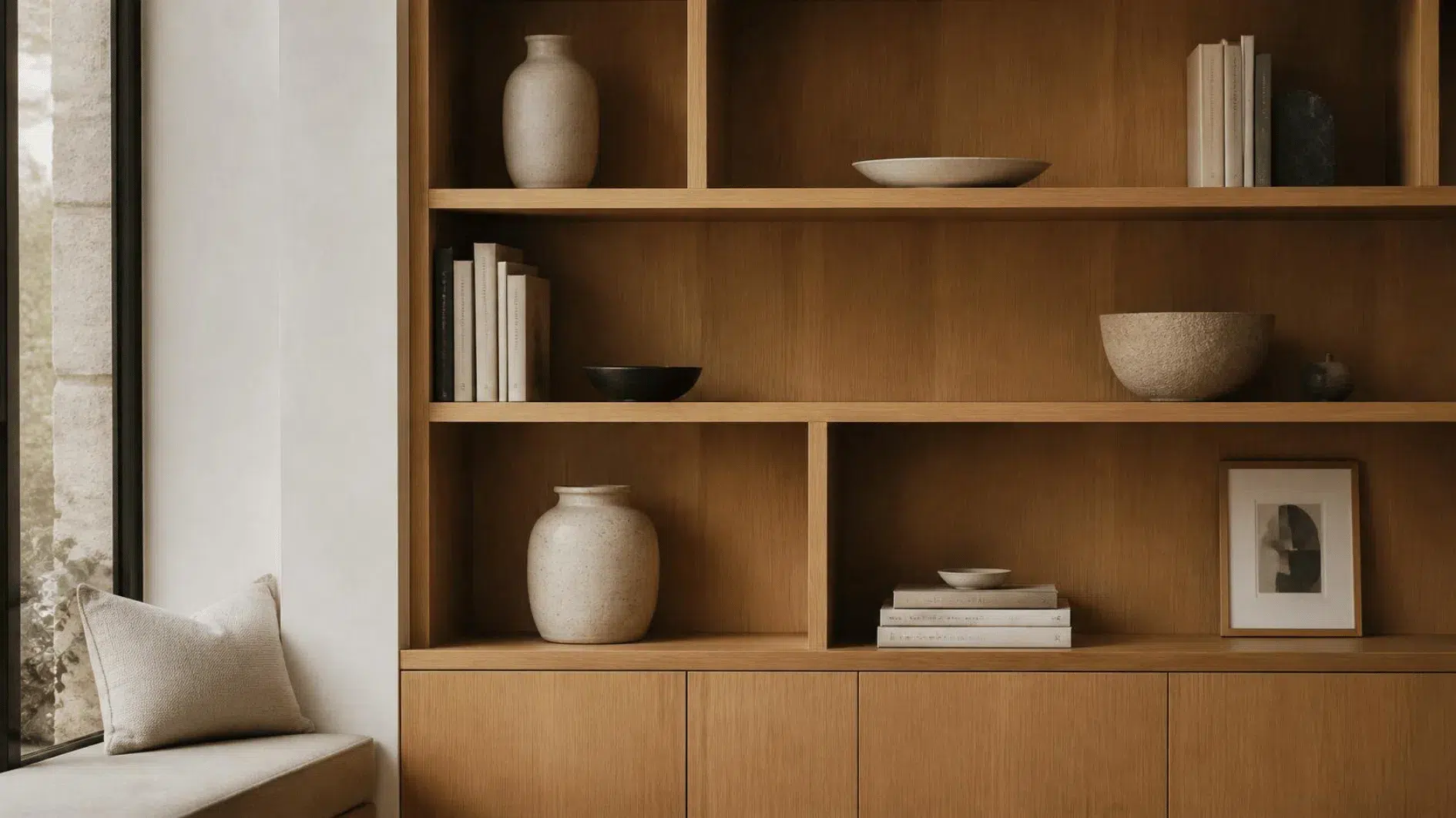
A shelf does not need to be filled from end to end. Try grouping one substantial ceramic piece with useful books or a personal object and leave enough clear space for the contents to remain accessible.
Balance height and weight. Tall vases and smaller bowls can make an attractive pair when they do not crowd each other, but there is no formula requiring groups of three.
Avoid loading wall-mounted shelves beyond their rated capacity. Ceramics can be heavy, and any piece placed high should be secure and away from edges where it could be knocked off.
If dusting a complicated display becomes a burden, simplify it rather than adding more storage or objects.
Style a Coffee Table Without Losing Its Use
A low ceramic bowl or small vessel can work on a coffee table when it leaves room for drinks, books and the tasks the household uses the table for. Choose a stable shape and check whether a protective mat or tray is needed.
Avoid sharp or fragile arrangements in places where people frequently reach or children play. A piece may be better suited to a higher, more secure surface.
The table itself may already have attractive grain or a tactile finish, so consider whether additional styling improves the room or simply makes daily use harder.
Use Ceramics to Give a Dining Table Character
Dinnerware, serving bowls and a simple vase can provide enough ceramic character at a dining table. You need not keep an elaborate centrepiece in place between meals.
Check that objects used for serving are fit for food contact and any intended heating or cleaning methods. Keep display pieces separate from food preparation and serving when their suitability is unknown.
A linen runner or placemat may create contrast with a glazed surface, but keep textiles appropriate for the table and easy to launder. Our linen home decor guide covers table textiles in detail.
Ceramics in the Kitchen: Practicality First
A small number of useful ceramic containers or suitable tableware may make a kitchen more pleasant. Keep prep space clear and ensure frequently used items can be handled and cleaned conveniently.
Do not assume every ceramic jar is designed for airtight food storage, and retain any important ingredient or allergen information when transferring packaged foods.
Avoid placing fragile ceramics near the edges of busy counters or too close to sources of heat. Check the manufacturer’s care instructions for changes in temperature and appliance use.
Ceramic Accents in Bedrooms
A ceramic lamp base, small dish or vase can bring a different texture beside linen bedding and wooden furniture. The object should have a safe, stable place and not overcrowd essential bedside space.
When choosing a bedside lamp, assess the complete fitting, not simply the ceramic base. It needs appropriate electrical safety, stability and useful lighting for the intended task.
An empty surface or a favourite framed photograph can be just as effective as another ornament. Let personal use decide whether a ceramic accent is needed.
Choose Bathroom Ceramics for Water and Cleaning
A ceramic soap dish, toothbrush holder or suitable storage jar can be practical where it withstands regular water exposure and cleaning. The item should be stable, accessible and easy to maintain.
Glazed and unglazed finishes can behave differently. Check whether the product is appropriate for damp surroundings, and avoid leaving standing water where it can damage furniture or fittings.
Choose smooth, cleanable shapes for frequently handled items. Decoration is secondary to hygiene and the ability to keep the bathroom usable.
Use a Ceramic Dish as a Practical Hallway Accent
A small bowl or dish can give everyday keys and other essentials a consistent home, provided its position is convenient and it does not crowd a narrow entrance.
Consider whether hard objects could chip the surface or create noise. Choose an appropriate item and keep it stable on a console or shelf.
Not every hallway needs a decorative object. Good access to coats, shoes and bags matters more than another attractive surface arrangement.
Ceramic Lamp Bases and Lighting
Ceramic lamp bases offer shape, weight and sometimes colour without relying on additional display objects. A matte vessel-like base may feel quiet, while a glazed sculptural form can act as a focal point.
Check that the complete lamp is safe, stable and suitable for its intended use. The electrical components, shade and bulb requirements are more important than the decorative base alone.
Our lighting for a sitting room guide
Pair Ceramics With Linen, Wood and Greenery
Ceramic surfaces can balance other natural-feeling materials. A smooth bowl beside timber grain, a lightly textured vase near a linen curtain or an appropriate plant pot can create contrast without demanding a complete room redesign.
Focus on proportion and practical suitability. Planters should meet the plant’s drainage and watering requirements, and surrounding furniture must be protected from moisture.
For indoor greenery, see our indoor plants guide. For room-wide material choices, return to natural home decor.
Buying Handmade and Vintage Ceramics Carefully
Studio-made and vintage ceramics can have individual character, but buying considerations are different for decorative display and everyday food use. Check stability, cracks, chips, glaze condition and any available provenance or care information.
Unknown older glazes or finishes should not be assumed suitable for eating or drinking from. If reliable food-safety information is absent, use the piece decoratively instead.
Ask whether any damage can be safely repaired and whether the object’s value or fragility warrants special handling. An interesting surface does not make an unstable piece a sensible choice.
Assess Ceramic Quality Without Relying on Price
High price, artisan branding and visible irregularities do not automatically establish fitness for purpose. Look at how a piece sits, whether it has sharp edges, whether the base is properly finished and whether the maker gives credible use instructions.
For tableware, consider repeated use and cleaning. For a decorative vase, consider balance, water resistance and how easily its interior can be maintained.
If you are ordering online, check dimensions and weight carefully. Photographs often lack a clear scale reference.
How to Clean and Care for Ceramic Home Decor
The right care method depends on the ceramic body, glaze, age and intended use. Follow the manufacturer’s instructions, especially where pieces are unglazed, decorated with metallic finishes or intended for occasional display.
- Remove dust gently using a suitable soft cloth and avoid abrasive treatment unless approved.
- Check whether the item can be immersed in water or must be cleaned with a damp cloth.
- Use dishwasher or microwave functions only when the maker identifies them as suitable.
- Protect furniture beneath heavy, rough-based or water-filled vessels as appropriate.
- Inspect items for chips, cracks, loose components or leakage before continued use.
- Store frequently used tableware where it is accessible without unstable stacking.
A simple, maintainable collection is often more useful than fragile objects requiring constant special treatment.
Understand Environmental Claims About Ceramics
Clay origin and handcrafted appearance do not by themselves prove a ceramic product has low environmental impact. Manufacturing, firing energy, transport, packaging, longevity and disposal all influence the bigger picture.
Use the products you already have and choose durable replacements only for genuine needs. Repair or reuse may be appropriate for some decorative items, although repaired tableware needs particular care about food-contact suitability.
Our sustainable materials guide
Style With Ceramics Without Buying a Collection
Begin by looking through the cupboards and shelves. You may already have a useful serving bowl, vase or cherished piece that deserves a different location. Moving a single object can change how a room reads.
| What feels wrong | Try before shopping |
|---|---|
| A shelf looks crowded | Remove competing objects and leave space around a favourite piece. |
| Ceramics appear too small | Try one object on a narrower table or grouped with books. |
| Colours feel disconnected | Move an existing ceramic piece near a related textile or artwork. |
| The room lacks contrast | Use a different existing finish, such as matte beside smooth timber. |
| Daily cleaning is difficult | Simplify the arrangement to fewer, more accessible objects. |
If you do purchase, consider measurements, care and actual use. A modestly priced object that will be used regularly can be more valuable than an expensive display-only addition.
Common Ceramic Home Decor Mistakes
- Assuming decorative ceramics are food-safe. Check the intended use and any testing information.
- Choosing colour before scale. Proportion matters, particularly on shelves and narrow furniture.
- Overfilling displays. Leave useful space around objects.
- Ignoring stability. Heavy, fragile and tall items need secure placement.
- Using a porous vase for fresh flowers without checking. Confirm watertightness.
- Assuming all glazes can handle dishwashers or ovens. Follow product-specific guidance.
- Buying matching sets out of habit. Select pieces that earn their place.
- Equating handmade with sustainable. Environmental performance requires broader evidence.
Ceramic Home Decor Checklist
- Define whether the item is decorative, for food, for water or for another purpose.
- Check dimensions, weight, shape and stability.
- Assess the surface finish and how it will look in your room’s light.
- Verify food-contact, watertightness or heat suitability where relevant.
- Keep display items clear of busy edges and circulation routes.
- Balance ceramic surfaces with existing wood, linen, metal or greenery.
- Look for clear maker instructions and appropriate maintenance.
- Consider vintage or already-owned pieces before buying new.
- Check for cracks, chips, rough bases and unsafe defects.
- Choose fewer pieces that are useful or genuinely meaningful.
Frequently Asked Questions About Ceramic Home Decor
How do I style ceramic home decor without clutter?
Choose a small number of pieces proportionate to the shelf or table, vary height carefully and leave clear space for daily use. One practical bowl or vase may be enough.
Can decorative ceramic bowls be used for food?
Not unless the maker identifies them as suitable for food contact. Decorative appearance and glaze alone do not establish food safety.
What ceramics work best in a living room?
A stable vase, useful bowl or suitable ceramic lamp base can complement timber and textiles. Choose according to your furniture, lighting and space.
Can I mix different ceramic colours and glazes?
Yes. Try relating one or two tones to existing objects and balancing matte, glossy or textured finishes without introducing too many competing accents.
Are all ceramic vases watertight?
No. Some decorative pieces are porous or intended for dry arrangements only. Verify suitability before adding water or placing them on moisture-sensitive furniture.
Is handmade ceramic decor always more sustainable?
No. The item’s impacts depend on sourcing, manufacturing, firing, transport, lifespan and other factors. Handmade appearance is not an environmental certification.
Choose Ceramic Pieces That Earn Their Place
Ceramic home decor is most effective when form, finish and function work together. A stable vase, appropriate tableware or a useful lamp can bring texture and character without overwhelming a room.
Start with the pieces you already own, assess how they will be used, and let the space around them remain practical. A few well-chosen ceramics can feel personal, warm and considered for years.

Leave a Reply