

NATURAL LIVING · NATURAL MATERIALS
Rattan Furniture: A Practical Guide to Buying and Care
Understand natural rattan, cane and wicker construction, and choose useful woven furniture with care for safety, comfort and longevity.
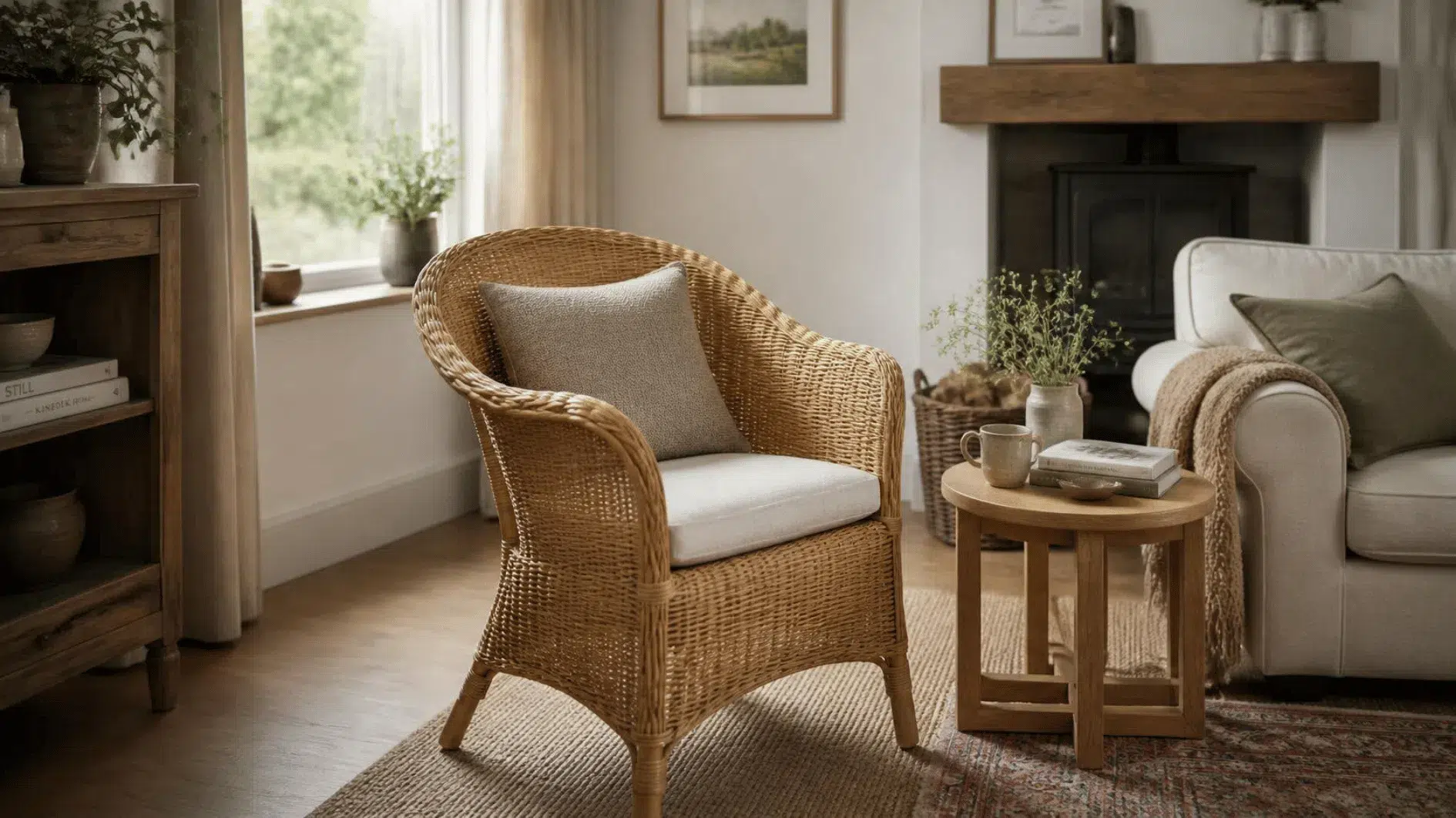
Rattan furniture offers visible weave and natural character for living rooms, dining spaces and bedrooms. But the term can describe different fibres, construction methods and intended uses. A beautiful chair still needs to be stable, comfortable and suited to the room.
This guide explains the differences between rattan, cane and wicker, and compares natural and synthetic woven furniture. It covers frame quality, indoor placement, moisture, cleaning, repair and second-hand checks without treating the material as a guarantee of sustainability.
For a wider introduction to natural fibres and furnishings, see our natural materials for the home guide.
What Is Rattan Furniture?
Rattan is a plant-derived material from climbing palms, used for furniture frames, woven panels and decorative details. The visible texture can suit a contemporary British interior as comfortably as a traditional one. Yet the word rattan on a listing may refer only to a small component, or to a rattan-look style rather than the original material.
Before purchasing, identify the exact materials, frame, finish and intended use. A good woven chair is still a piece of functional seating, with all the construction and comfort requirements that implies.
Rattan, Wicker and Cane: Understand the Difference
Rattan describes a plant-based material. Cane often means the strips used to weave seats, cabinet fronts or chair backs, commonly taken from the rattan palm. Wicker describes the process of weaving strands and can involve natural or synthetic fibres.
An item called wicker furniture need not be made from natural rattan. Check the product composition and find out which areas are structural rather than decorative. A delicate cane cabinet panel should not be treated like a seat.
Natural Rattan Versus Synthetic Rattan
Synthetic rattan is usually a manufactured strand used to make wicker-style furnishings, especially garden furniture. It should not be described as natural plant fibre. Natural rattan is a different material with different moisture and care considerations.
Some synthetic furniture is intended for outdoor exposure, but that depends on the manufacturer’s specifications, frame, finishes and cushions. Not all natural rattan is suitable outdoors, and not all synthetic furniture can withstand every type of weather.
What to Check Before Buying Rattan Furniture
Start with the intended purpose, construction and size. Look for declared frame materials, clear woven-panel photographs, load capacity where applicable, assembly guidance and care instructions. Examine the stability of feet, joints and fastenings as closely as the appearance of the weave.
Ask the retailer for missing specifications instead of guessing. A beautiful chair that does not fit the room or support comfortable daily use is not a successful purchase. Keep the delivery and return conditions in mind when buying bulky pieces.
Assess the Frame, Joints and Stability
Furniture that looks delicate may have a strong frame, and furniture that looks substantial may have poor joints. Examine what supports the seat, tabletop or shelves. Wobbling, cracks, loose screws or uneven contact with the floor are reasons for closer inspection.
Do not use a structurally damaged chair simply because its woven surface appears intact. Seek appropriate repair advice when a joint, seat support or frame may be unsafe. A decorative basket or occasional table should never double as seating without explicit product guidance.
Understand Weave Quality and Construction
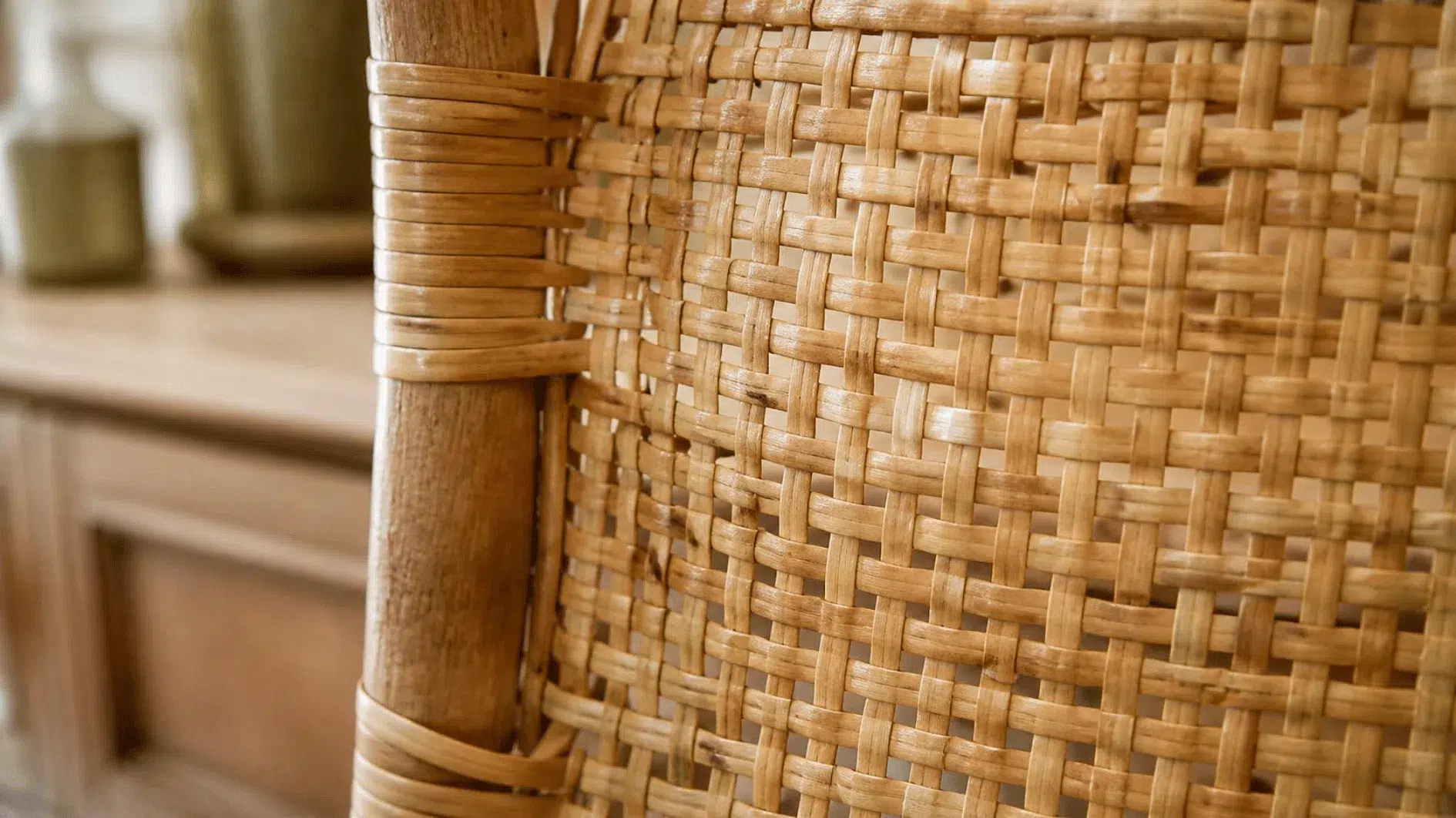
Natural variation in colour and strand thickness can be part of rattan’s character. However, visible split strands, detached ends, wide areas of sagging and broken intersections require attention, particularly on seats or panels in regular use.
Look at where the weave attaches to the frame. A tightly woven finish is not automatically more durable than an open pattern; construction and intended function matter. Check whether a coating or paint conceals damaged material.
Choose a Comfortable Rattan Armchair
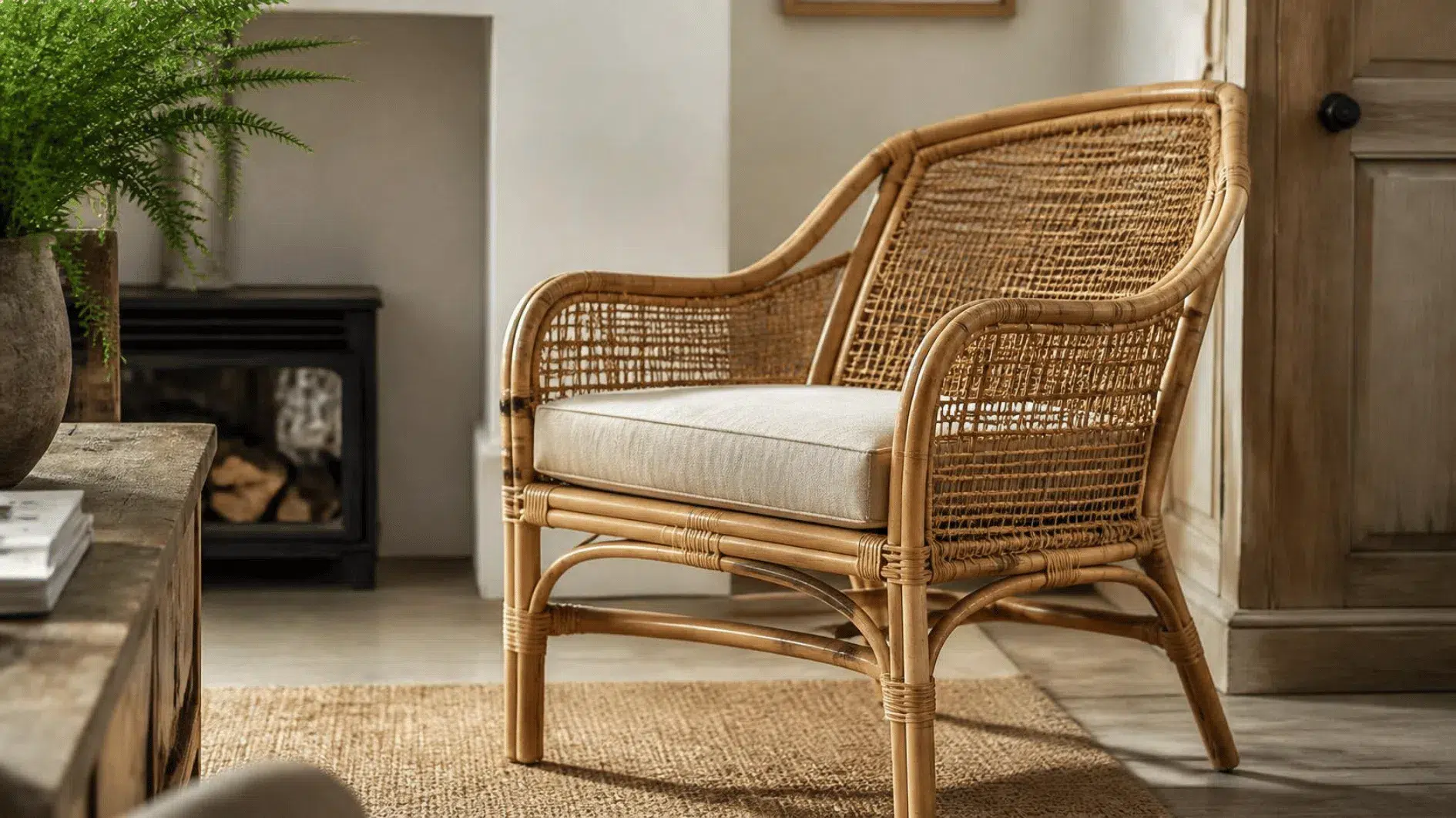
Consider seat height and depth, back support, arms and the ease of standing up. A statement lounge chair may look right in photographs but feel unsuitable for reading, conversation or regular sitting.
If cushions are included, check that they fit securely and can be cleaned appropriately. A cushion should improve comfort, not disguise a broken seat. Compare dimensions with an existing comfortable chair and consult the seller about intended load and use.
Rattan Dining Chairs Need Practical Checks
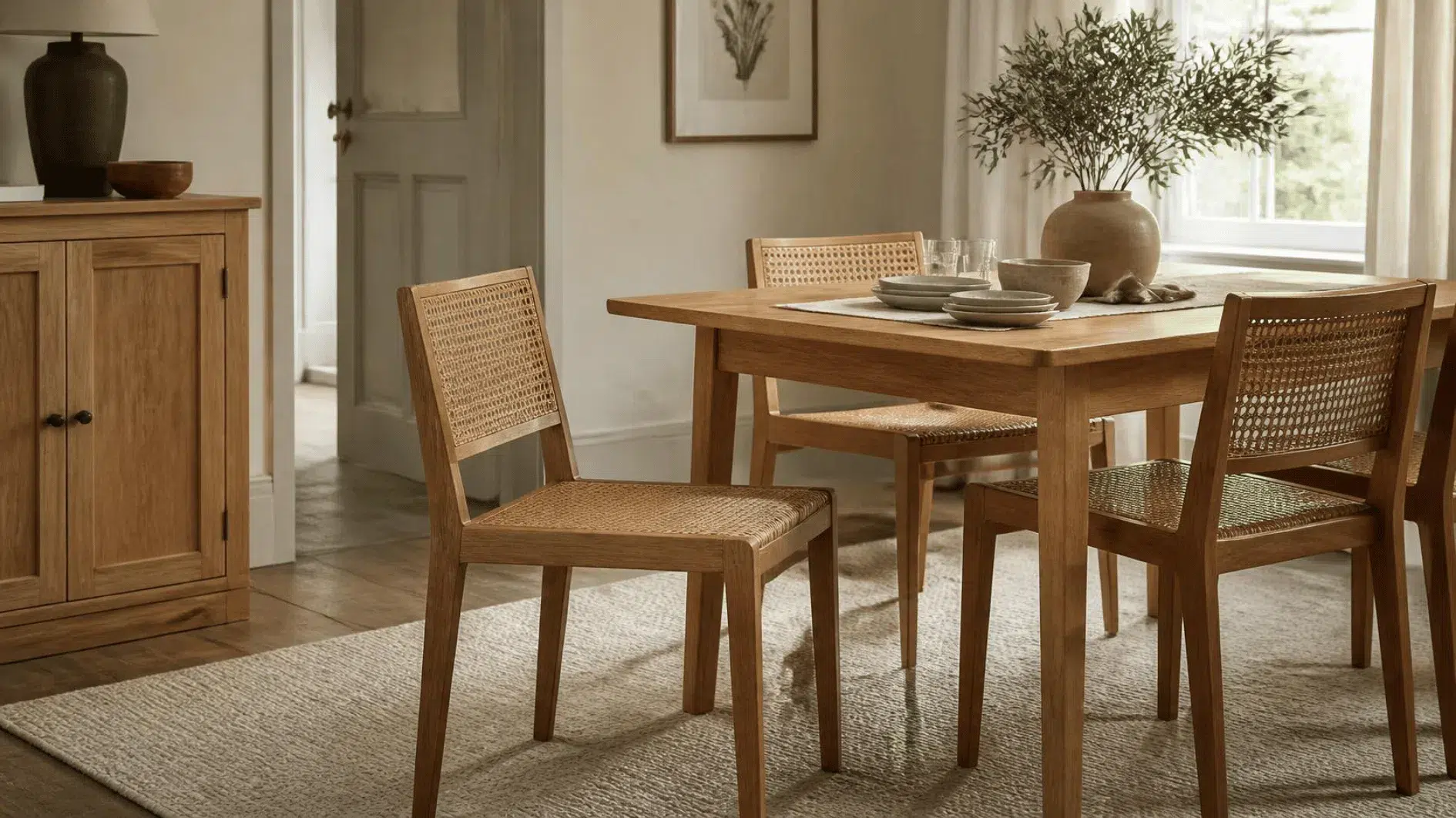
Dining chairs are moved and used repeatedly. Check their weight, leg finish, stability, ease of cleaning and clearance beneath the table. Cane seats and backs must be suitable for their stated function and expected use.
Food and drink spills may be difficult to clean from closely spaced woven strands. Assess cleaning requirements before buying a matching set. A suitable chair should also meet the needs of different household members, not merely match the dining table.
Rattan Side Tables and Occasional Furniture
Rattan may be used for table bases, shelves or decorative fronts while the functional surface is timber, glass or another material. Look closely at how the top is supported and what weight it is designed to carry.
Some woven tabletops do not make a stable surface for small objects or hot drinks. Follow the maker’s instructions on coasters, moisture and care. The whole piece must remain stable and useful even when it is lightly loaded.
Woven Cabinets, Shelves and Storage
Cane-front cabinets and rattan storage baskets introduce pattern without requiring a new furniture scheme. Check the cabinet carcass, hinge strength, drawer runners, weight limits and any furniture anchoring instructions.
A woven panel may be decorative rather than load-bearing. Avoid overloading baskets or placing heavy objects on top of furniture that was not designed for them. Storage works best when the contents are accessible and the unit is safely positioned.
Rattan Furniture in the Bedroom
Rattan headboards, slim bedside units and small woven chairs can complement linen, timber and warm neutral walls. Make sure a headboard fits the bed or mounting system and that woven edges will not snag bedding.
Consider how much space is available around the bed. A visually lightweight extra chair still occupies floor area. Our cosy bedroom ideas guide offers room-layout and lighting advice beyond the choice of material.
Rattan in Small Living Rooms and Flats
An open weave can make furniture appear light, but the dimensions still count. Measure doors, hallways, usable walking routes and the clear space needed to sit or open a cupboard.
A single woven armchair or cabinet may add enough material interest without making the room crowded. Our cosy living room ideas guide discusses proportions, seating arrangements and circulation.
Rattan Outdoor Furniture: Can Natural Rattan Go Outside?
Many natural rattan furnishings are intended for indoor use and may not tolerate repeated wetting or prolonged outdoor exposure. Do not move an indoor chair onto an unsheltered patio because another product is sold as garden rattan.
Choose furniture explicitly rated for the intended setting. Even a sheltered conservatory may experience considerable humidity and temperature variation. Check the entire product, including its frame, finish, feet and cushions.
Sunlight, Heat and Everyday Placement
Plant fibres, paint and finishes may change with prolonged strong light or inappropriate heat. Follow the manufacturer’s recommendations about placement near windows, radiators and heating equipment.
Natural colour variation is often welcome, but an exposed woven seat can age differently from the sheltered portions of the same chair. Think about how the room is actually used and avoid placing vulnerable furniture where it will be repeatedly splashed or overheated.
Moisture and Humidity: What Matters
Natural rattan and cane furniture may be affected by prolonged dampness and standing water. Conditions that are unsuitable for the original finish can also affect glue, joints or accompanying timber components.
Do not rely on a waterproofing claim that the supplier cannot explain. Address condensation, leaks and ventilation problems directly. When a piece is accidentally wet, use the specific manufacturer’s drying instructions rather than applying intense heat.
How to Clean Rattan Furniture: Dust Gently First
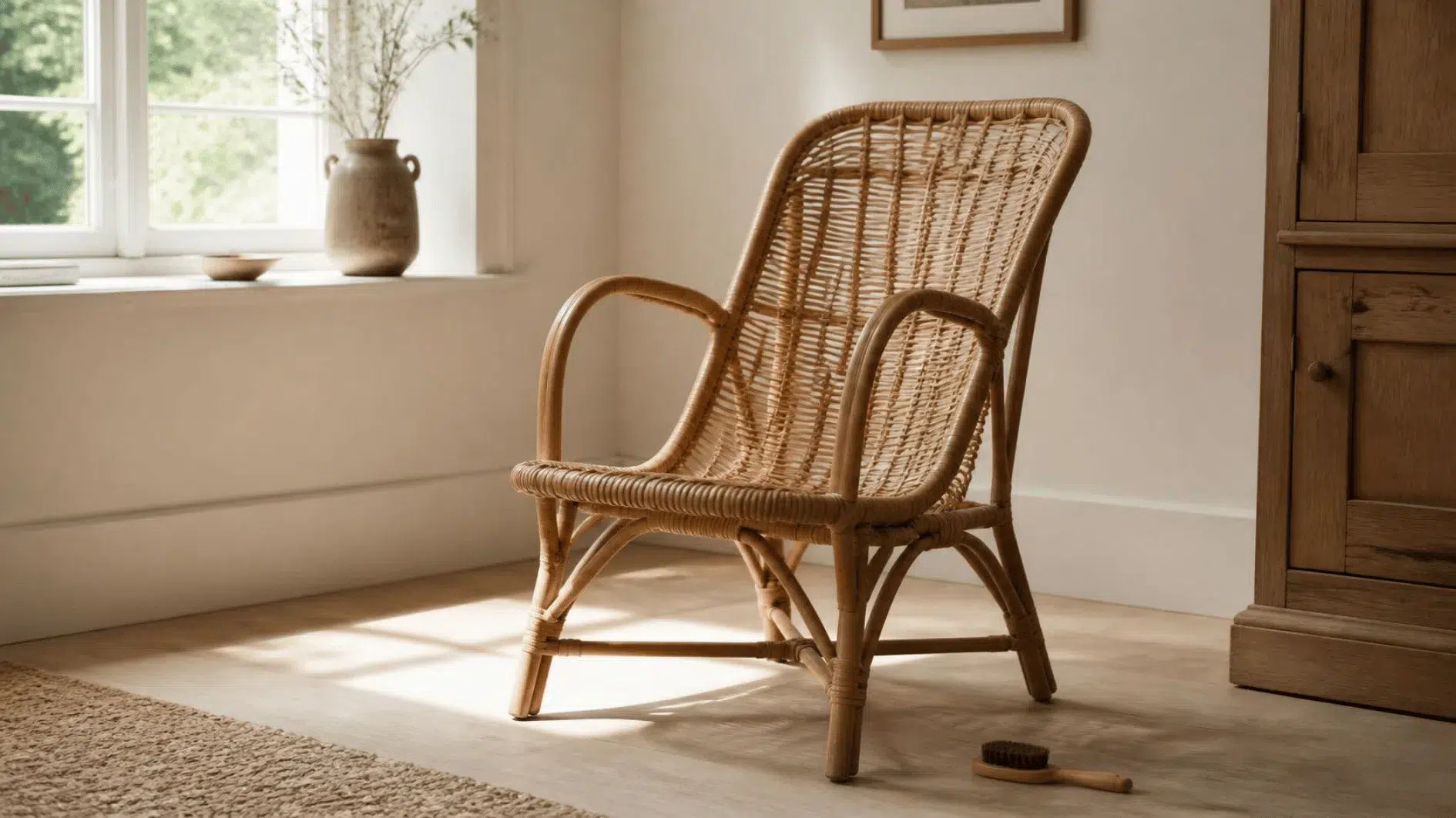
Dust can build up between woven strands and around connections to a frame. Use a method recommended for the particular finish; gentle dusting or a suitable soft brush may be appropriate where the maker permits.
Avoid aggressive scrubbing, excessive force and unsuitable vacuum attachments. Take the opportunity to check for loosened strands or damage, especially where seats are handled frequently. Regular gentle maintenance is generally simpler than cleaning heavily accumulated debris.
Cleaning Spills From Woven Furniture
An appropriate response to a spill depends on whether the piece uses natural rattan, synthetic strands, painted surfaces, timber or separate upholstery. Follow the product’s actual instructions before using water or a cleaning chemical.
Overwetting and forceful rubbing may harm sensitive parts. Do not mix home-made cleaners or apply solvents without evidence that the finish can tolerate them. Cushions and other fabrics may have their own distinct care instructions.
Cane Seats and Backs Require Care
Open cane panels can look delicate while serving as an important part of a chair’s structure. Sagging, loosened edges, broken strands and detached attachments should be checked before using the seat as normal.
Do not assume that soaking or heating a woven panel will tighten it safely. Restoration methods depend on how the piece was originally made and its current condition. A skilled furniture repairer can advise on re-caning or appropriate restoration.
When to Repair Rather Than Continue Using
A chair with a wobbling frame or compromised seat should not remain in daily use merely because it still looks attractive. Stop using it until its safety has been assessed. Covering a problem with a cushion is not a repair.
Replacing a broken panel, tightening a suitable joint or restoring an aged finish may extend a useful piece’s lifespan when done correctly. Compare the repair cost and likely result with the item’s value and practical needs.
Buying Second-Hand Rattan Furniture
Examine vintage and used items closely for joint movement, split fibres, missing weave, sagging seats, odours, damp marks and signs of pests. Ask about storage, earlier repairs and whether the original specifications are known.
Plan safe transport and assess whether restoration is realistic. Age does not guarantee strength or high-quality workmanship. Our second hand furniture guide
Cushions and Upholstery on Rattan Furniture
Some rattan chairs use fitted cushions, while others are designed for direct use of the woven seat. Only add padding that sits securely and does not obscure damage or interfere with the intended function.
Check fabric composition, cleaning guidance, attachment and the safety information applicable to upholstered furniture in the UK. Do not assume that decorative upholstery is suitable for prolonged or heavy everyday use.
How to Judge Quality Claims in Listings
Words such as handmade, artisan, premium and natural do not tell you the capacity, longevity or repairability of a piece. Useful listings provide material composition, close construction photographs, dimensions, use restrictions and care requirements.
Ask for details when they are missing. A clear answer about frame material and where the piece can be used is more valuable than broad marketing language. Buy the product that meets an actual need, not the most elaborate description.
Is Rattan Furniture Automatically Sustainable?
Rattan is a plant material, but environmental impact involves sourcing, harvesting, processing, adhesives, finishes, shipping, lifespan and disposal. Natural origin does not establish that a finished piece has a lower impact than an alternative.
A repairable piece that will be used for years may be a good practical choice. Look for substantiated supplier claims and avoid unnecessary replacement. See our sustainable materials guide for assessing broad environmental statements.
Pair Rattan With Other Natural Materials
Visible cane weaving can complement smooth oak, plain linen, wool or simple ceramics. A single woven chair can add enough texture in a neutral room without matching baskets, lighting and tables.
Consider colour, scale and existing furniture first. Our wool home decor guide covers textile performance, while linen home decor offers fabric and care advice.
Compare Rattan Furniture Types
Natural rattan chairs require checks of their frames, seats, weave and intended indoor conditions. Cane-backed dining chairs add cleaning and seat-tension considerations. Wicker-look outdoor seating needs clear material and weather-resistance specifications.
Cabinets need stable shelves and door fittings; vintage furniture needs condition inspection and possibly specialist repair. Compare products by function and specifications instead of assuming that a woven surface makes them comparable.
Common Rattan Furniture Buying Mistakes
Common errors include confusing wicker with natural rattan, buying an indoor chair for unsheltered outdoor use, overlooking loose joints, ignoring a damaged cane seat and measuring only the chair’s width rather than its full usable footprint.
Other problems arise from excessive wet cleaning, vague sustainability claims and attempts to hide structural damage with cushions. Reading the supplier’s material, use and care information can prevent many of these mistakes.
A Practical Rattan Furniture Buying Checklist
Confirm natural or synthetic composition, frame construction, product dimensions, intended indoor or outdoor use, load guidance and the condition of woven areas. Review seat comfort, assembly requirements, upholstery care, safe placement and delivery access.
Before purchasing, check the returns terms and whether repairs or replacement parts are available. If buying used, inspect stability and previous repairs. Only choose a piece you can maintain and put to useful everyday work.
Frequently Asked Questions About Rattan Furniture
What is the difference between rattan and wicker? Rattan is a material; wicker is a weaving method. Wicker furniture can be natural or synthetic.
Can I leave natural rattan outdoors? Only where the maker states that the piece is suitable for the specific conditions. Many pieces are intended for indoors.
How should I clean rattan? Follow the manufacturer’s guidance for the weave, frame, finish and any cushions; avoid unapproved soaking or harsh methods.
Is rattan seating strong? That depends on frame design, joints, seat construction and the product’s intended capacity—not just its material name.
Is rattan environmentally friendly? A plant origin alone does not establish lower impact; specific sourcing, manufacturing and longevity matter.
Choose Rattan Furniture for Useful, Lasting Service
Rattan furniture can add inviting woven detail, but practical value comes from sound construction, suitable use and manageable care. Assess the actual materials, joints and condition alongside its comfort and proportions.
Work with the furniture you already own and choose new or second-hand pieces with intention. A stable, repairable item that suits its room will generally serve you better than an impressive woven display that is difficult to maintain.

Leave a Reply