

MINDFUL ROUTINES · EVERYDAY MINDFULNESS
Mindful Breaks: Simple Ways to Pause During the Day
A mindful break need not be long or perfectly peaceful. Explore brief moments of attention that fit everyday home and working life without replacing proper rest.

Mindful breaks are small invitations to notice a moment between everyday activities. They might happen after you close a laptop, as you sit with a drink or when daylight catches your attention through a window. There is no need to sit in silence, use an app or follow a strict timer.
These pauses are different from the genuine rest, movement or food you may need during a busy day. They do not promise a particular mental or physical outcome, and they must not replace safe work practices or care responsibilities.
This practical guide offers flexible examples for British homes and home working, including shorter breaks, shared spaces and accessible options. For a broader introduction to everyday awareness, see our mindfulness at home guide.
What Are Mindful Breaks?
Mindful breaks are brief, optional moments in which you choose to notice something about your current experience rather than moving automatically from one activity to the next. They might involve a look out of the window, the feel of a cup in your hand or a moment of noticing the sounds around you.
A mindful break does not have to be silent, lengthy or particularly restful. It also does not need to change how you feel. The idea is to bring deliberate attention to a moment that is already available, while keeping practical responsibilities and comfort in view.
For a wider explanation of everyday awareness, visit our mindfulness at home guide. Here the focus is on short pauses, natural transitions and how to approach them without a prescriptive routine.
Mindful Attention Is Not the Same as Proper Rest
A moment of attention can sit alongside a break, but it is not a substitute for rest. Someone who is tired, hungry, uncomfortable or working for a long period may need to stop, move, eat, drink or take a suitable amount of time away from the task.
If a job requires scheduled rest periods, safe staffing or other workplace measures, follow those requirements rather than replacing them with short awareness exercises. A few seconds of noticing cannot make unsafe working conditions acceptable.
Likewise, a pause is not a treatment for anxiety, sleep problems or persistent distress. Keep health-related support and sensible working practices separate from these general lifestyle ideas.
There Is No Perfect Length for a Mindful Break
A mindful break can be a few seconds of noticing a detail as you put down a book or leave a room. It can also be part of a longer period of genuine rest, if you find that useful.
You do not need a timer, a target number of pauses or a record of how often you practise. A routine designed around strict intervals can become one more task to manage.
Choose a moment that fits naturally, then stop when you want to. If nothing practical or enjoyable comes from it, you are free to leave it out.
Notice the Space Between Everyday Tasks
Transitions provide an uncomplicated place to begin. Closing a laptop, finishing washing up or arriving back in the sitting room already marks a shift in activity. You can notice one thing about the surroundings before continuing.
The next responsibility may require immediate attention, and that is fine. Do not delay responding to a child, cooking safely or performing another time-sensitive duty to finish an exercise.
The advantage of a transition is that it does not require you to create additional time in a crowded schedule.
Look Out of a Window for a Moment

A window offers changing light, weather, movement and colour without needing a special setting. You might notice how daylight falls on a wall, the shape of a cloud or a tree moving in the wind.
There is no requirement to search for a peaceful view. A busy street or an ordinary courtyard can also provide something to observe, while some people may prefer an indoor object instead.
Keep the window safe to access and do not lean out or obstruct a route for the sake of a better view. The small observation matters more than the scene.
Take a Brief Pause Away From a Desk or Screen
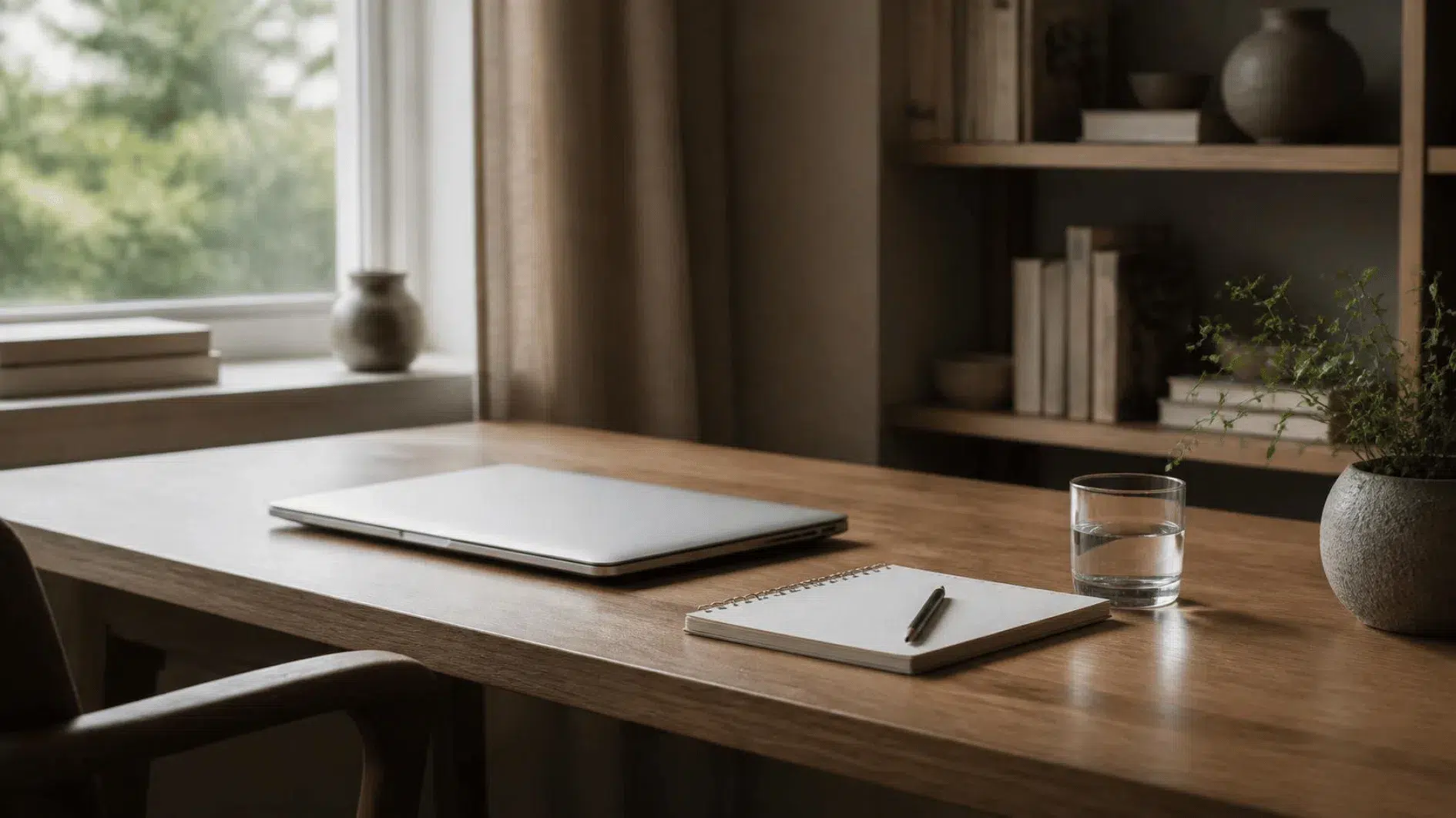
When you finish a piece of computer work, it may be useful to notice your position, the objects on the desk or the light in the room before selecting the next task. This is different from a formal break from screen work.
Follow applicable ergonomic, accessibility and workplace break guidance. If you need to get up, adjust a work area or genuinely rest your eyes and body, allow time for those needs rather than substituting a moment of attention.
A mindful pause is optional. It should not be used to make an excessive or unsafe workload appear manageable.
Put Down a Device With Intention
Devices are useful for work, household organisation, relationships and accessibility. Mindful breaks do not demand a screen-free lifestyle or judgement about normal device use.
At a natural stopping point, you may notice whether you want to continue with the device, attend to something else or take a real break. The decision is yours and may depend on obligations.
Our simple living ideas guide covers broader household and digital systems; here the subject is a single moment of attention rather than changing technology habits.
Use a Familiar Drink as a Gentle Pause

A cup of water, tea or coffee can provide an ordinary pause without becoming a special ritual. You might notice the mug’s weight, the surface of the liquid or the setting where you are sitting.
Handle hot drinks safely and choose drinks appropriate to your needs. A sensory exercise must not distract you when pouring boiling water or carrying a hot cup.
You do not have to sit quietly until the drink is finished. A brief moment of observation can fit into a normal break or conversation.
Choose One Comfortable Sensory Detail
You can direct attention to a colour, everyday sound, texture or another accessible feature of the setting. There is no rule that all five senses must be involved.
Sensory experiences vary. A strongly scented candle or diffuser might be unpleasant or unsuitable for someone with sensitivities, and internal sensations such as breathing may not feel comfortable for everyone.
Choose a neutral external object or opt out whenever you prefer. Mindful attention does not require imposing a particular experience on yourself.
Pause While Sitting Comfortably
A familiar chair can provide a convenient place to stop between activities. It need not be a dedicated meditation chair, and you do not need to adopt an uncomfortable posture.
Notice the chair’s shape, the light in the room or a nearby object if you wish. Adjust your position according to your comfort, mobility and any appropriate care guidance.
For the design of a practical sitting space, our cosy living room ideas guide discusses comfortable seats, useful lamps and straightforward furniture placement.
Let Movement Be a Practical Break
Some tasks involve sitting for long periods, while others are already physically demanding. A change of posture or gentle movement may be appropriate, depending on your needs and the activity.
You can notice the surroundings as you walk safely across a room or step into another space. Do not make movement an attention challenge where stairs, traffic, uneven surfaces or other hazards demand concentration.
Take normal rest and movement needs seriously. The mindful component is optional, not a replacement for relevant health or workplace advice.
Use a Doorway or Room Change as a Reminder
Walking from one room to another naturally marks a change in setting. If convenient, you might notice the daylight, temperature or one object in the next room.
Avoid turning every doorway into a compulsory stopping point, especially in a busy or shared home. Keep doorways, halls and routes accessible and do not pause where you obstruct others.
A reminder can be loose and occasional. The idea should work around the household rather than control it.
Step Outside When It Is Practical and Safe
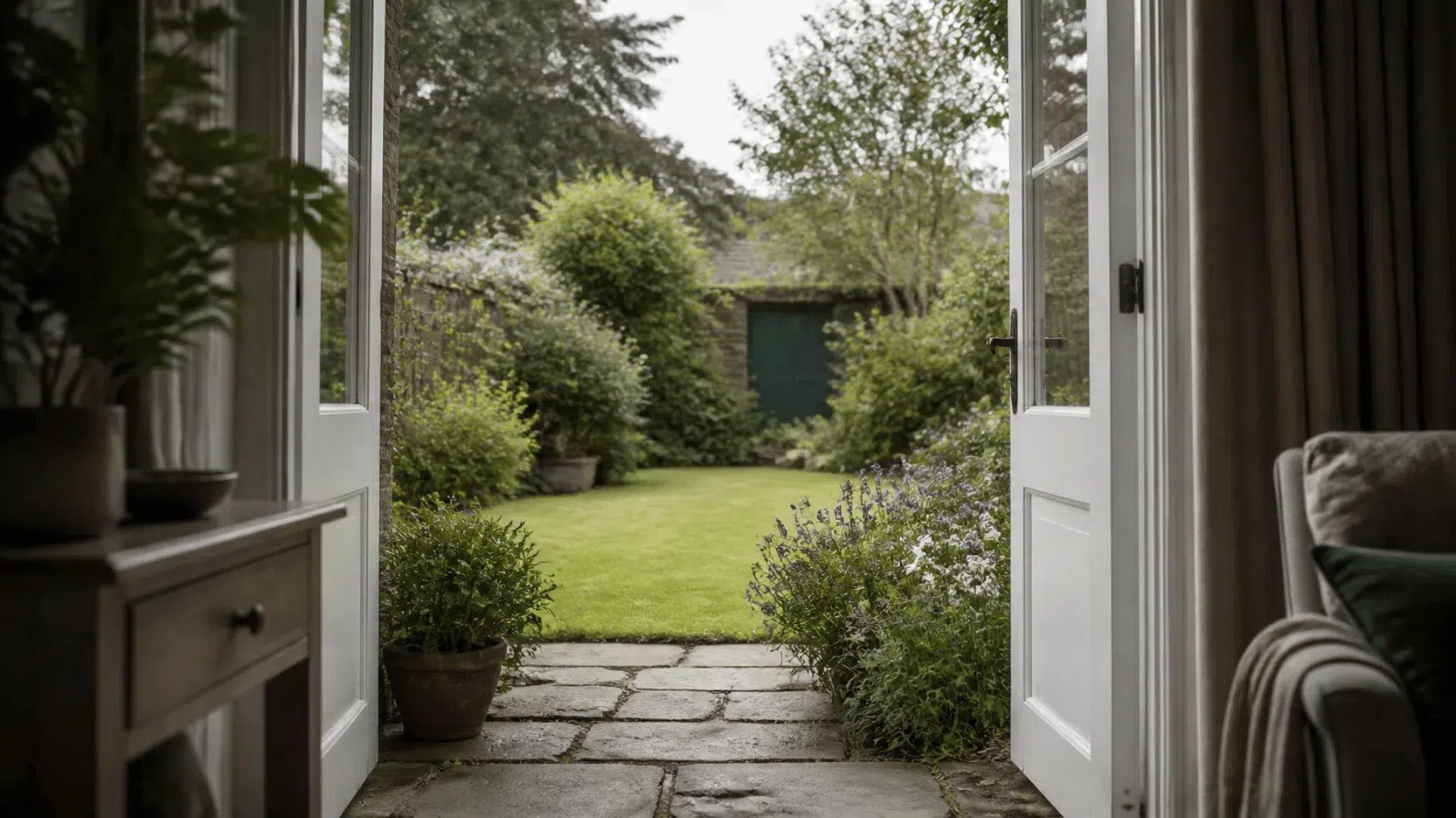
A garden, balcony, doorstep or suitable outdoor area may offer fresh surroundings, natural light and everyday sounds. A short time outdoors can be an ordinary break, with or without deliberate attention.
Check weather, accessibility, supervision and environmental conditions. Not every home has private outdoor space, and nobody needs to seek it out to practise mindfulness.
If being outside does not suit the situation, a comfortable indoor view or familiar room offers other possibilities.
Notice Indoor Greenery Without Adding Maintenance
If you already care for a houseplant, its leaves, growth and changing position in the light may provide something to notice during an ordinary break. You do not need to buy greenery for this purpose.
Keep watering and plant care based on the species’ actual needs, not the wish to create a daily attention exercise. Protect surrounding furnishings from moisture.
For practical species and placement advice, see our indoor plants guide. A plant is a living object with care requirements, not a mindfulness product.
Pause After Completing a Household Chore
Finishing laundry, putting away dishes or clearing a safe surface may offer a natural stopping point. You might take a second to notice that the space is ready for its next use.
Do not repeat chores solely to create mindfulness opportunities or keep cleaning after a task is complete. Correct hygiene, product instructions and the household’s actual needs determine what cleaning is necessary.
Our mindful cleaning guide explores optional attention within real chores while keeping cleaning safety first.
Try a Natural Pause in the Morning
Mornings can be busy and unpredictable. You may notice light while opening the curtains or the sound of a familiar household activity, without setting aside a formal session.
Practical duties, travel arrangements and caring responsibilities take precedence. You do not need to start earlier or purchase accessories to fit in an attention exercise.
Our morning routine ideas guide covers how to build a workable morning; mindful breaks are simply one optional part of an existing day.
Find an Afternoon Pause Without Another Alarm
The end of a meeting, a completed household task or a transition between activities may provide a convenient afternoon moment. You can notice where you are, choose what needs doing next and continue.
A break can also mean taking appropriate time for food, water, movement or rest. Those needs are not satisfied by a brief exercise alone.
There is no universal number of pauses that makes a day better. An occasional observation is enough for someone who finds the approach helpful.
Use an Evening Pause Without Inventing a Ritual
Putting away a book, drawing curtains or turning off a lamp may mark the move towards evening. Noticing one detail during the transition is optional and need not change the time spent on other activities.
Households have different schedules, so quiet and uninterrupted evenings cannot be assumed. A shared home may have conversation, work or care duties continuing late.
For practical approaches to winding down without rigid rules, read our evening routine ideas guide.
Make Mindful Breaks Work in a Shared Home
A busy household does not have to become silent for one person to take a brief pause. You might notice a familiar object while sitting at the table or choose a natural gap between responsibilities.
Respect other people’s routines and privacy. Do not ask household members to participate or restrict their normal activities simply to create a prescribed atmosphere.
If you are supervising children or caring for someone, their needs take priority. A break may need to wait until suitable support or supervision is available.
Keep Mindful Breaks Realistic When Working From Home
Working from home can make household tasks, messages and paid work feel intertwined. A small pause between them may provide an opportunity to notice the shift, but it cannot resolve unrealistic demands on your time.
Keep appropriate boundaries and follow applicable working conditions. Protect meal breaks, rest and ergonomic adjustments rather than counting brief observations as replacements.
If the workday does not allow adequate rest or safe conditions, address that practical problem directly instead of adding an attention routine.
Adapt Mindful Pauses to Your Abilities and Preferences
A pause need not involve standing, closing the eyes, holding a posture or paying attention to breathing. Some people prefer an external sound or visual detail; others may choose a tactile object.
Accessibility needs vary. Choose a setting and approach compatible with mobility, sensory differences, energy and any relevant support.
You may end the exercise whenever you like. Its value is not determined by how closely it resembles a standard instruction.
What If a Mindful Break Feels Uncomfortable?
Not everyone experiences deliberate attention as pleasant. Some exercises may feel awkward, distracting or distressing, particularly when they direct attention to bodily sensations or thoughts.
If this happens, stop, choose a different external focus or spend the break doing something else. There is no obligation to continue an approach that makes the moment less manageable.
These are general lifestyle suggestions, not a therapy programme. Significant or persistent symptoms warrant appropriate support from a qualified professional.
Avoid Buying Accessories for a Simple Pause
You do not need a meditation cushion, special tea set, timer, journal or fragrance product to notice an everyday moment. The chairs, cups and surfaces already in your home are sufficient.
Buying more objects can introduce new maintenance and expense without solving a practical need. Select any item because you genuinely use and value it, not because mindfulness is said to require it.
Our slow living guide discusses thoughtful purchasing and more manageable routines as distinct subjects.
Seven Simple Mindful Break Ideas
| When a pause is possible | What you might notice | Practical priority |
|---|---|---|
| After closing a laptop | The light and objects on the desk | Take genuine screen and movement breaks as needed. |
| While holding a cool drink | The cup’s weight or colour | Handle hot liquids safely. |
| By a window | A passing cloud or change in daylight | Keep window access safe. |
| After folding laundry | A familiar fabric texture | Finish the necessary task normally. |
| Between rooms | One object in the next space | Do not obstruct doors or stairs. |
| Beside a houseplant | A leaf’s shape or changing light | Care for plants according to their needs. |
| At a natural end to work | The next practical thing you need | Preserve adequate rest and appropriate work boundaries. |
These are possibilities, not tasks to complete. You can choose one or none, and you do not need to remember it every day.
Common Mistakes With Mindful Breaks
- Replacing proper rest. A brief observation is not a substitute for recovery, meals or movement.
- Using strict reminders. An optional pause need not become another productivity target.
- Expecting instant calm. Attention does not guarantee a particular emotional outcome.
- Insisting on closed eyes or breathing exercises. Use accessible external details if preferred.
- Interrupting safety-critical tasks. Hazards and responsibilities come first.
- Buying unnecessary supplies. Familiar objects are sufficient.
- Pressuring household members. People can choose their own routines.
- Continuing when uncomfortable. Stop or adapt the exercise without self-judgement.
A Practical Mindful Break Checklist
- Use a natural pause or transition in the day.
- Check whether you need genuine rest, food, movement or another practical break.
- Choose an ordinary visual, tactile or auditory detail if helpful.
- Keep responsibility for children, work and safety at the centre.
- Do not create an exact schedule unless it genuinely suits you.
- Skip internal sensations if they feel unpleasant.
- Do not buy products or demand a special room.
- Allow interruptions and change plans as needed.
- Stop the exercise whenever you wish.
- Return to daily activities without evaluating your performance.
Frequently Asked Questions About Mindful Breaks
What is a mindful break?
A mindful break is a brief, optional moment of deliberate attention, often taken during a natural transition. It does not have to be meditation or last a set amount of time.
How long should a mindful break be?
There is no universal duration. It might be a few seconds of observing a familiar object or part of a longer period of suitable rest.
Can I take mindful breaks while working from home?
Yes, at appropriate moments, but maintain real rest, ergonomic practices and applicable workplace safety requirements. An attention exercise does not replace them.
Do I need to close my eyes or focus on breathing?
No. You can notice external light, sound or a neutral object, remain in a comfortable position or skip the exercise.
Can mindful breaks reduce anxiety or replace therapy?
Do not use them as a substitute for treatment or promise a health outcome. Seek qualified help for persistent or significant distress.
What if I forget to take mindful breaks?
Nothing needs correcting. The activity is optional, and you do not need a streak, alarm or tracking system.
Leave Room for Ordinary, Unplanned Pauses
Mindful breaks can be very simple: noticing the view from a window, a familiar cup or the change between two household activities. Their appeal is that they can fit around life without demanding a new ritual.
Choose what is comfortable, keep practical responsibilities first and make time for real rest when needed. A pause that remains optional is easier to live with than another schedule to maintain.

Leave a Reply