

MINDFUL ROUTINES · EVERYDAY MINDFULNESS
Mindfulness at Home: A Practical Guide to Everyday Awareness
You do not need a quiet room, a long routine or new products. Discover approachable ways to notice ordinary moments as home life carries on.
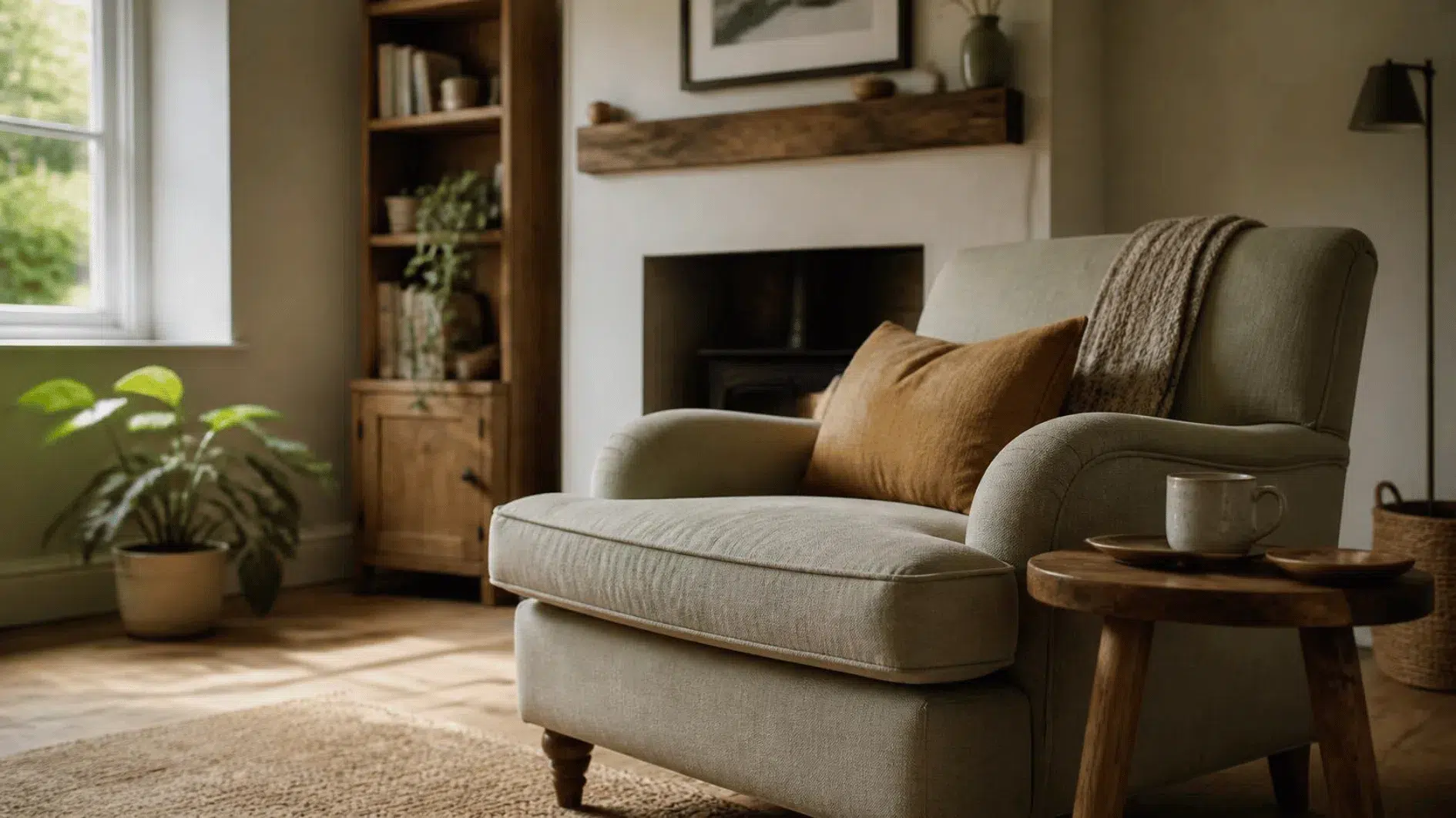
Mindfulness at home does not require a spotless living room, a particular routine or an uninterrupted period of silence. It can be as modest as noticing what you are doing while folding a towel, preparing a familiar drink or sitting beside a window.
The idea is to bring deliberate attention to an ordinary moment, not to promise a particular emotional result. You can be busy, distracted or surrounded by everyday household activity and still decide to notice something for a few seconds. Equally, you can stop if the exercise does not feel useful.
This practical guide explains how to explore everyday awareness without making it another responsibility. It distinguishes mindfulness from slow living and meditation, gives flexible examples for household activities, and keeps real-world safety, accessibility and personal preference at the centre.
What Does Mindfulness at Home Mean?
Mindfulness at home means deliberately noticing some part of your present experience while you go about ordinary life. You might notice the warmth of a mug, listen to the sound of rain outside a window or pay attention to what you are doing as you put away clean clothes. Nothing about the moment needs to be especially peaceful.
This is an invitation to bring attention to familiar activities, not a requirement to feel calm or positive. A busy kitchen, shared living room or small rented flat can offer opportunities to notice what is happening.
It also does not require new objects or a dedicated room. A useful starting point is an activity you already do and can approach with a little more deliberate attention.
Mindfulness, Meditation and Slow Living Are Not the Same
Mindfulness concerns how you attend to an experience. Meditation is one possible structured practice involving attention. Slow living tends to concern pace, priorities and how routines are organised. These ideas can complement one another, but you can explore one without adopting the others.
For example, washing a cup with attention to the task is different from setting aside time for a seated meditation session. Choosing to own fewer cups belongs more naturally to intentional consumption or simplifying routines.
Our slow living guide explores pace and priorities; simple living ideas covers practical changes to the home. This article concentrates on awareness during activities you already undertake.
Treat Awareness as a Choice, Not Another Task to Perfect
It is easy to turn a useful idea into a demanding self-improvement routine. You do not need to pay close attention throughout every meal, pause at exact times or record how many mindful moments you have completed.
Attention naturally shifts. When you notice that you have become distracted, you can return to the activity if doing so is useful. There is no need to judge the interruption or make the next attempt longer.
Some days are noisy, pressured or tiring. On those days, a practice can be very brief, postponed or skipped entirely.
Start With One Familiar Moment
Choose a predictable activity that is already part of your day: opening a curtain, putting on the kettle, watering a plant or sitting down before beginning work. It is easier to remember an existing action than to invent a complicated schedule.
- Choose an ordinary activity that is safe and reasonably familiar.
- Notice one simple detail, such as a sound, movement or texture.
- Continue the task normally rather than slowing it artificially.
- If your attention moves elsewhere, return only if you wish.
- Stop when the task is finished; there is no minimum duration.
A few seconds can be enough to explore the idea. The point is an intentional moment of noticing, not its length.
Use an Everyday Action as an Attention Anchor
An anchor is simply something you choose to notice. It could be the contact of your feet with the floor while standing, the movement of a cloth across a dry surface or the sound of water running while washing your hands.
An anchor should not make the activity unsafe or more demanding. Keep your eyes and practical attention on anything involving heat, sharp tools, traffic, children or hazards.
You can change the anchor whenever you like. If focusing on bodily sensations or breathing feels uncomfortable, choose an external detail such as a colour, a sound or an object.
Notice the Senses Without Following a Fixed Exercise
Sight, sound, touch and smell offer easy ways to observe a familiar space. You might notice the changing daylight on a table or the weight and texture of a folded towel.
You do not have to engage all five senses, and sensory experiences are not the same for everyone. Avoid strong scents or additional sensory stimulation just to follow an exercise, especially around sensitivities or household pets.
If a sound, sensation or situation is unpleasant, you can change your focus, leave the activity or stop. Mindfulness should remain optional and adaptable.
Find a Brief Moment in the Morning
Mornings may be rushed, noisy and full of competing tasks. Instead of designing an idealised quiet routine, notice one part of something already happening: opening the blinds, taking the first sip of a drink or arranging breakfast.
Keep the practical task in view. If you are responsible for children, cooking or getting out of the house, meeting those responsibilities is more important than concentrating on an exercise.
Our morning routine ideas guide looks at the broader structure of a useful morning. You can add a moment of attention to any workable schedule without redesigning it.
Use Making Tea or Coffee as an Everyday Example

Making a familiar drink provides a sequence of small actions: selecting a mug, preparing the ingredients, pouring and finding a place to sit. You might notice the sound of the kettle or the feel of the handle in your hand.
Be careful around boiling water, steam and hot equipment. Mindful attention should reinforce normal caution, not distract you from safe handling.
You do not need a special teapot, ceremonial accessories or a long pause. The familiar mug already in the cupboard is sufficient.
Pay Attention During Simple Food Preparation
Preparing food can involve texture, colour, movement and familiar sounds. One way to bring attention to the task is to notice the ingredients or how you organise the worktop before beginning.
Food hygiene, temperature control, sharp knives and allergy precautions still come first. Avoid attention exercises that could distract you from a hazardous or time-sensitive cooking step.
You may find it more convenient to notice a detail while washing produce, arranging a table or tidying a safe part of the worktop rather than during the most demanding part of cooking.
Let Some Meals Be Ordinary Moments of Attention
At a meal, you might notice the colour of the food, how a utensil feels or the sounds of conversation. The point is to observe what is already present, not to impose strict rules about how quickly or how much anyone should eat.
Meals may be social, hurried or shaped by care responsibilities. Mindfulness does not require eating in silence, removing devices in every circumstance or monitoring appetite.
If focusing on eating feels stressful or unhelpful, choose an unrelated household activity instead. This article is not dietary or treatment advice.
Bring Attention to Simple Cleaning Tasks
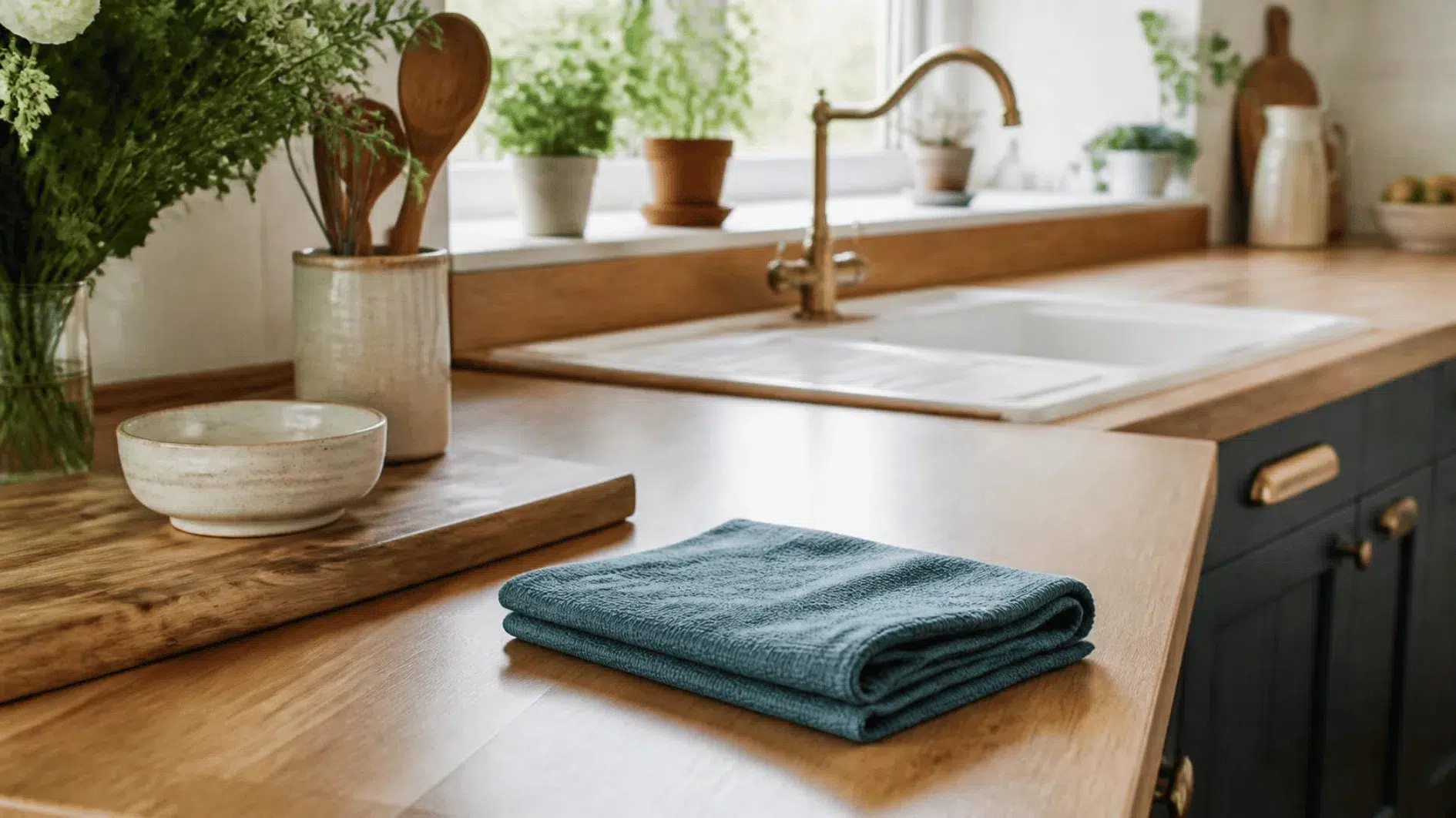
Wiping a safe surface, putting items away or sweeping a small area can provide a practical moment to notice movement and the result of an ordinary task. This does not turn cleaning into an obligation to feel calm.
Use appropriate cleaning products for the surface and task, follow their labels and maintain ventilation and household safety. Never mix household chemicals to create a scent or make an activity feel more mindful.
Our household cleaning products guide explains how to choose a straightforward, effective routine. Our Mindful Cleaning guide focuses on attention during practical chores.
Try a Moment of Attention While Folding Laundry
Folding a towel, sorting clean socks or putting away a shirt may be repetitive enough to allow a simple observation: the feel of fabric, the movement of your hands or the appearance of a clear shelf.
There is no need to slow every fold or create a precise ritual. You can work efficiently while noticing an occasional detail.
If you are rushed, tired or managing someone else’s care, finishing the task in your usual way may be the most sensible choice.
Separate Mindful Attention From Decluttering
Mindful tidying is noticing what you are doing as you return a few things to their usual places. Decluttering is making decisions about which possessions to keep, move on or dispose of. These are related but different activities.
You might give your attention to placing keys on their hook or clearing the table after a meal. A large sorting project requires additional planning and should not be made more complicated by attention techniques.
For decisions about possessions, use our how to declutter your home guide or home organisation ideas.
Notice Transitions Between Activities
Small transitions are easy to overlook: finishing an email, walking into the kitchen, turning off a lamp or putting down a book. These moments can offer a chance to observe where you are before moving on.
You may choose to notice your surroundings, check what you need next or simply continue. Not every transition must become a pause.
A brief transition can be particularly practical because it does not require rearranging a schedule or adding special equipment.
Take a Brief Mindful Break Without a Strict Schedule
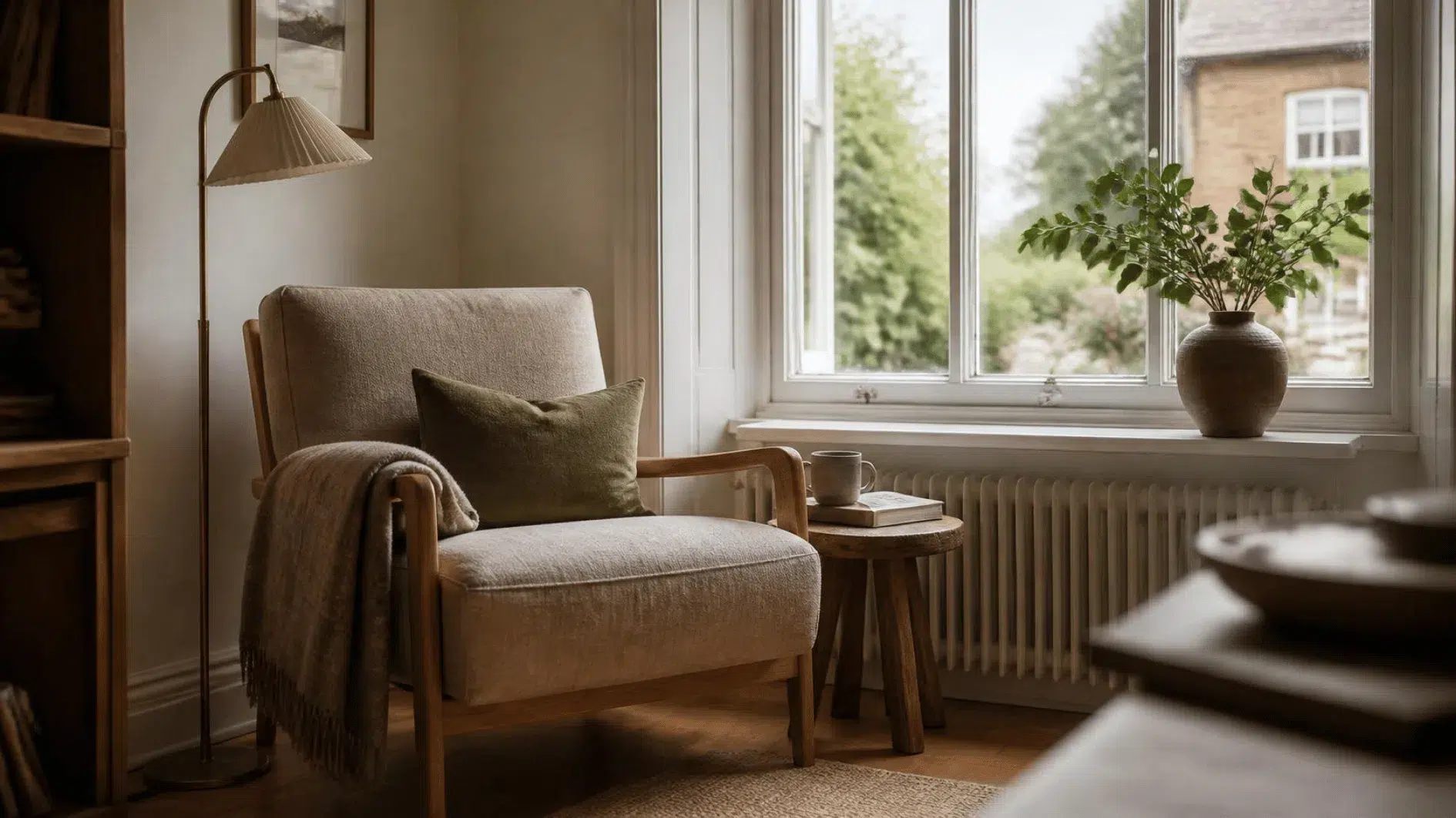
A mindful break might mean stepping away from a task for a moment and noticing a view, a sound or the chair beneath you. It need not be a long or silent session.
Take ordinary rest, hydration and movement needs seriously; attention practices are not substitutes for sufficient breaks or safe working conditions.
Our Mindful Breaks guide focuses on flexible pauses that fit working and household days without rigid targets.
Pay Attention to Screen Habits Without Strict Rules
Devices are often necessary for work, family contact, access needs and everyday organisation. Mindfulness does not require treating screens as inherently harmful.
One simple example is noticing why you picked up a device and whether you want to continue with that task. You can decide to keep using it, put it down or return later.
Our simple living ideas guide discusses digital organisation as a practical systems question. Here the focus is a moment of choice, not a blanket screen-time rule.
Listen to the Sounds Already Around You
The hum of a household appliance, birds outside, distant traffic or a familiar tune may be available to notice. You do not need to manufacture silence or play specially recorded audio.
Some sounds are intrusive or distressing. If listening to the environment makes you uncomfortable, use sight, touch or another neutral external reference instead.
A shared home rarely offers complete quiet. An optional listening moment should fit the home you have rather than set an unrealistic standard.
Choose a Convenient Place, Not a Special Mindfulness Room
An armchair, a place at the dining table or a seat beside a window can support a brief moment of attention. You do not need a dedicated corner decorated with candles, plants or cushions.
Choose somewhere comfortable, accessible and suitable for the activity. Avoid creating obstacles or leaving hot drinks, fragile objects and cords in unsafe positions.
If you are interested in the wider feel of a room, our cosy home ideas guide considers lighting, layout and useful furnishings. Those design decisions are separate from mindfulness itself.
Use Mindful Journaling for Simple Observation

Writing is an optional way to notice thoughts and experiences. A few lines about an ordinary event, a particular sound or something that occupied your attention can be enough. No perfect handwriting or elaborate notebook is required.
Avoid turning journaling into a daily performance review. You do not have to write every day, produce positive reflections or share private entries.
Our Mindful Journaling guide explores straightforward prompts, privacy and ways to keep reflective writing manageable.
Try Simple Reflection Prompts Without Pressure
If you like writing, a prompt can help you begin. Choose a question that feels neutral and practical rather than demanding an emotional answer.
- What did I notice around me during one ordinary activity today?
- Which familiar object was useful to me?
- Was there a sound, colour or texture that caught my attention?
- Is there one task I would prefer to simplify tomorrow?
You can answer with a phrase, a sentence or nothing at all. If a prompt feels unhelpful, change it or leave it.
Practise Attention in a Shared or Busy Home
Mindfulness at home does not require everyone else to be quiet or interested in the same idea. A crowded household can still provide a moment to notice your surroundings while completing normal responsibilities.
Do not ask other people to change their behaviour solely to support your practice. Respect privacy, shared spaces and different comfort levels.
If you care for children or other family members, their safety and needs always come first. Practising awareness can wait until responsibilities allow.
Keep Everyday Awareness Optional for Children
Some families enjoy drawing attention to ordinary things: the shape of leaves, the sound of rain or colours while setting the table. These observations should be playful and optional, not assessed or enforced.
Avoid suggesting that an activity must make a child calm or compliant. Children experience concentration and sensations differently, and their preferences deserve respect.
Choose age-appropriate, safe activities and supervise as needed. Do not use a mindfulness exercise in place of appropriate medical, educational or behavioural support.
Make the Practice Accessible and Adaptable
Not everyone can comfortably sit still, concentrate on breathing, hear particular sounds or feel certain sensations. Everyday attention can be adapted around mobility, sensory access, energy and individual needs.
If attention to the body or internal sensations feels unpleasant, use an external object or sound instead. You may also keep your eyes open, move naturally or skip the activity entirely.
There is no ideal posture or duration. The practice is optional; the way it fits the person matters more than following a standardised description.
What to Do When Your Mind Wanders
Thoughts, responsibilities and interruptions are part of ordinary life. Noticing that attention has moved is itself an observation; it need not be treated as failure.
You may gently return to the chosen activity when appropriate, or simply get on with what needs doing. If a child needs help or a timer rings, respond to that situation.
A practical approach does not depend on staying focused for long periods. Avoid measuring success through an unbroken concentration streak.
Know When an Attention Exercise Is Not Helpful
Mindfulness is not an obligation and does not suit every person or moment. If concentrating on sensations, thoughts or surroundings increases distress, stop or choose a different activity.
The suggestions in this article are general lifestyle ideas, not a therapy programme or medical treatment. Persistent mental health symptoms, significant distress or difficulties with daily functioning call for appropriately qualified support.
In urgent situations, prioritise immediate safety and the relevant local emergency or health services rather than continuing an exercise.
You Do Not Need Special Products or Fragrance
A candle, diffuser, special cushion or app is not necessary to notice an everyday activity. An accessible chair, your usual mug and the objects already in the room are sufficient.
Fragrance can be unwelcome or unsuitable for some people and pets. Do not add essential oils or burning candles because you believe mindfulness requires them.
If you independently enjoy fragrance products, follow their usage and safety guidance. Our room diffuser guide
Common Mistakes With Mindfulness at Home
- Turning it into another strict routine. A few optional moments are enough.
- Expecting to feel calm immediately. Noticing does not guarantee a particular emotion.
- Forcing sensory exercises. Choose what feels accessible and comfortable.
- Using attention techniques during hazards. Stay focused on safety-critical tasks.
- Buying unnecessary accessories. Existing objects are sufficient.
- Making others participate. Shared homes require respect for different preferences.
- Confusing mindfulness with treatment. Everyday observation is not a substitute for qualified care.
- Judging distractions as failure. Interruptions are normal and can be handled practically.
A Simple Mindfulness-at-Home Checklist
- Choose one safe, familiar activity you already perform.
- Decide whether a sight, sound, movement or texture would be comfortable to notice.
- Continue the activity normally while observing one detail.
- Keep household duties and physical safety the priority.
- Let attention move naturally without demanding perfect concentration.
- Skip or change an exercise if it feels unpleasant.
- Avoid buying products or making schedules you do not need.
- Treat journaling and breaks as optional rather than compulsory.
- Allow family members to make their own choices.
- Return to everyday life without evaluating your performance.
Frequently Asked Questions About Mindfulness at Home
How do I start practising mindfulness at home?
Choose a familiar, safe activity such as folding a towel or making a drink and notice one simple detail while doing it. You do not need a set duration, equipment or a quiet room.
Can household chores be mindful?
Yes, chores can provide opportunities to notice movement and surroundings. The practical task and its safety instructions must still take priority.
Do I need to meditate to be mindful?
No. Meditation is one possible structured activity. You can also choose to pay attention briefly during everyday moments without practising formal meditation.
What if my home is noisy or I am easily distracted?
Choose an ordinary visual or tactile detail that works for you. Complete silence and uninterrupted concentration are not requirements.
Can mindfulness at home replace treatment for stress or anxiety?
No. These are general everyday awareness ideas, not medical or psychological treatment. Consult a qualified professional for persistent or significant symptoms.
Do I need a journal or mindfulness app?
No. Both are optional. You can notice a moment and move on without recording it or using technology.
Make Mindfulness an Option Within Everyday Life
Mindfulness at home need not be elaborate. A small moment of noticing while making tea, tidying a safe surface or sitting near a window can be a complete experiment in everyday attention.
Keep the approach flexible and practical. Choose moments that are useful or enjoyable, leave them when they are not, and allow daily life to continue without turning awareness into another responsibility.
EVERYDAY MINDFULNESS · PRACTICAL GUIDES
Explore Everyday Mindfulness

Leave a Reply