

SPACE & LIGHT · CALM SPACES
Sensory-Friendly Home: Ideas for Lighting, Sound and Layout
Practical, adaptable ideas for light, sound, textures and access—guided by the people who live in the home, not a fixed decorating formula.

A sensory-friendly home should be shaped by the people who use it. One person may prefer bright, clear task lighting; another may value gentle light and fewer sudden sounds. Practical comfort depends on individual preferences, accessibility, activities and household safety rather than a single decorating style.
Small, adjustable changes often offer a good starting point. Repositioning a lamp, keeping a predictable walking route or choosing a comfortable fabric can help you test what works without redesigning the entire home or buying specialist products.
This guide develops the practical themes in our calm home ideas guide, alongside how to reduce noise at home and visual clutter. It offers general interior guidance and does not claim to diagnose or treat sensory or mental health conditions.
What Does Sensory-Friendly Home Mean?
A sensory-friendly home is a space arranged around the ways its occupants experience and use their surroundings. That may mean controlling glare, limiting an unwanted sound, choosing comfortable fabrics or making important objects easy to find and reach. There is no single sensory-friendly appearance.
Sensory preferences and access needs differ from person to person. One individual may appreciate bright colours and background music; another may prefer quieter surfaces and fewer strong smells. Neither preference should be treated as the default for everyone.
This article focuses on practical household options and belongs alongside our calm home ideas guide. It is not a diagnosis, therapy programme or substitute for individual professional support.
Begin With People, Not a Set of Design Rules
Before changing a shared room, ask the people who use it which features are useful and which create difficulty. Practical needs might include a brighter place for reading, a lower-glare screen position or a dependable route around furniture.
Avoid assuming that everyone benefits from pale colours, dim light, silence or textured soft furnishings. Some people actively prefer clear, strong visual cues or sound that helps them orient themselves.
Use each occupant’s expressed preferences, comfort, mobility and safety requirements as the starting point rather than a photograph of an ideal room.
Interior Comfort Is Not a Medical Treatment
Adjusting light, sound or furniture may make particular activities easier, but it should not be presented as treating autism, ADHD, anxiety, migraine or other health conditions. Experiences vary, and a room adjustment cannot guarantee a health outcome.
When an individual has clinical, educational or occupational needs, involve appropriate qualified professionals and follow any existing care or accessibility plans. A home environment can support daily routines without replacing that guidance.
If an exercise or change makes a space less comfortable, stop or reconsider it. No person should be required to tolerate an unsuitable arrangement for the sake of a design trend.
Notice Which Situations Cause Difficulty
A useful first step is to identify when and where a problem occurs. Is sunlight reflected into someone’s eyes during lunch? Does the extractor fan make conversation difficult? Is the hallway hard to navigate after coats and bags accumulate?
Look for specific, repeatable patterns instead of labelling an entire room as wrong. You may find that one setting or activity needs an adjustment rather than a complete redesign.
Use a few everyday observations to guide a reversible change, and ask the affected person whether the result is better for them.
Make One Practical Change at a Time
- Ask which activity or part of the room is difficult.
- Identify a specific feature: light, sound, scent, touch, movement or access.
- Check whether the issue also involves building, electrical or physical safety.
- Try a low-cost, reversible adjustment where appropriate.
- Keep other household members’ needs and routines in view.
- Review how the changed space works during normal use.
Changing several things at once can make it difficult to tell which adjustment helped. An existing lamp, chair, blind or storage shelf may provide a useful first experiment.
You do not need specialist products or a dedicated room before beginning.
Give People Practical Control Over Lighting
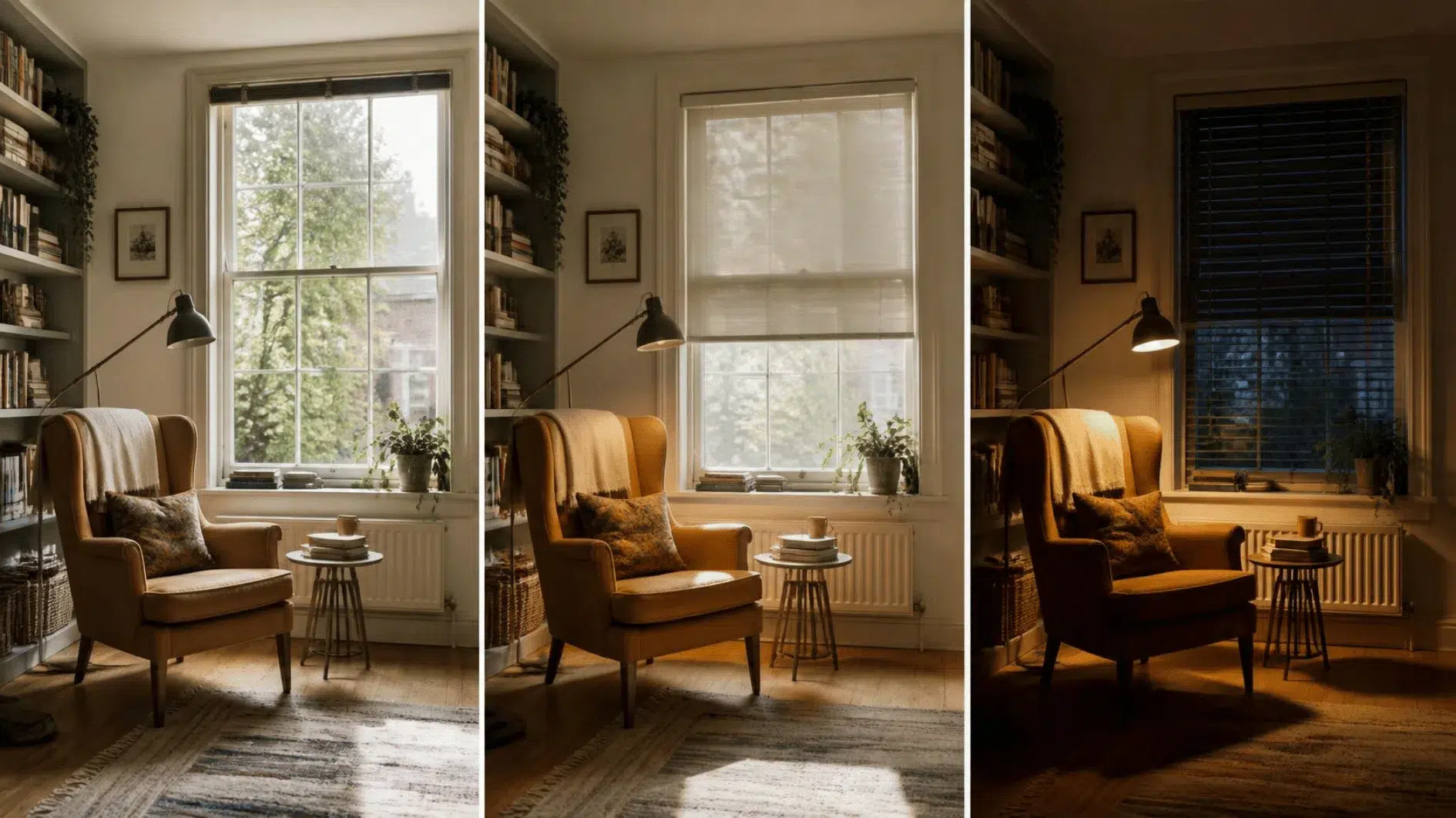
Different activities require different light levels, and people may have different preferences. A practical room can offer a suitable task lamp alongside ambient lighting, allowing one area to be brighter without forcing the whole room to match.
Try positioning an existing lamp or adjusting a blind before installing new controls. Choose sufficient illumination for stairs, cooking, reading and any other safety-critical activity.
The goal is usable choice, not a blanket instruction to make every space dim. Individual visual access and comfort are more important than a particular mood.
Reduce Glare From Windows, Screens and Lamps
Light reflected from a screen, glossy surface or window can be uncomfortable. Check the view from the chair or desk where the problem occurs rather than guessing from the room’s overall brightness.
A blind, curtain, altered screen angle or repositioned lamp may reduce direct glare. Do not compromise a person’s ability to see their work or move safely by darkening the whole room.
For practical layers and fittings, see our lighting for a sitting room guide and smart lighting for compatible adjustable controls.
Consider Flicker and Unsuitable Light Sources
Some people notice or dislike visible flicker, harsh contrasts or rapidly changing light effects. The response can depend on the light source and individual experience.
When a lamp behaves abnormally, check the manufacturer’s guidance and electrical compatibility; a faulty fitting may need a qualified professional. Avoid makeshift electrical modifications.
Choose stable, appropriately specified lighting where that suits occupants. There is no need to buy a full smart-lighting system merely to create a simpler light setting.
Make Daylight Adjustable Rather Than Eliminating It
Daylight changes throughout the day and across seasons. A room may be comfortable in the morning but produce glare at a desk or sofa later on.
Window coverings can provide flexibility, provided they are safe, suitably fitted and allow the ventilation, privacy and daylight the household needs. Consider access to cords and mechanisms around children.
The aim is to offer a choice of conditions rather than making natural light an all-or-nothing feature.
Keep Evening and Night-time Movement Safe
Low lighting can feel comfortable for some evening activities, but routes to bathrooms, stairs and entrances still need to be safely visible. A dim room should not make routine movement difficult.
Where appropriate, a suitably placed night light or convenient switch may help people find their way without harsh glare. Choose equipment and brightness according to the actual occupants’ needs.
Do not sacrifice fall prevention, orientation or emergency access for a softer photographic appearance.
Identify Which Sounds Matter Most
A sensory-friendly approach to sound begins with specific sources: a humming refrigerator, unexpected door slam, nearby traffic, conversations or the echo of a large room. Each calls for a different practical response.
Some sounds are unavoidable or useful, including alarms, communication and necessary household activity. The goal should not be total silence or denying other household members normal use of shared spaces.
Our how to reduce noise at home guide
Use Soft Furnishings for Room Echo Where Appropriate
Rugs, curtains and upholstery can affect sound reflections inside a room. Their performance depends on the fabric, surface area, placement and frequency of sound, so they should not be described as a guaranteed soundproofing solution.
A soft furnishing is worthwhile when it also fits the household’s comfort, cleaning and safety needs. A slippery rug or heavy curtain installed on unsuitable fixings creates other problems.
For persistent incoming noise, an appropriate building assessment may be more relevant than adding textiles.
Plan for Noisy Tasks and Unexpected Sounds
Some household sounds can be anticipated: vacuuming, washing machines, deliveries or a kitchen extractor. Where practical, let occupants know before a loud task starts or agree on suitable times.
Do not make routine communication or household care unnecessarily restrictive. An arrangement should respect both the person affected by noise and those who need to complete normal activities.
Unexpectedly loud, rattling or unusual equipment may require maintenance or qualified repair. Do not disable safety systems to make an appliance quieter.
Offer a Flexible Place to Step Away
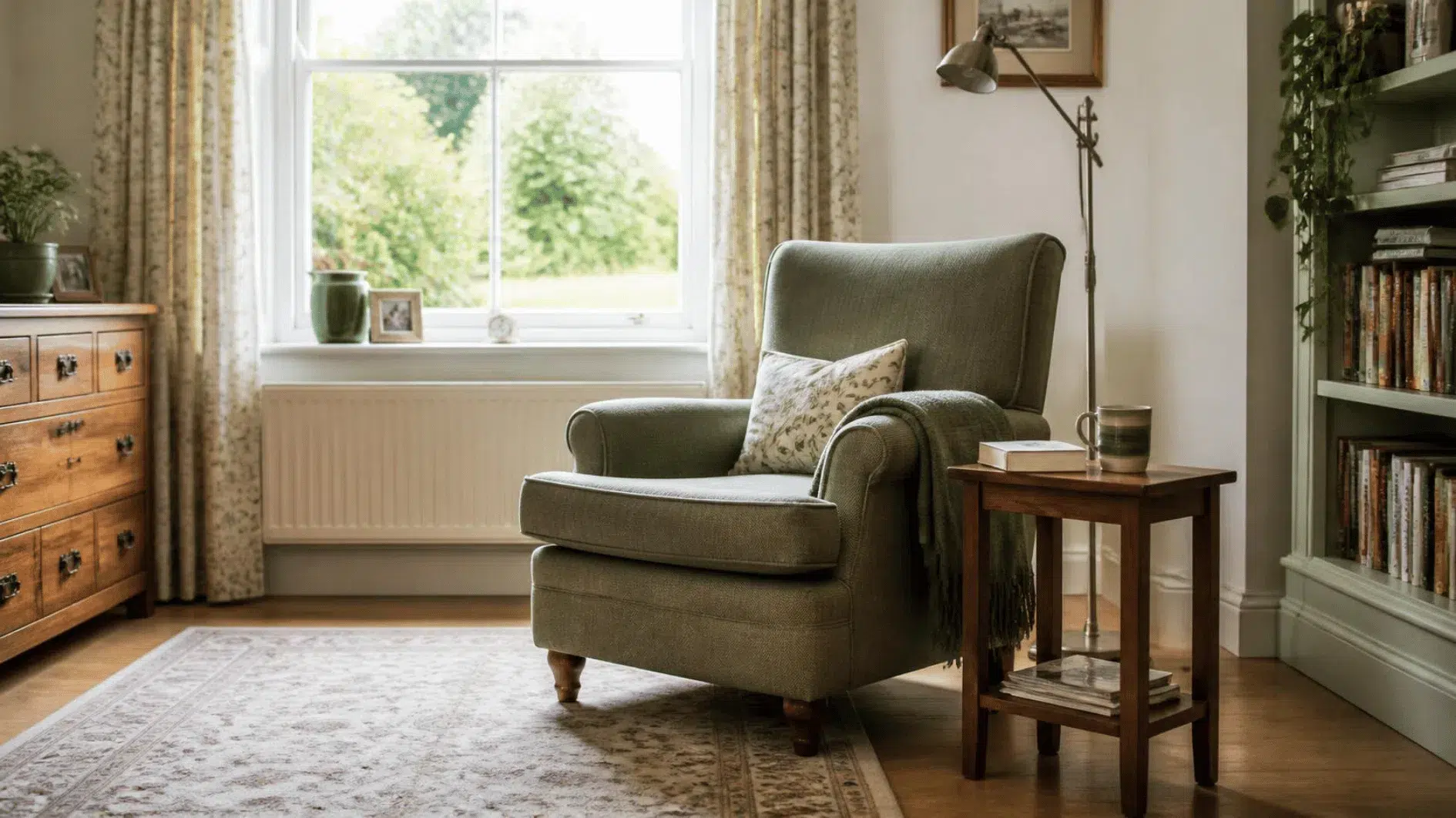
Some people value a place with fewer interruptions. This need not be a dedicated sensory room: a familiar chair, a quieter corner or another available space may serve when it is comfortable and accessible.
Let the person using it choose whether to spend time there. Avoid making retreat compulsory, isolating someone as a response to ordinary behaviour or blocking supervision when care responsibilities apply.
Keep routes clear, maintain suitable ventilation and lighting, and respect privacy while meeting household safety needs.
Choose Textiles by Actual Feel and Ease of Care

The feel of a sofa cover, cushion, throw or rug may matter as much as its colour. Some people prefer smooth cotton, others appreciate pronounced wool or linen texture, and others may not like particular fibres against the skin.
Where possible, assess a fabric sample or the actual finished item. Check durability, seams, washing and care rather than assuming a natural material is comfortable for everyone.
Our wool home decor and linen home decor guides explain fibre construction and maintenance without claiming universal comfort.
Choose Seating That Supports the Actual User
Chair height, seat depth, back support, armrests and the stability of the frame affect how a seat can be used. A particularly soft chair is not necessarily comfortable or accessible for everyone.
Ask the intended user about their preferences and any practical difficulties with sitting or standing. Avoid an upholstered arrangement that obstructs mobility aids or makes movement harder.
Follow product dimensions, stated load limits and suitable professional guidance where seating is part of an accessibility or care plan.
Floor Coverings Should Feel and Function Appropriately
A hard floor, flat rug or thick woven carpet can create different tactile and acoustic experiences. Consider comfort underfoot alongside cleaning, moisture, safe grip and the needs of pets or household members.
Do not place loose rugs where they can curl, slide or create trips. An underlay must be compatible with the rug and floor, and covering a floor is optional.
Our jute rugs guide
Manage Visual Busyness Without Hiding Useful Objects
Visible objects can be distracting for some people and helpful orientation cues for others. A clear work surface may make it easier to focus on a task, while an open shelf can help someone remember where supplies are kept.
Group related items and preserve places for useful belongings instead of hiding everything in cupboards. Keep personal photographs, favourite colours and familiar objects where occupants want them.
Colour and Contrast Can Support Different Preferences
There is no universally sensory-friendly paint colour. A muted wall may be comfortable for one person, while another needs clearer contrast between furnishings, switches or storage areas.
Consider the existing materials and how daylight changes the appearance of colours. Keep important visual cues legible and do not use low contrast where it hinders navigation.
For testing undertones and colours at home, consult our warm neutral colours guide. Repainting is not a prerequisite for a supportive environment.
Keep Fragrance and Air Quality Separate
Fragrance preferences vary widely. Scented candles, essential oils, diffusers and strongly perfumed cleaning products may be unsuitable or unwelcome for some occupants and animals.
Do not introduce fragrance to make a room more sensory-friendly. Good ventilation, appropriate cleaning and the removal of actual odour sources are separate practical issues.
Keep necessary ventilation functioning. If air quality, mould, a leak or an unfamiliar odour is a concern, address its source appropriately rather than covering it with scent.
Consider Temperature, Airflow and Personal Comfort
Hot, cold or draughty rooms may be uncomfortable regardless of their appearance. Check practical factors such as seating position near an open window, radiator access and suitable use of curtains or shades.
Do not cover heating equipment, obstruct air vents or use unsafe heaters to create a preferred temperature. Household systems and building conditions may need maintenance.
A flexible seating arrangement can sometimes give people a choice of warmer and cooler positions, depending on the room and their individual needs.
Keep Routes and Commonly Used Objects Predictable
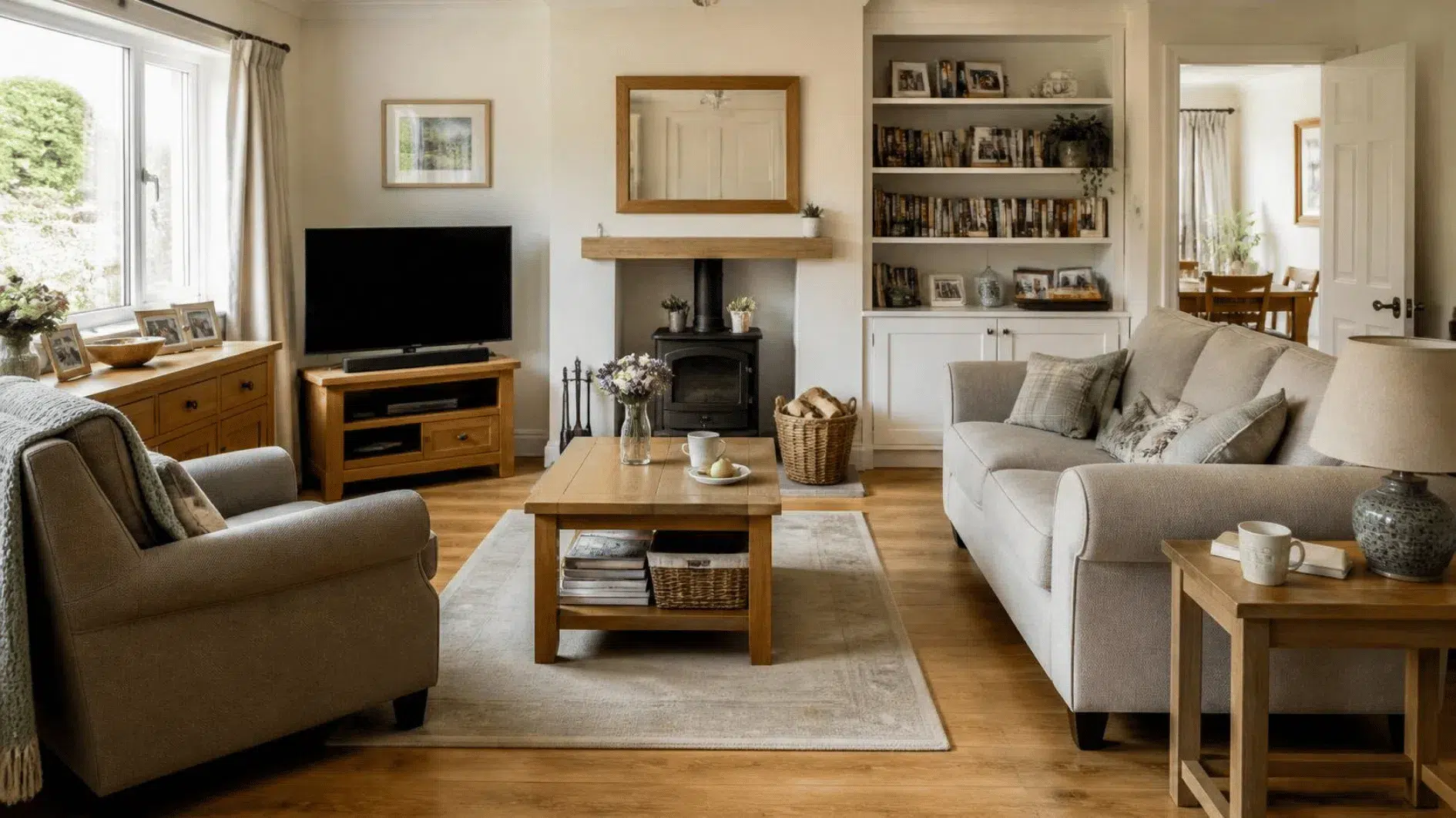
Consistent placement can make a room easier to use: keys remain in one area, a reading lamp is accessible and walking routes remain unobstructed. These are household-function decisions rather than specialised exercises.
Before moving important objects or furniture, consider whether the change will affect someone’s independence, memory cues or safe navigation. Ask first and explain changes when appropriate.
Avoid placing decorations, bins or loose cables where they narrow routes or create unexpected obstacles.
Make Storage Accessible Rather Than Merely Concealed
Closed cabinets can reduce visible detail but also make objects harder to find. Open baskets, clearly positioned shelves or consistent storage locations may be more useful for particular people.
Choose heights, handles and mechanisms that occupants can operate safely. Do not rely on heavy drawers, unstable stacks or high shelves for frequently used essentials.
For general systems, see home organisation ideas. The right solution is whichever improves everyday access.
Sensory-Friendly Ideas for a Shared Living Room
A sitting room might benefit from a reading lamp beside one chair, suitable window shading at another seat and accessible storage for media equipment. Different areas can accommodate different preferences.
Discuss how the room is used during television, conversations, play and quiet activities. Not every activity needs a separate room, and no single sound or lighting setting will suit everyone all day.
Keep electrical equipment safely ventilated, seating stable and circulation clear.
Consider Individual Bedroom Preferences
Bedrooms may offer more personal control than shared areas, but the occupants’ needs still differ. Light, bedding texture, external noise and access to necessary items can all influence practical comfort.
Ask whether a particular problem matters before changing bedding or lighting. A blackout covering may suit some people but need safe installation and should not compromise necessary ventilation.
Sensory Considerations in Kitchens and Dining Areas
Kitchens contain necessary sounds, smells, lighting and equipment. A quieter dining corner or place away from the extractor might be useful for some occupants, provided safe supervision and movement are maintained.
Food hygiene, heat, sharp tools, ventilation and safe cooking procedures always take priority. Do not disable a working extractor, suppress safety alarms or move hazardous equipment simply to reduce sensory input.
A practical adjustment might be choosing a seat, organising safe storage or preparing for a noisy appliance cycle rather than changing the kitchen’s essential systems.
Make a Home-Working Area More Adjustable
At a desk, screen glare, nearby sound, seating, background objects and comfortable lighting may all affect usability. Begin by adjusting the immediate workspace rather than altering an entire shared room.
Keep required equipment and accessible tools within easy reach. Follow ergonomic and workplace safety guidance, and take adequate real breaks rather than expecting interior changes to resolve an excessive workload.
Use headphones or other devices only where appropriate and compatible with situational awareness, communication and individual comfort.
Consider Children and Family Needs Without Prescribing Sensory Exercises
Children may express preferences about fabrics, light, sounds or the arrangement of their belongings. Listen to their specific experiences and involve them in age-appropriate choices when possible.
Keep rooms safe for play and supervision. Small objects, unsecured furniture, curtain cords, hot lamps and electrical items can create hazards. Do not require a child to use a quiet corner or sensory product as punishment or as a condition of compliance.
For specialist developmental or health needs, seek advice from appropriate qualified professionals and follow the child’s existing support arrangements.
Agree on Choices in Shared and Multigenerational Homes
A shared household may include people with different mobility, visual, auditory and sensory preferences. The most useful design approach allows negotiation instead of assuming one person’s preferred setting should govern every space.
Choose flexible tools where possible: individual task lamps, distinct seating areas and reliable accessible storage. Explain changes before moving furniture or important possessions.
Privacy, communication and care responsibilities remain central. A sensory-friendly home is not one where ordinary family life must stop.
Try Renter-Friendly Sensory Adjustments
In a rented home, movable lamps, furniture placement, appropriate rugs and existing window coverings may offer flexibility. Check the tenancy conditions before drilling, replacing fittings or making structural changes.
Never interfere with fire doors, required ventilation, heating safety or electrical wiring. Complex noise or building issues may be the responsibility of the landlord or managing agent.
Reversible experiments help you learn what works before investing in products or seeking permission for permanent changes.
Sensory-Friendly Home Changes at a Glance
| Everyday situation | Possible option | Practical check |
|---|---|---|
| Glare at a desk | Change blind, lamp or screen position | Keep sufficient safe task lighting |
| Room echoes | Review compatible existing soft furnishings | Do not expect full soundproofing |
| Distracting tabletop | Group useful items at their point of use | Preserve visibility for those who need it |
| Uncomfortable sofa texture | Try a suitable fabric or cover sample | Check cleaning, skin comfort and fit |
| Scented products cause discomfort | Avoid adding unnecessary fragrance | Maintain suitable ventilation |
| Shared room has conflicting preferences | Use separate lamps or seating zones | Agree on practical household use |
| Hallway is hard to navigate | Keep a consistent, clear route | Maintain accessibility and exit safety |
These are examples rather than universal prescriptions. The person using the space should determine whether an adjustment is helpful.
Common Mistakes With Sensory-Friendly Interior Ideas
- Assuming one design suits everyone. Individual preferences and needs differ.
- Making every room dim or silent. Task lighting, communication and alarms are important.
- Blocking ventilation or fire-safety features. Building safety cannot be traded away.
- Hiding all belongings. Visibility can support access and orientation.
- Buying sensory-labelled products without a reason. Test simpler existing options first.
- Using fragrance as a requirement. Strong scents may be unsuitable.
- Ignoring mobility or ergonomic needs. Physical access is essential.
- Presenting decoration as treatment. Professional support is separate from design choices.
A Practical Sensory-Friendly Home Checklist
- Ask occupants about specific preferences rather than assuming them.
- Identify one source of discomfort or difficulty at a time.
- Consider lighting, glare, sound, textures, scent and movement.
- Keep safety alarms, ventilation and sufficient visibility intact.
- Provide options where household preferences differ.
- Choose seating and materials for comfort, access and maintainability.
- Make frequently used objects reliably accessible.
- Preserve clear routes, suitable furniture stability and electrical safety.
- Test reversible adjustments before major purchasing or alterations.
- Seek qualified guidance where specialist health, accessibility or building issues arise.
Frequently Asked Questions About Sensory-Friendly Homes
What is a sensory-friendly home?
It is a home arranged to suit the actual sensory preferences and practical needs of its occupants, including choices about sound, light, textures, access and layout. There is no single required aesthetic.
Do sensory-friendly rooms have to be quiet and beige?
No. Some people benefit from more visual contrast or familiar background sounds. Individual needs matter more than decorative rules.
How can I make a rented home more sensory-friendly?
Try reversible furniture arrangements, existing blinds, practical lamps and accessible storage while checking tenancy and safety requirements.
Do I need special sensory products?
Not necessarily. Many useful changes involve existing furnishings and practical adjustments rather than purchasing specialised equipment.
Can a sensory-friendly room replace professional support?
No. Interior choices can support daily comfort but do not diagnose or treat health conditions. Specialist needs should be considered with qualified professionals.
How do I balance different household preferences?
Ask what each person needs, offer adjustable lighting or distinct functional areas where possible, and keep shared safety and practical responsibilities in view.
Make the Home Responsive to the People Who Use It
A sensory-friendly home begins with observation and choice, not a shopping list or prescribed colour scheme. A more comfortable lamp position, quieter appliance, familiar storage location or accessible seat can make a practical difference to an everyday activity.
Choose flexible changes that respect individual preferences and the realities of a shared British home. Keep safety and access central, ask for appropriate professional guidance when needed, and let the room adapt to its occupants rather than the reverse.

Leave a Reply